

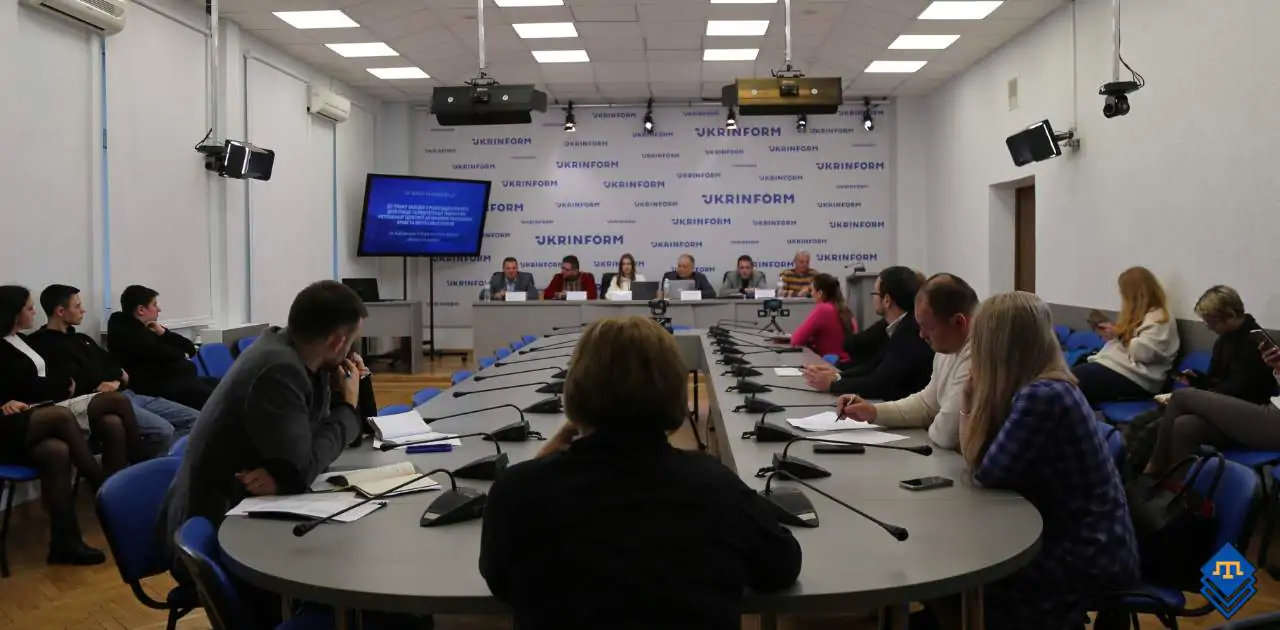
On Thursday, November 23, experts of the II Strategic Forum The Future of Crimea, which was organized by the Crimean Tatar Resource Center with the support of the “Friedrich Naumann Foundation for Freedom” in Ukraine, presented recommendations on the Action Plan for the implementation of the Strategy for the deoccupation and reintegration of the temporarily occupied territory of the Autonomous Republic of Crimea and the city of Sevastopol.
The speakers were:
- Eskender Bariiev – Head of the Board of the Crimean Tatar Resource Center, member of Mejlis of the Crimean Tatar people;
- Yevhen Khlobystov – Professor, Doctor of Economics, member of the expert council of the CTRC for environmental protection and sustainable development of Crimea, coordinator of the working group Ecology and Economics EM KP;
- Borys Babin – Professor, doctor of legal sciences, lawyer of the Crimean Tatar Resource Center;
- Kostiantyn Zakharenko – Professor of the Department of Political Psychology and International Relations of the Mykhailo Drahomanov Ukrainian State University, Doctor of Pedagogical Sciences, lawyer;
- Volodymyr Liashenko – Representative of the National Council of Ukraine on Television and Radio Broadcasting in the Autonomous Republic of Crimea and the city of Sevastopol.
- Moderator: Tetiana Savchuk – Communications manager of the Crimean Tatar Resource Center.
Tetiana Savchuk noted that the CTRC team directs all its efforts not only to the de-occupation of Crimea, but also to its reintegration. Thus, from March 3 to 7, the Crimean Tatar Resource Center, with the support of the “Friedrich Naumann Foundation for Freedom” in Ukraine, held the First Strategic Forum The Future of Crimea, after which recommendations for the reintegration of Crimea in various areas were presented. And from October 31 to November 5, the II Strategic Forum “The Future of Crimea” was held.
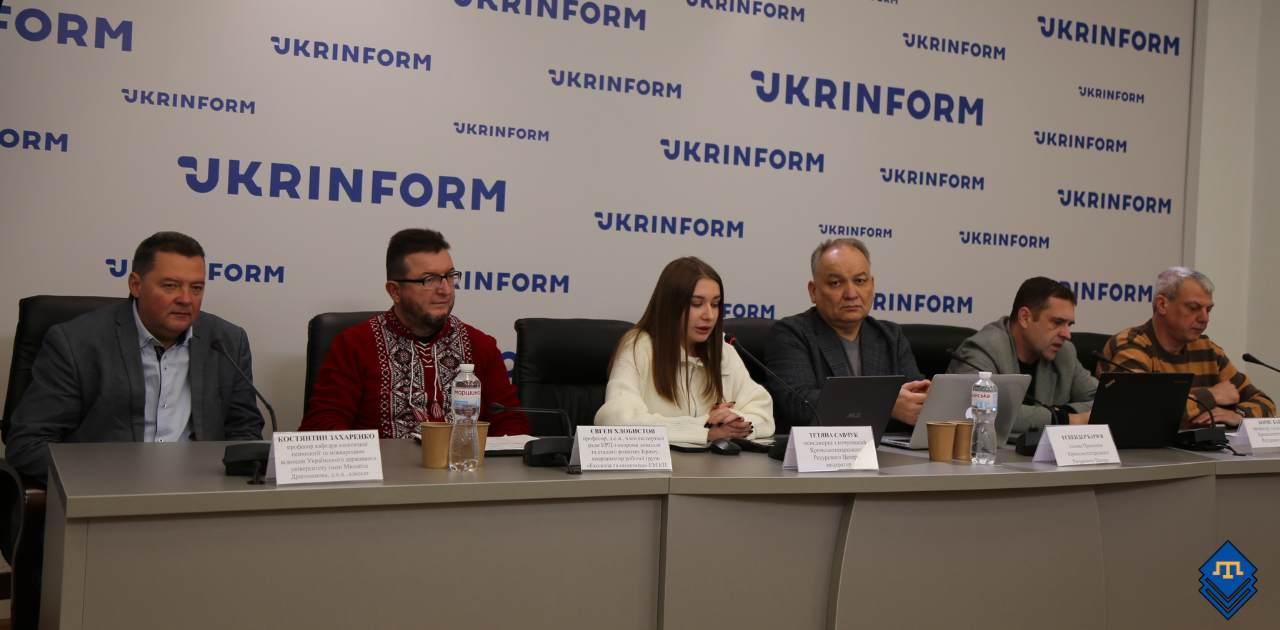
“During the event, 20 experienced experts analyzed in detail the development of Ukrainian legislation on the reintegration of Crimea in 2023. During the press conference, the speakers will present recommendations for the Action Plan for the implementation of the Strategy for de-occupation and reintegration of the temporarily occupied territory of the Autonomous Republic of Crimea and the city of Sevastopol”,- she explained.
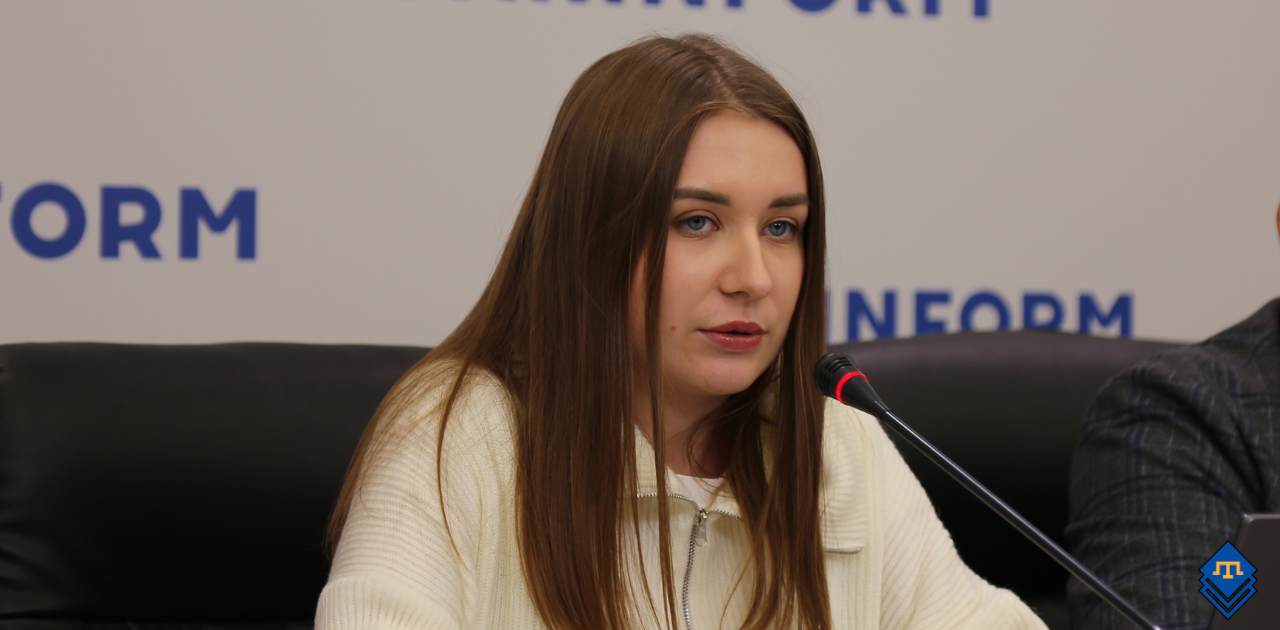
Chairman of the Board of the Crimean Tatar Resource Center Eskender Bariiev spoke about the recommendations for the reintegration of Crimea, which were developed at the First Strategic Forum.
“These recommendations concern 10 areas: public authority, criminal policy, civil policy, migration policy, social and humanitarian policy, information policy, environmental policy, justice policy, international policy and anti-corruption policy”,- he explained.
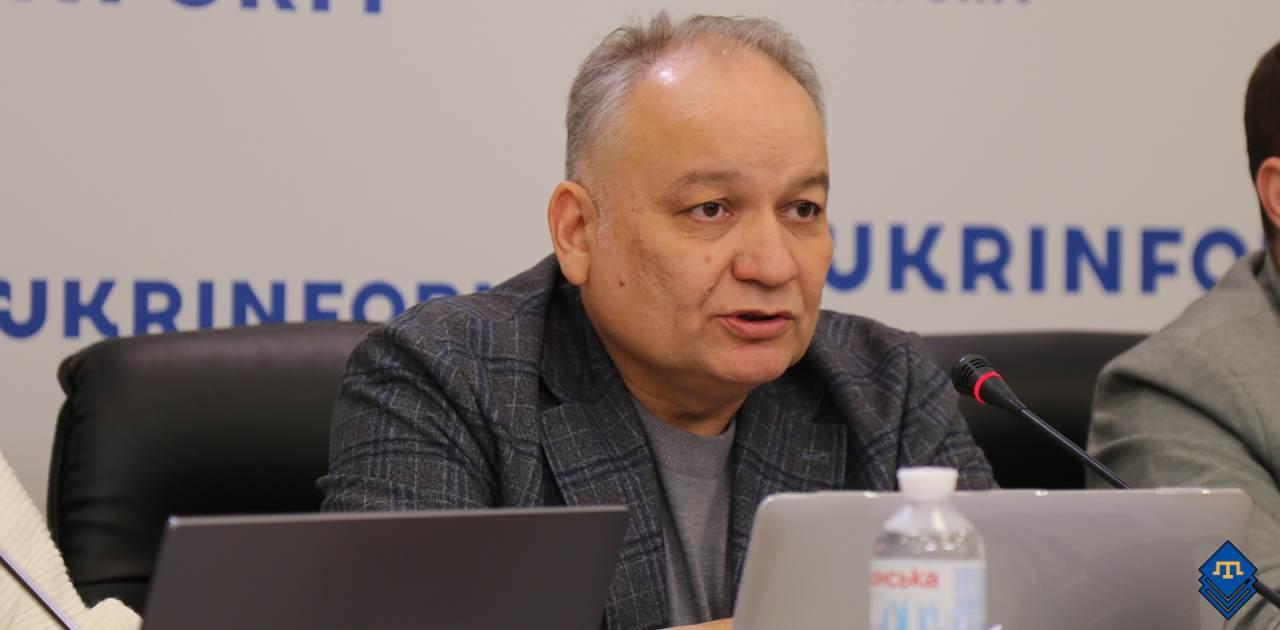
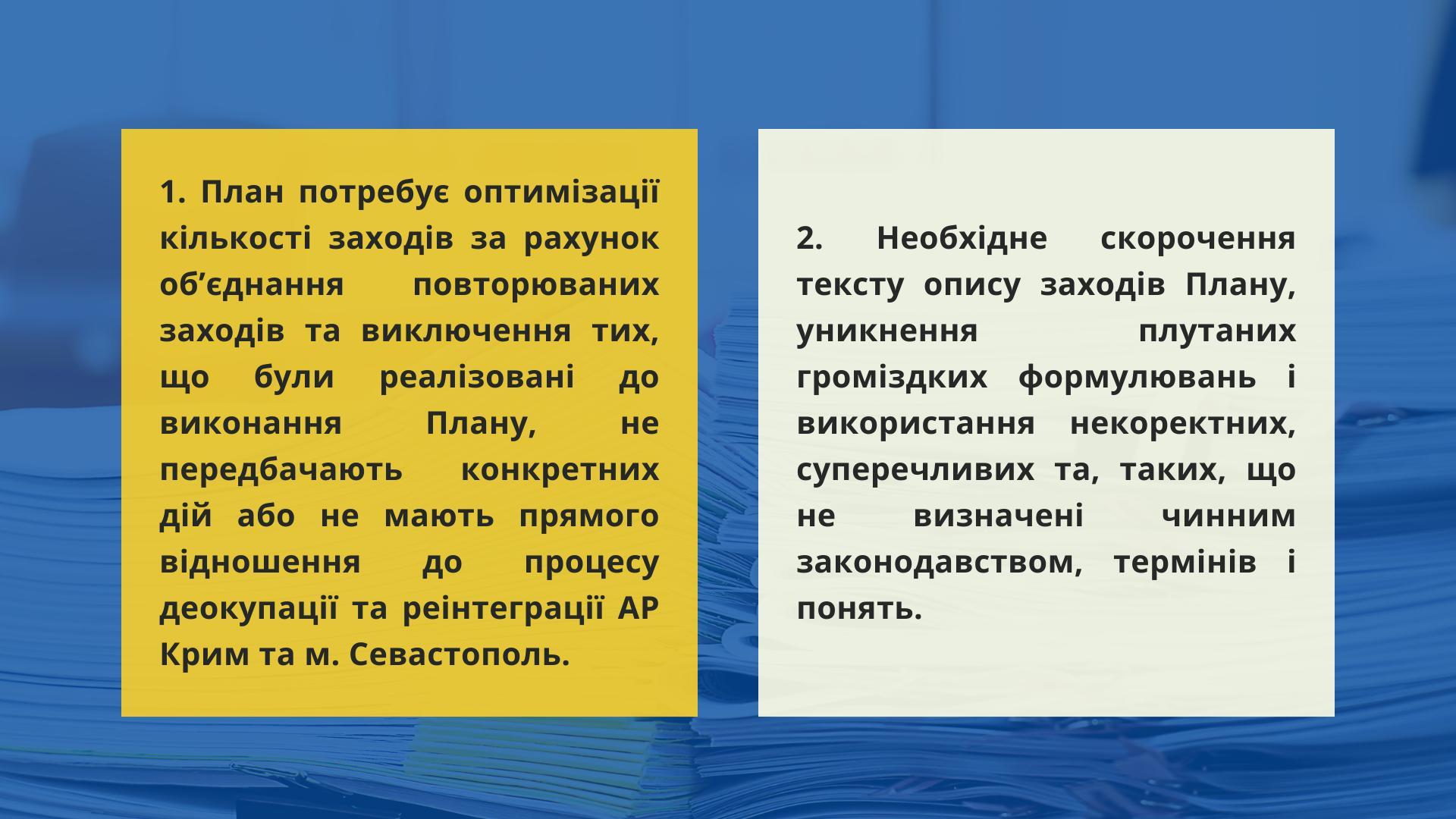
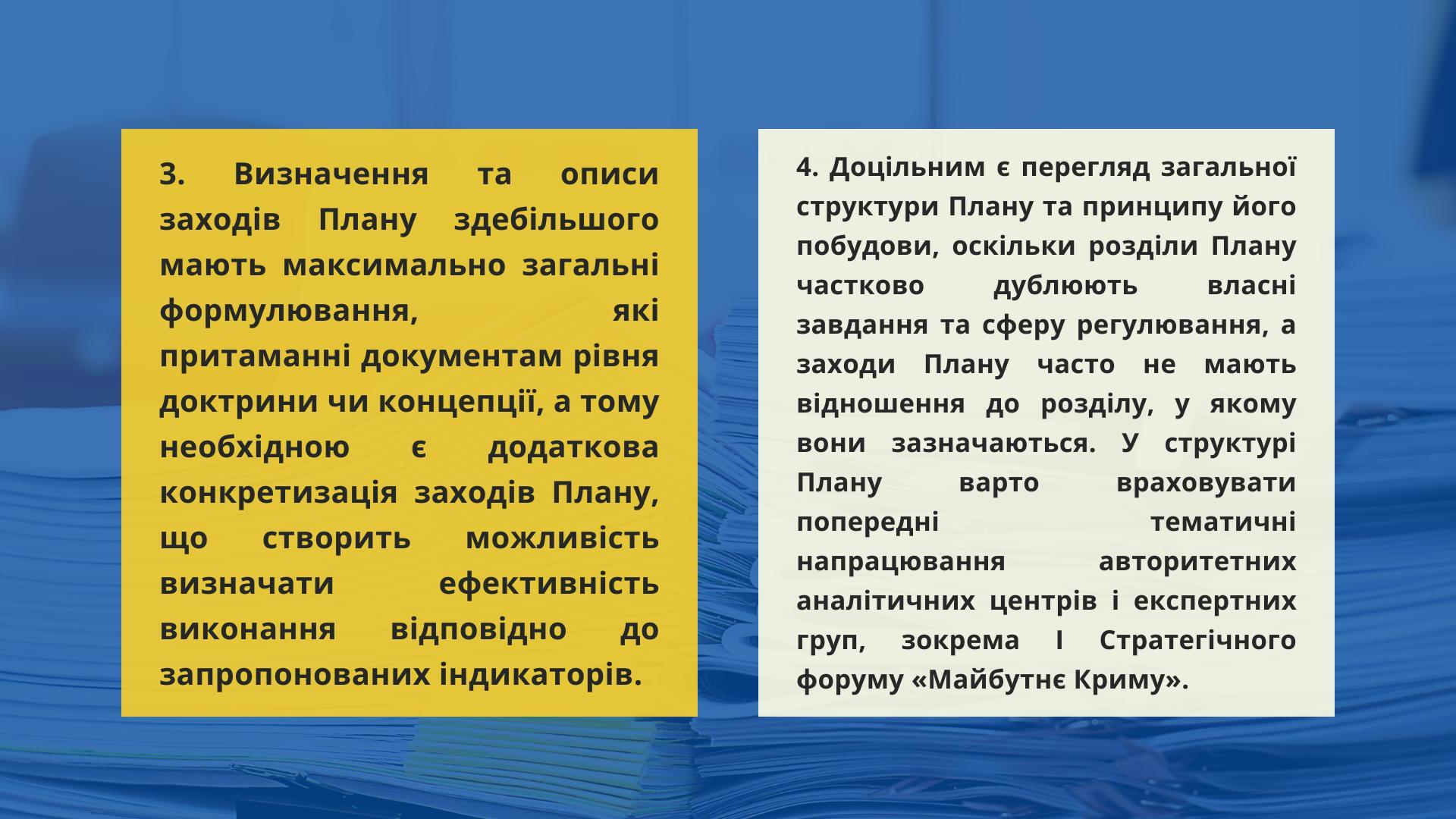
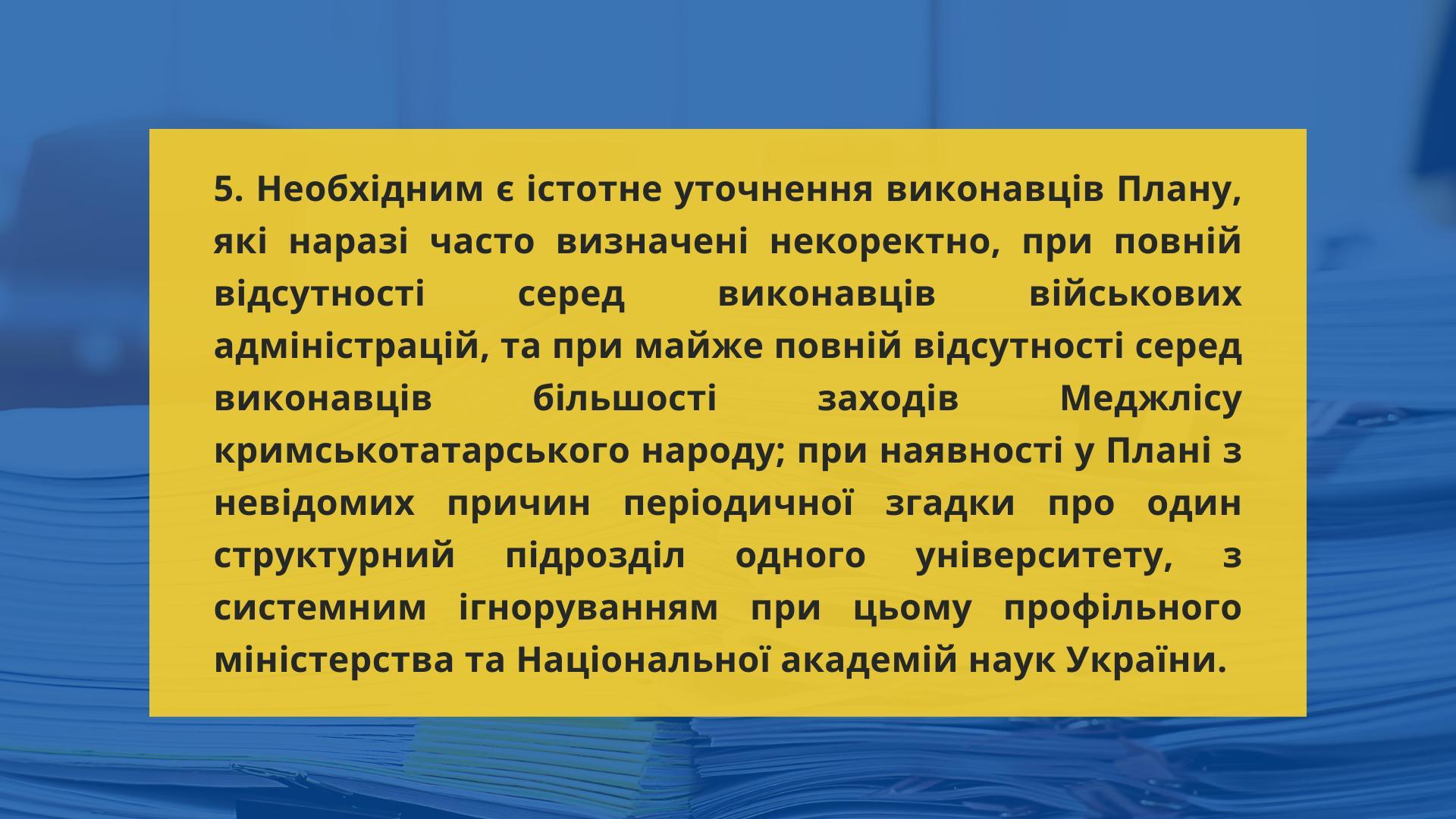
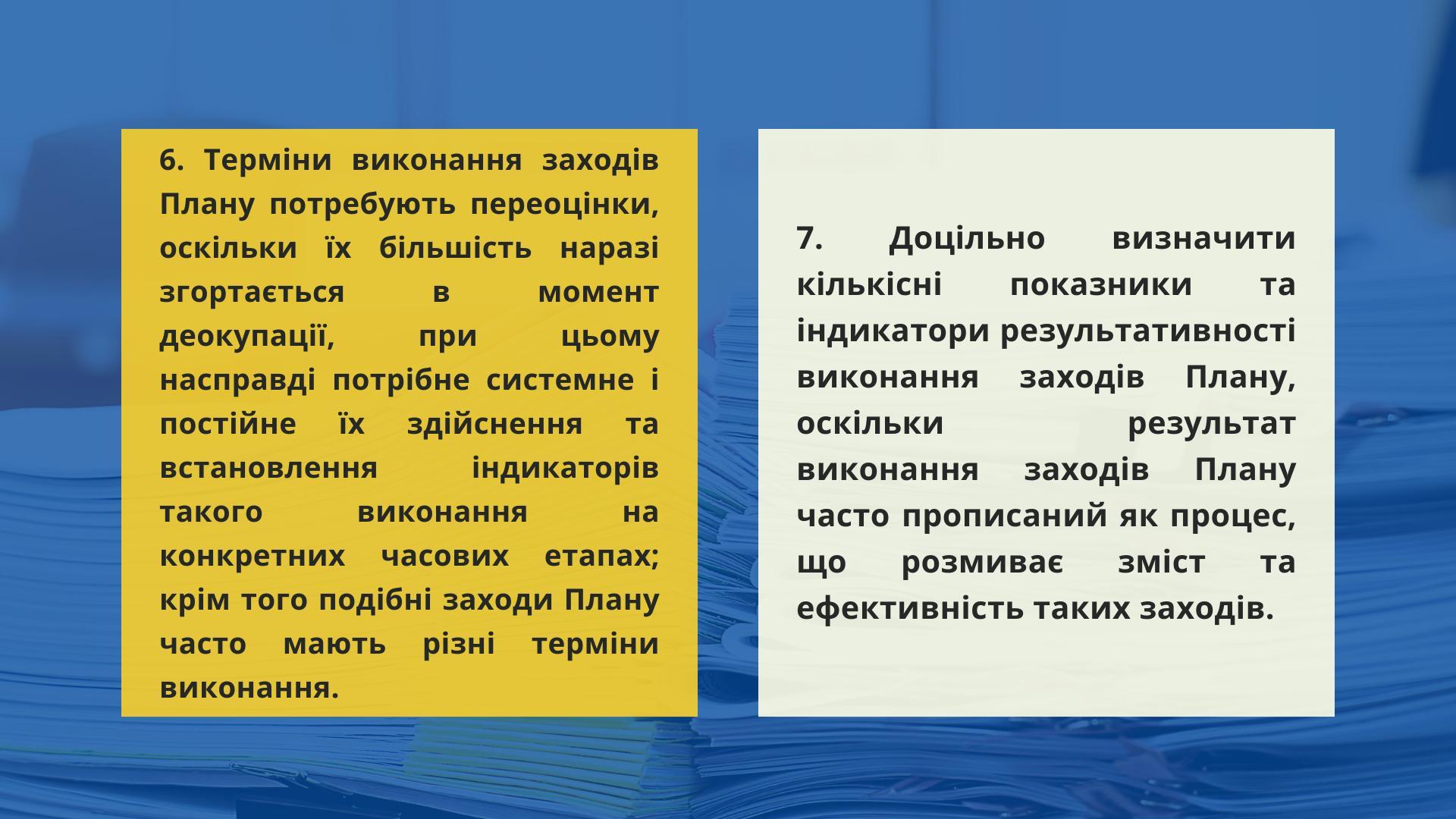
Bariiev noted that within the framework of the II Strategic Forum, experts focused on analyzing the Action Plan for the implementation of the Strategy for de-occupation and reintegration of the temporarily occupied territory of the Autonomous Republic of Crimea and the city of Sevastopol. During the event, he presented these recommendations:
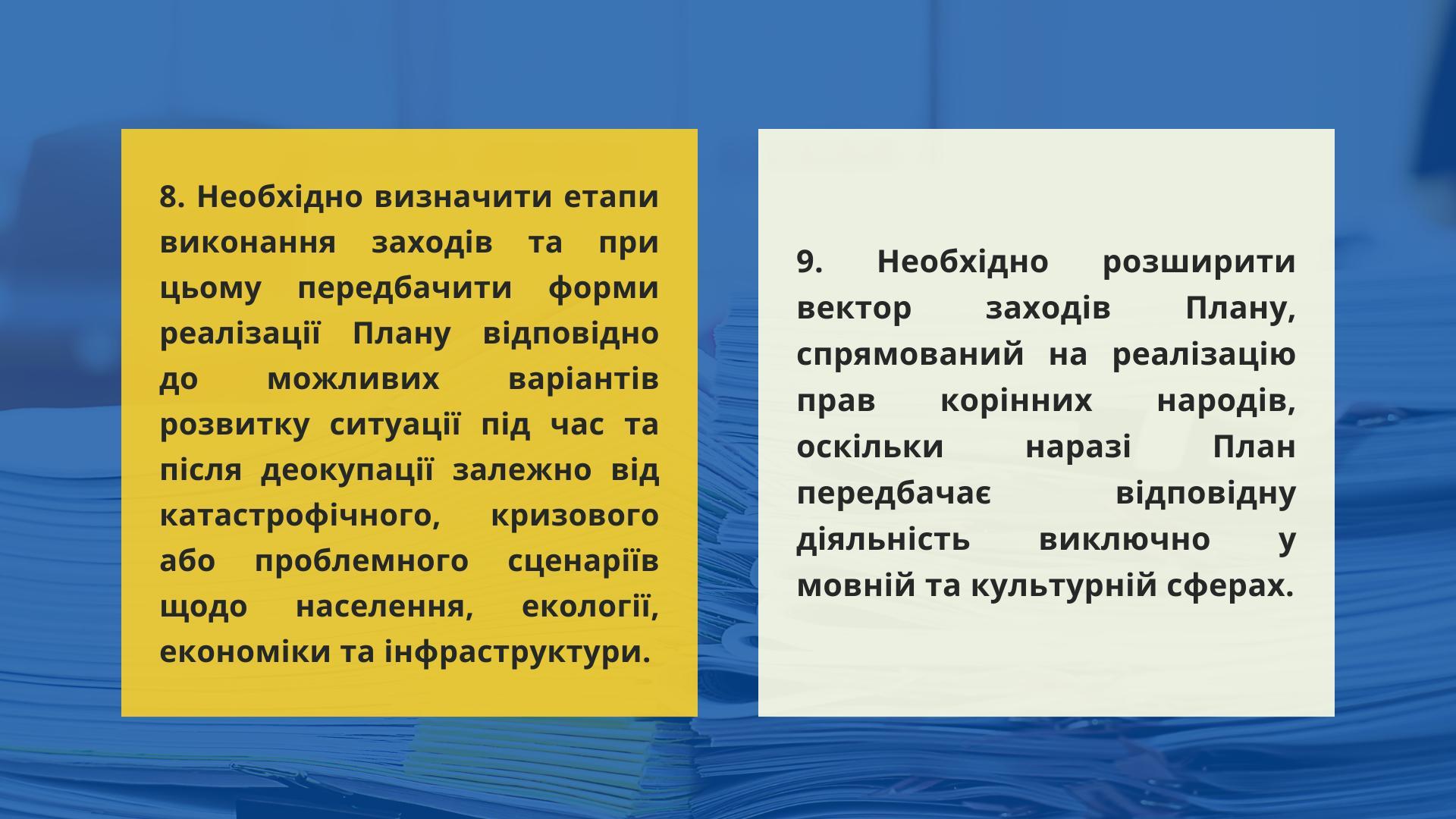
Yevhen Khlobystov commented on the environmental and economic policies that were described in the Action Plan and made his comments.
“In environmental policy, the basis of this plan is environmental monitoring using satellite imagery. The plan contains many abstract points that are easy to implement. Much of environmental policy is not directly related to it. It gravitates more towards issues of general security and international relations”,- he explained.
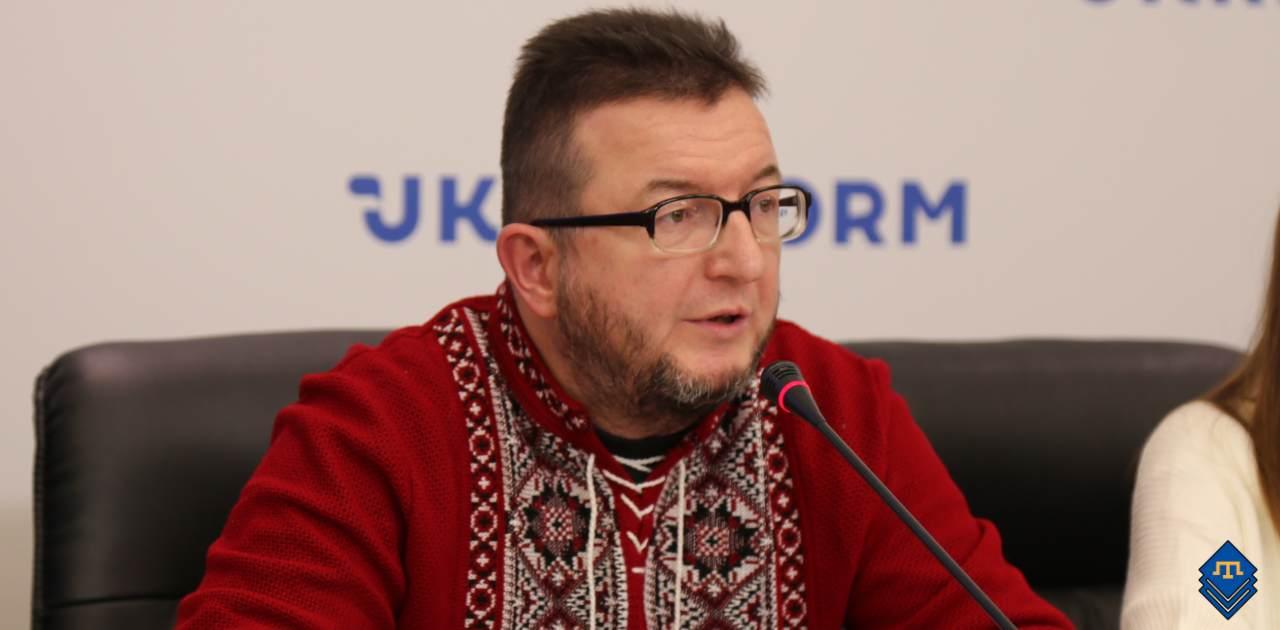
Yevhen, commenting on economic policy, noted that thanks to it we should see a real process of reintegration of Crimea.
“The first challenge for our state after de-occupation will be to ensure the economic development of the returned territories. This is precisely the question the plan cannot answer. The state must have a clearly formed vision of the economic development of Crimea. Also, this part of the plan contains issues that do not relate to economic and environmental policy at all,” – he added.
The expert emphasized that the issue of amnesty is urgent.
“According to the plan, it should be received by members of illegal armed groups who have not committed international crimes. This raises the question of what will happen to an ordinary person who committed petty theft during the period of occupation. Will he answer? At the same time, the person with the weapon who was going to kill the Ukrainians will not answer? A simple question arises: will we be able to investigate common criminal offenses that were committed on the peninsula. These issues must be resolved”,- he added.
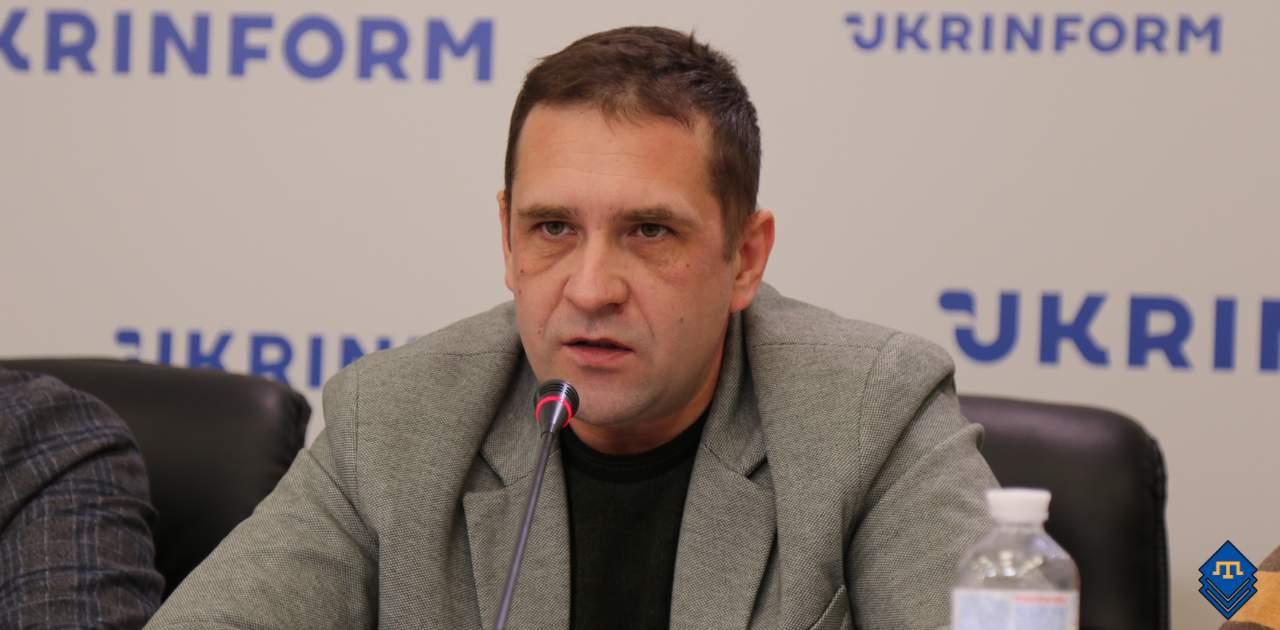
Volodymyr Liashenko elaborated on Information Policy.
“I would like to dwell on one point: paragraph seventy of the Strategy stipulates that Ukraine establishes and maintains feedback with Ukrainian citizens living in temporarily occupied territories, in particular using modern information technologies. In pursuance of this point of the strategy, there is only one point on the creation of feedback systems on the official websites of executive authorities, whose powers are the formation and implementation of state policy on the de-occupation and reintegration of temporarily occupied territories, the development and implementation of state social and humanitarian policies, state policy in the field of education and health. If we look at this plan, we will see that this connection should be organized only with the Ministry of Reintegration, the Ministry of Social Policy, the Ministry of Education and Sciences, the Ministry of Health and the Mission of the President of Ukraine in the Autonomous Republic of Crimea. But tell me, can we implement an information policy if we do not have feedback from Ukrainian citizens who are in the occupied territories? In my personal opinion, this is impossible. That’s why I think the plan needs to be redone”,- he explained.
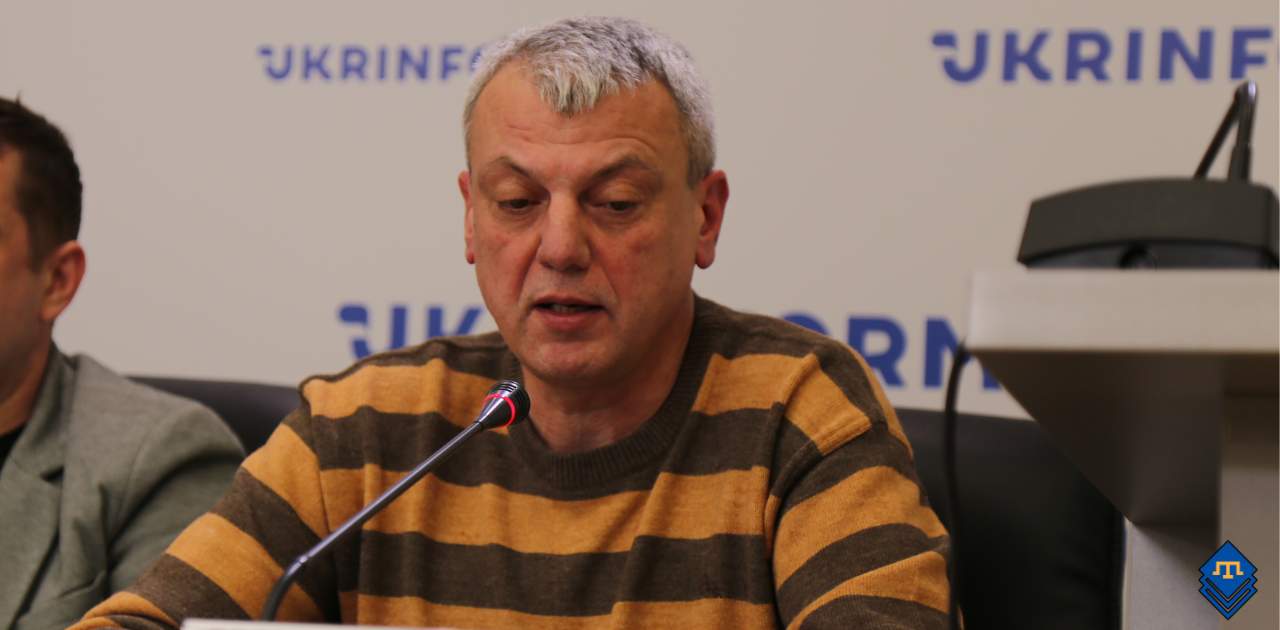
Kostiantyn Zakharenko generally noted that the appearance of such a document could lead to much more catastrophic consequences than if it had not existed at all, because we understand that not only citizens of Ukraine can read, but also citizens of the Russian Federation and our strategic partners in the West, and other interested parties.
“When reading such a document, one gets the impression that, of course, no one will de-occupy anything. A clear, understandable structure of causes and consequences, what exactly we want to achieve, how we will achieve this is absolutely not visible from this document”,- he explained.
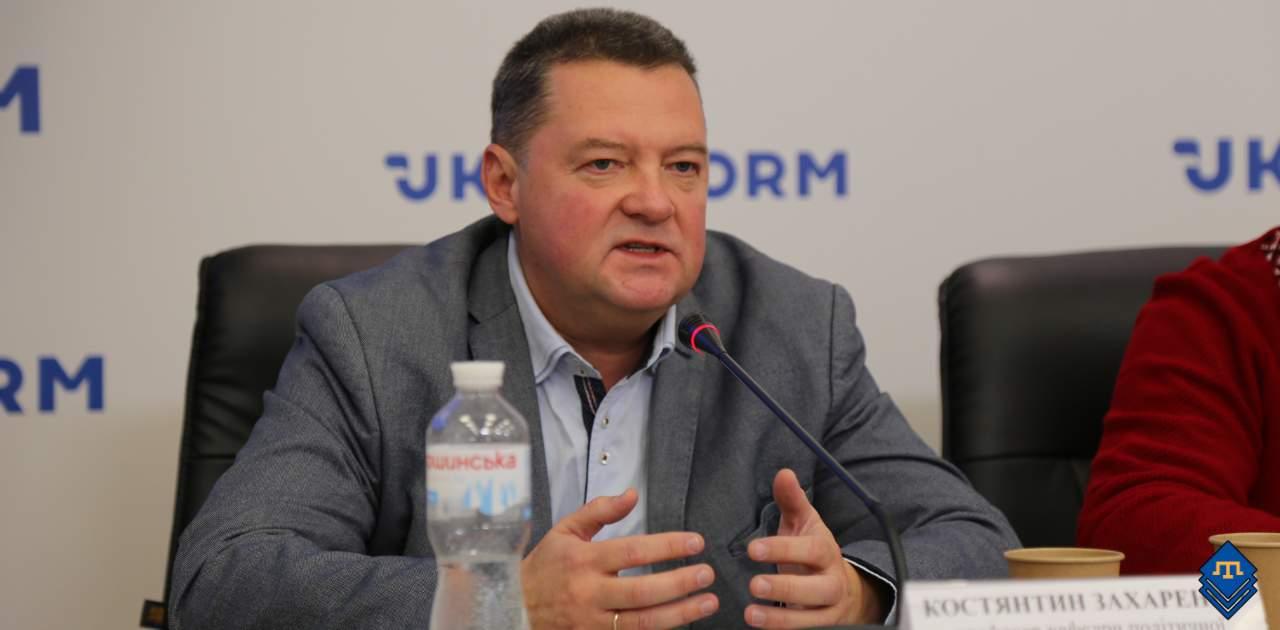
“We happily suggested at meetings with officials that we are ready to get involved: if we were at least given a draft of that plan for examination, I am sure that at least in a week it would be a radically different document that would really show our state’s attempts to win, de-occupy and then reintegrate Crimea. We appeal to the officials who hear this: we want to help, we have the opportunity to help”,- added Mr. Kostiantyn.