


On Wednesday, October 30, in Kyiv, at the House of Civil Society, the
Crimean Tatar Resource Center, together with experts from the Future
of Crimea Strategic Forum, held a presentation of draft policies of
the International Crimean Platform Expert Network for representatives
of the diplomatic corps in Ukraine and international organizations.
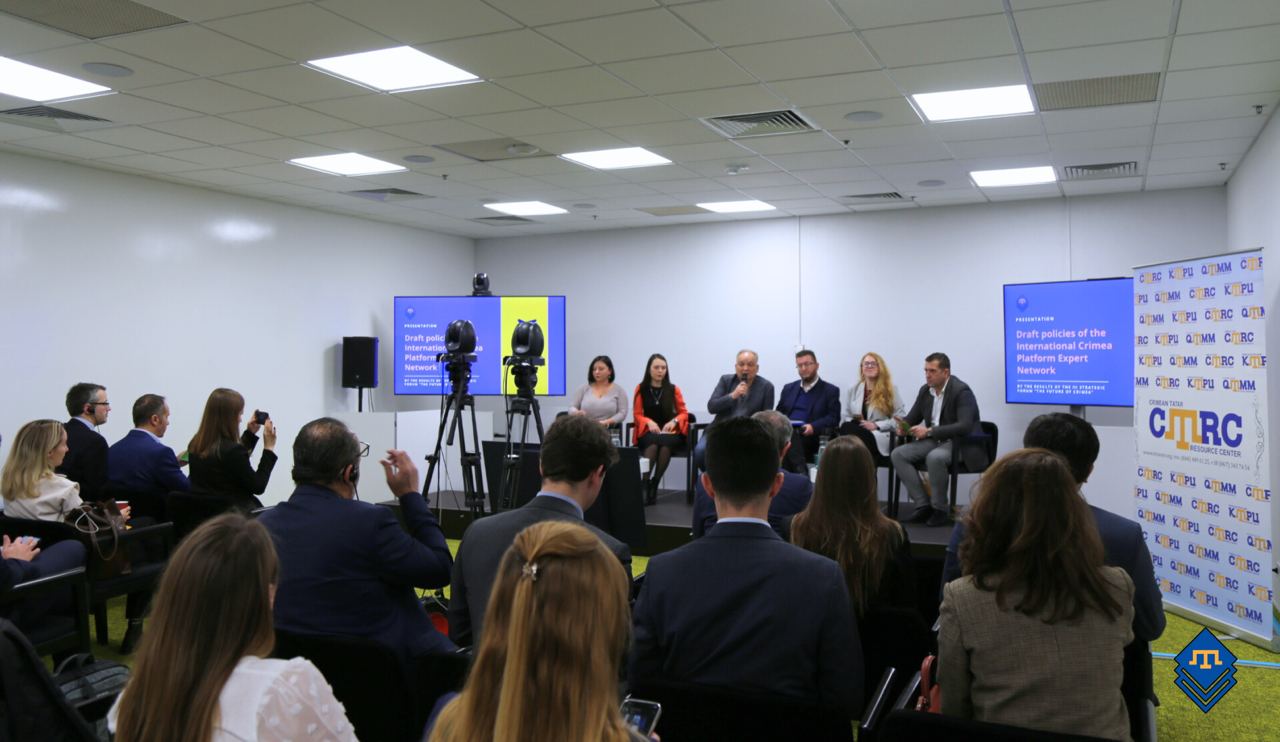
The presentation was attended by representatives of more than 20
embassies and international organizations, who were informed about the
draft policies:
Regulations of the International Crimea Platform Expert Network ;
Non-discrimination and equality policy;
Policy of the formation and planning of the cost of expert papers;
Expert paper reviewing policy;
Policy on Evaluating the Effectiveness of Expert papers;
Expert Engagement Policy.
More details about each of these documents were provided:
Eskender Bariiev – Chairman of the Board of the Crimean Tatar Resource
Center, member of the Mejlis of the Crimean Tatar People, coordinator
of the working group of the expert network of the Crimea Platform
“Restoration of the rights of indigenous peoples as a tool for
deoccupation of Crimea”;
Yevhen Khlobystov – Doctor of Economics, Professor, Dean of the
Faculty of Natural Sciences of the National University of Kyiv-Mohyla
Academy, Academician of the Academy of Economic Sciences of Ukraine,
member of the CTRC Expert Council on Environmental Protection and
Sustainable Development of Crimea, coordinator of the working group
“Ecology and Economy” of the International Expert Network of the
Crimea Platform;
Olha Volianiuk – PhD in Political Science, Associate Professor of
Political Science at the Drahomanov National Pedagogical University;
Borys Babin – Doctor of Law, Professor, Lawyer, Member of the Legal
Expert Council of the Crimean Tatar Resource Center;
Anastasia Antoniuk – PhD in Law, Associate Professor, Head of the
Department of Political and Legal Analysis of the Processes of
De-occupation and Reintegration of the Temporarily Occupied
Territories of the Research Center “O. Yaremenko Institute of Family
and Youth Policy” of the National Pedagogical Dragomanov University;
Liudmyla Korotkikh, lawyer of the Crimean Tatar Resource Center.
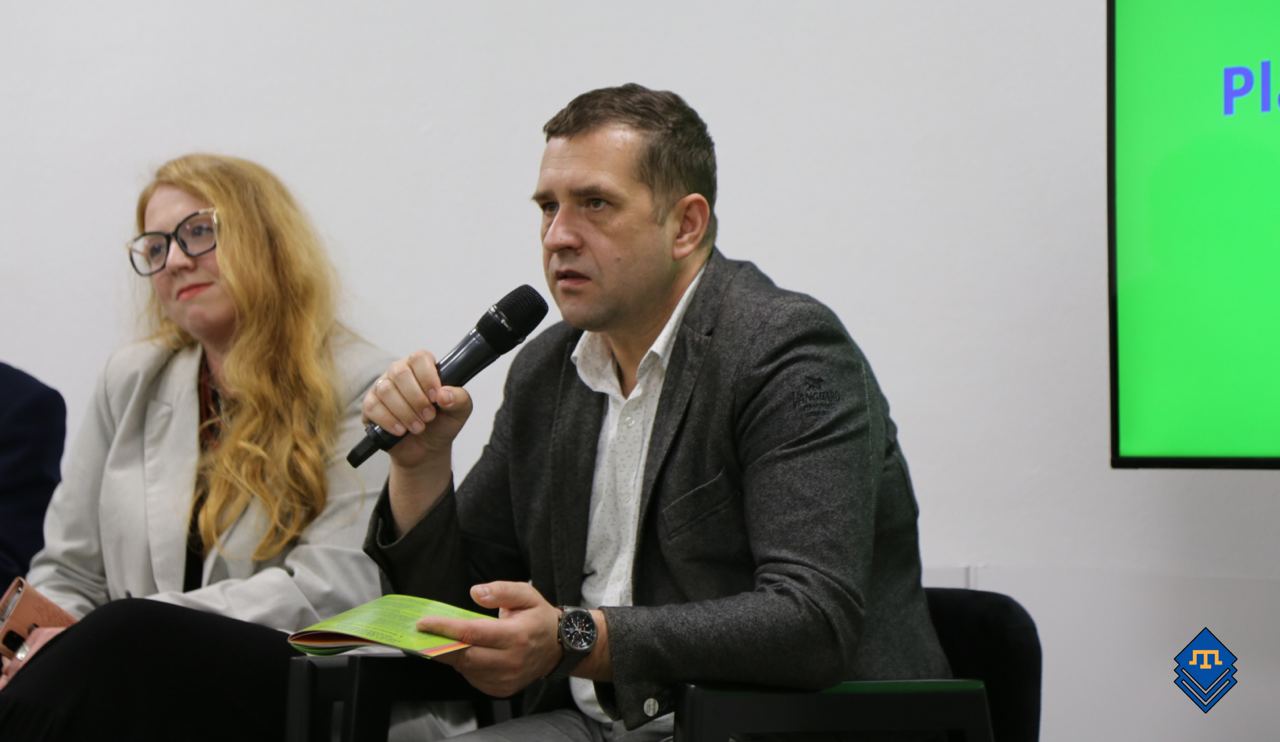
“It is very important for us that these initiatives that emerge in
Ukraine and the international platforms that Ukraine is trying to
create are more effective. In particular, the Crimea Platform is the
first international platform where other countries have joined efforts
with Ukraine to restore the territorial integrity of Ukraine and
deoccupy Crimea, so every new initiative, whether it is the Peace
Formula or the Victory Plan, should have a collegial position. And for
this purpose, it is necessary that the International Crimea Platform
be institutionalized, conduct systematic work, have a strategy and
action plan for the deoccupation of Crimea and its reintegration. Now
we, from the Strategic Forum “The Future of Crimea”, want to present
the policies of the Expert Network of the International Crimea
Platform to make it clear that such platforms as the Crimea Platform
will have results only when the Crimea Platform itself has a
sustainable development. The role of the Expert Network of the
International Crimea Platform is very important, because high-quality
analytical materials are necessary for the formation of a policy of
deoccupation of Crimea not only for Ukraine, but also for all partner
countries,” Eskender Bariiev began and spoke in more detail about the
Regulations of the Expert Network of the International Crimea
Platform.

Olha Volianiuk presented the Expert paper reviewing policy .
“It is easy to confuse peer review and constructive criticism with
censorship. But we have been consistently advocating the idea of
independent peer review, which was supported by experts at “The Future
of Crimea” strategic forum. The experts came from different fields and,
I think, offered a rather serious document.
As an editor of hundreds
of different texts, I know that after virtually every author’s work,
you can find many small and even substantive errors that can
significantly change the planned logic of the work. Therefore, the
review stage is quite important for our work. And as an author, I also
really appreciate it when someone reads the texts beforehand,” she
explained.
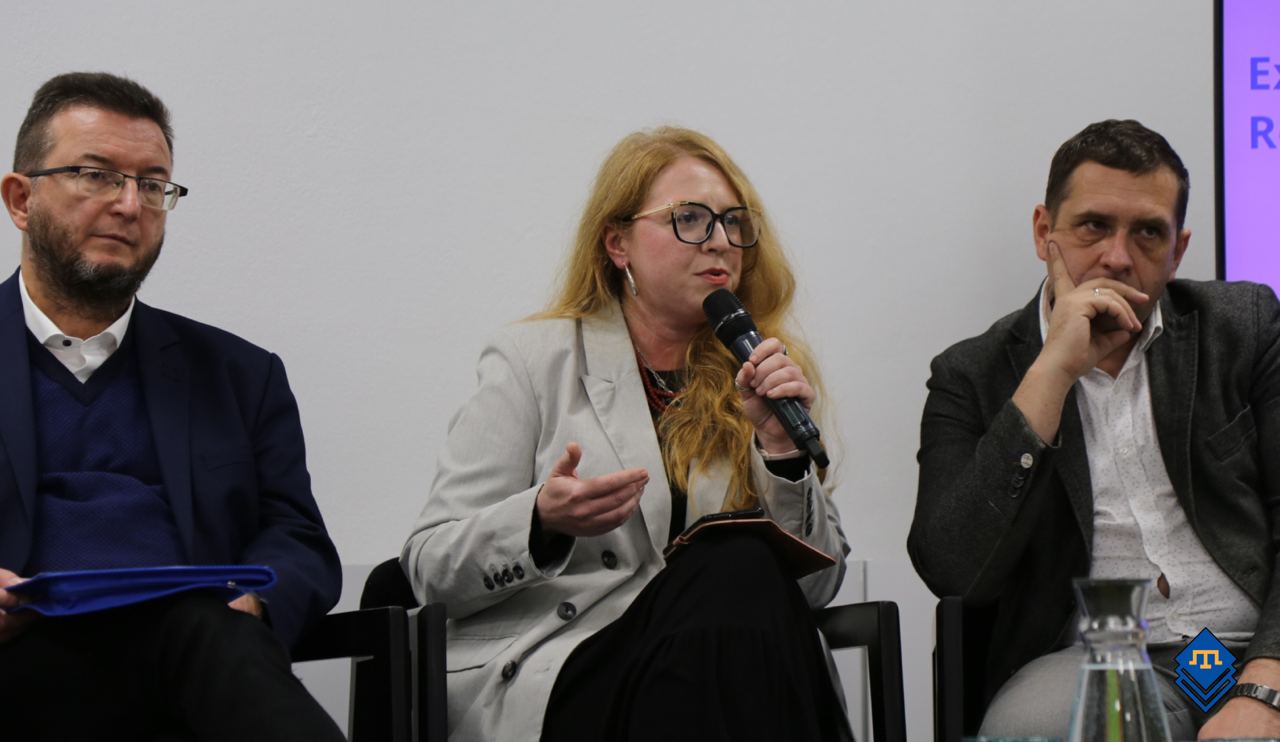
Anastasia Antoniuk told more about the Policy on Evaluating the Effectiveness of Expert papers.
“The policy covers not only the evaluation of performance, but also
the implementation of this data, and the corresponding implementation.
It is worth noting that one of the main tasks of this policy is to
assess the effectiveness of expert work, and accordingly, it covers
the reflection of the value and significance of the specific, final
and material result of the activities of an expert or expert group
within the relevant expert network,” – she added.
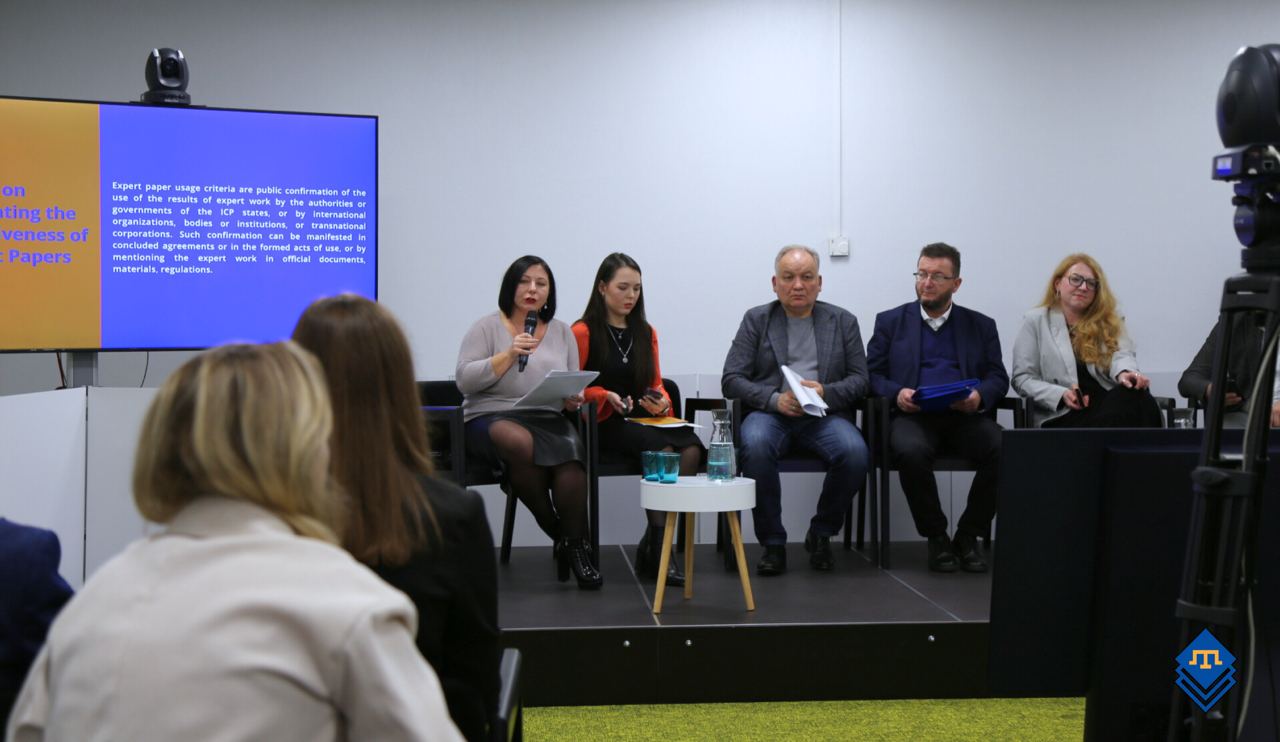
Yevhen Khlobystov emphasized the importance of the Expert Engagement Policy.
“I think that today we are presenting a project document that aims to
increase the efficiency of expert work within the Crimean Platform.
And, perhaps, a very important issue is the criteria and policy for
engaging experts, that is, who we engage as experts and who these
people are,” the expert said.

The non-discrimination and equality policy was presented by
Liudmyla Korotkikh, CTRC lawyer.
“The purpose of this policy is to establish clear rules of interaction
both within the Network and in its relations with the outside world in
order to avoid potential conflict situations and create a healthy,
working atmosphere. Thus, any person who enters into any interaction
with the Expert Network understands the principles and standards that
the Network adheres to and the requirements for experts and
employees,” – she explained.
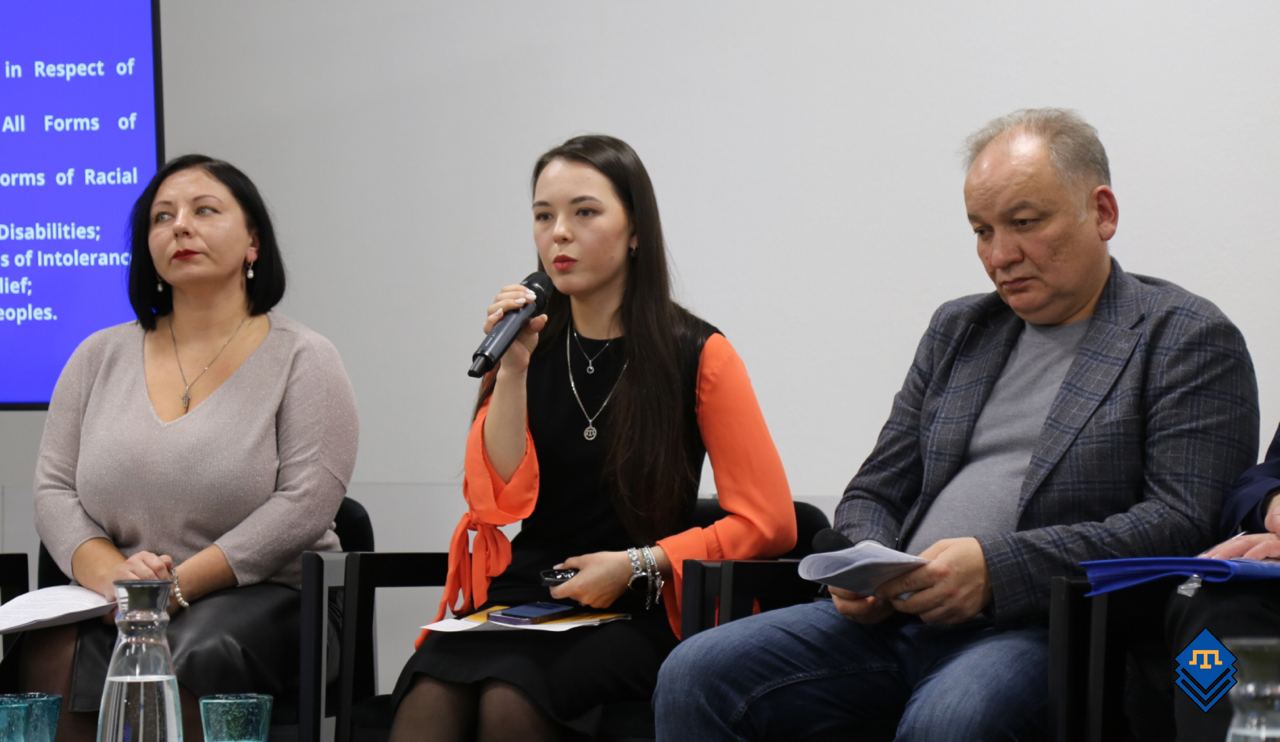
The lawyer emphasized that the draft policy on non-discrimination and
equality is aimed at implementing international human rights
standards, which, in fact, promote non-discrimination and establish
procedures for overcoming conflict situations that may arise.
Borys Babin focused on the Policy of the formation and planning of the cost of expert papers.
“I must emphasize that the real result of such expert work is expert
papers and documents. All international bodies and structures, such as
the Council of Europe or the UN, or the OSCE and others, base their
expert activities not only on meetings and discussions, but also on
documents submitted by experts to statutory assemblies and
secretariats. This is the main task of experts – to provide documents.
And as we can see, it is not only that the entire structure of the
International Crimea Platform has not yet been institutionalized. But
if we look at the real result of the work of the Crimea Platform’s
expert network, we will see certain political developments. We see a
lot of good statements, but we don’t see any expert papers. Therefore,
the only way to fix this is to discuss how we should organize and
materially support this activity,” he explained.
More details on the draft policies are available here.

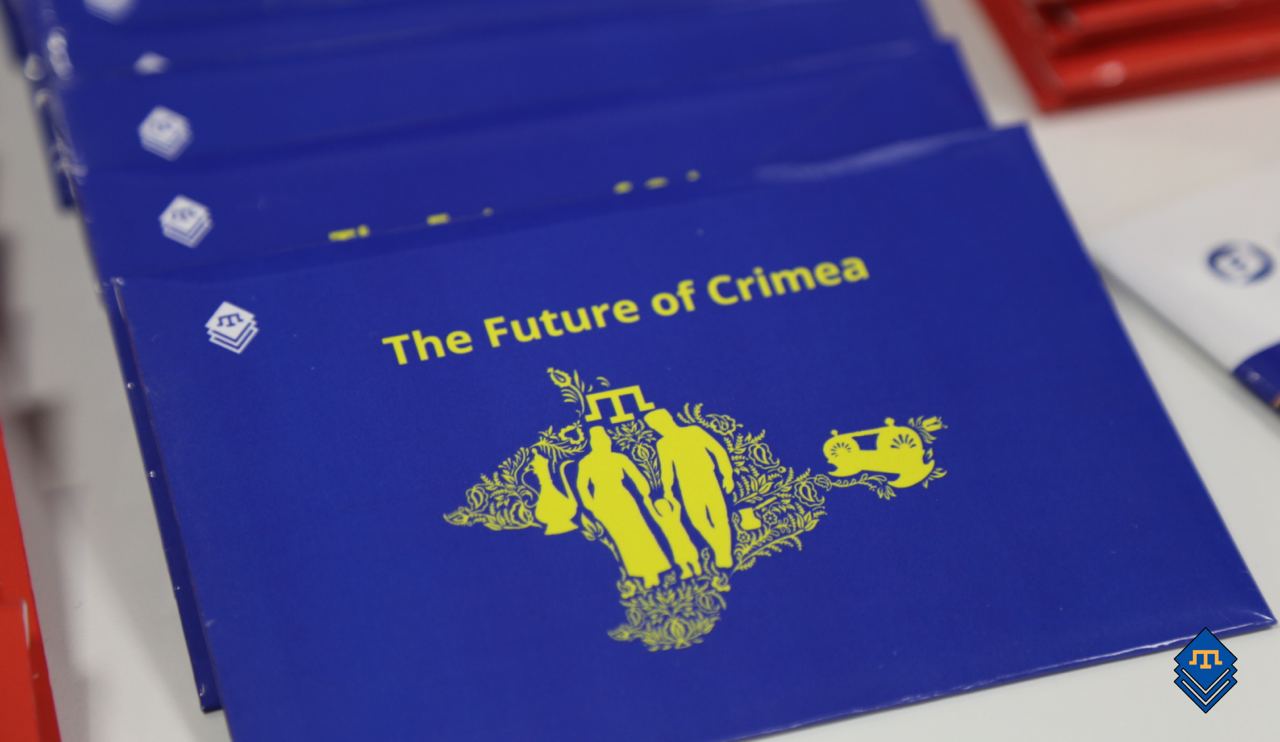
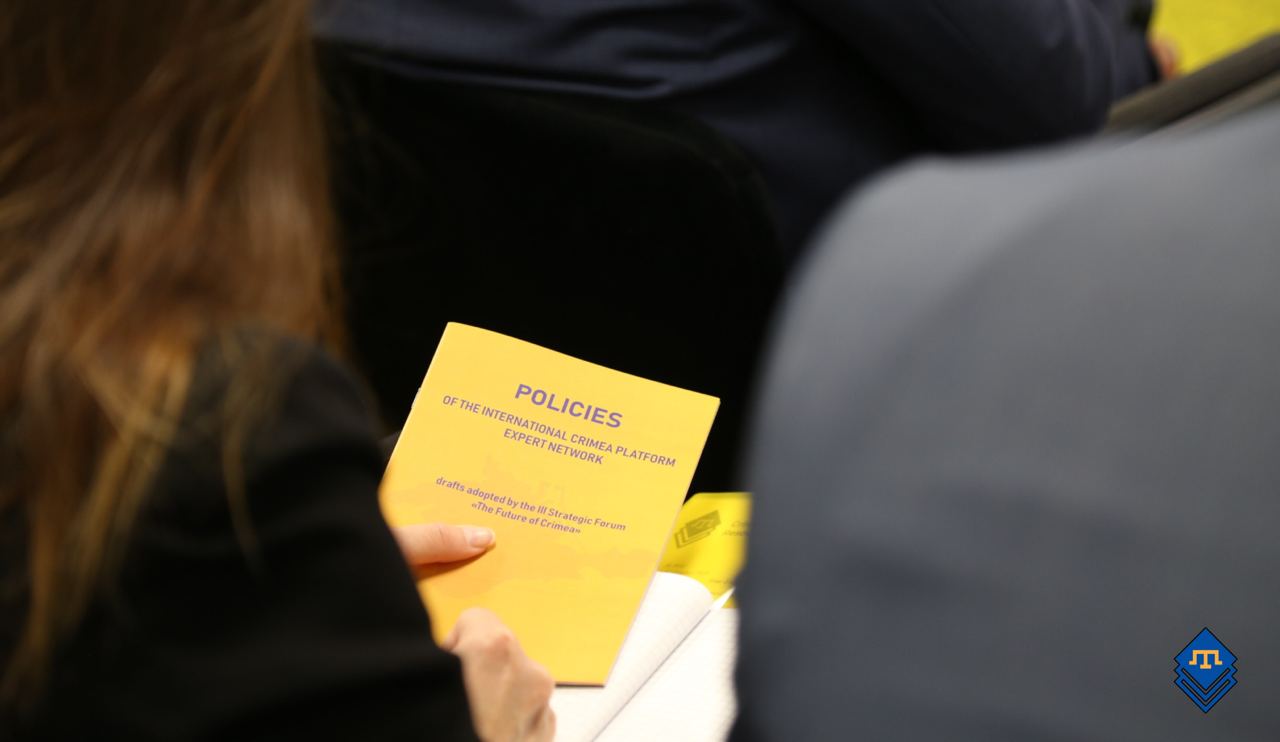
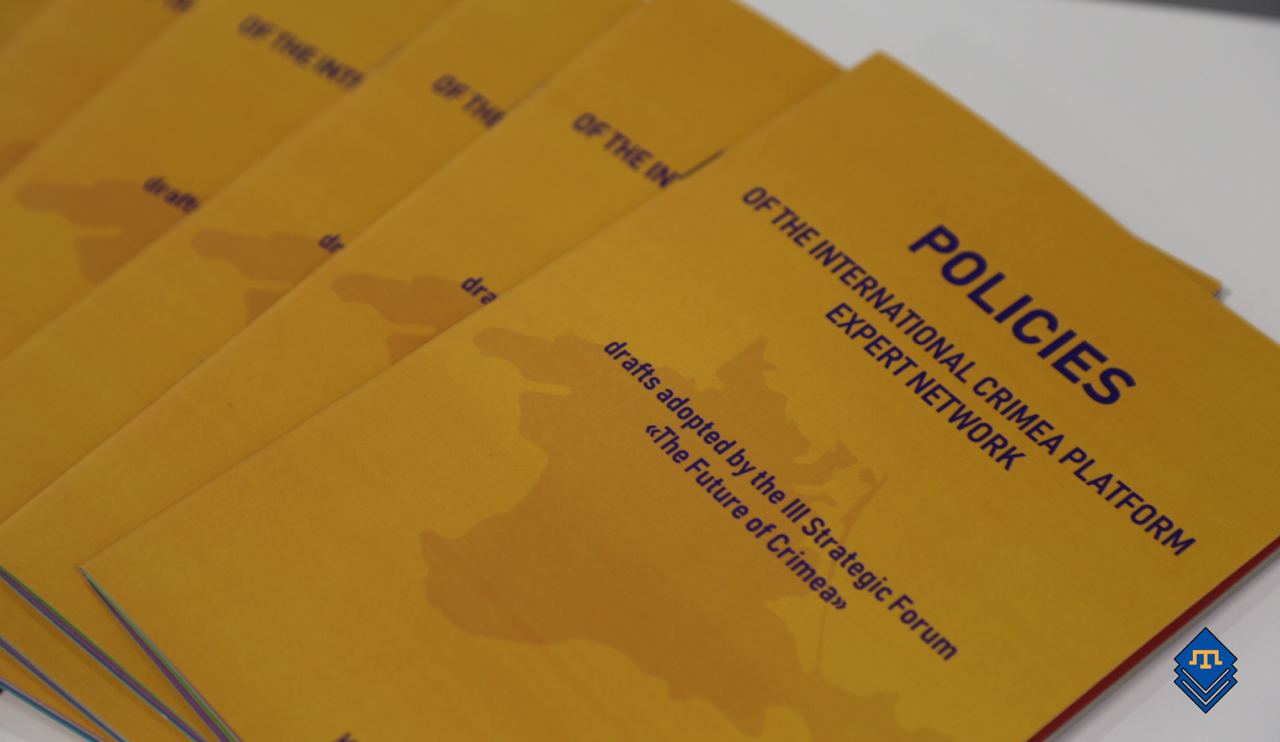
This event and these policies were created by the Crimean Tatar
Resource Center with the support of the Initiative for Sectoral
Support to Civil Society of Ukraine, implemented by the Initiative for
Sectoral Support to Civil Society of Ukraine in consortium with the
Ukrainian Center for Independent Political Research (UCIPR) and the
Center for Democracy and Rule of Law (CEDEM), thanks to the generous
support of the American people through the United States Agency for
International Development.