

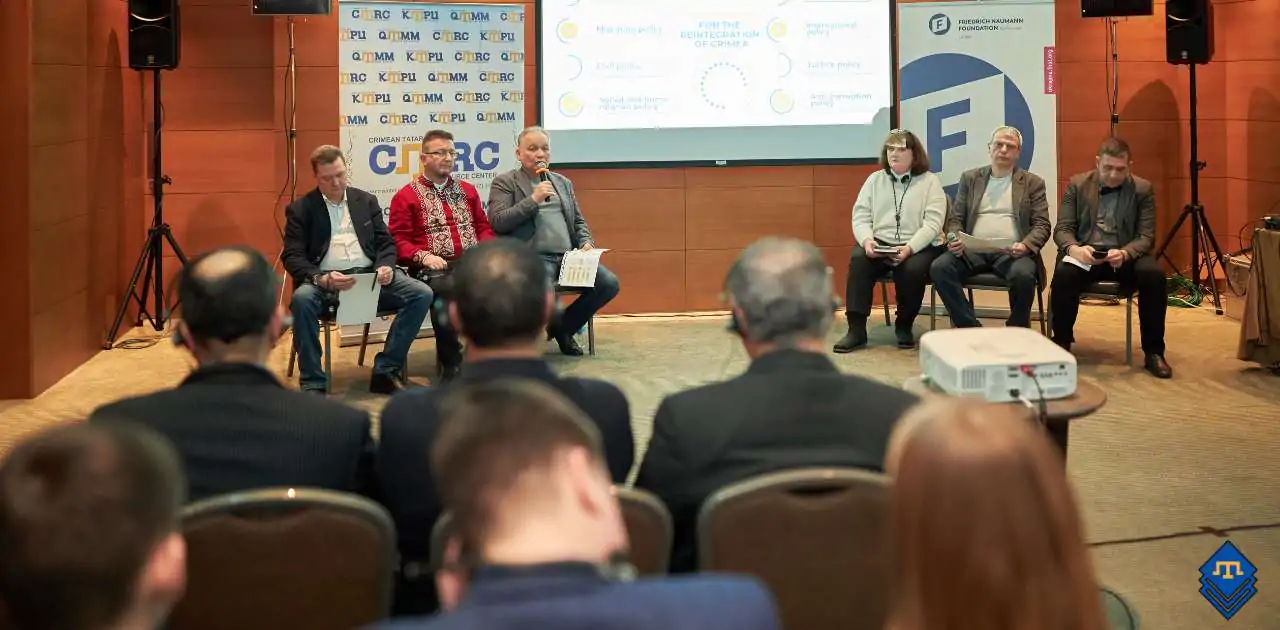
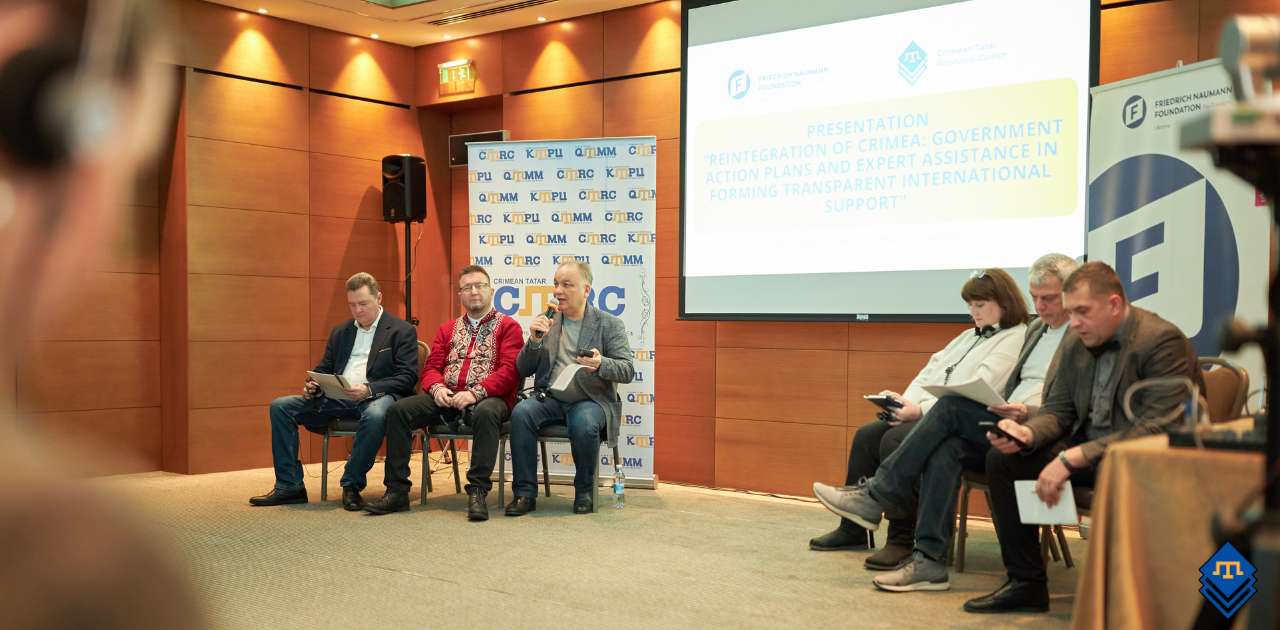
On Thursday, December 14, in Kyiv, at the Hyatt Regency Hotel, a presentation Reintegration of Crimea: Government Action Plan and Expert Assistance in Forming Transparent International Support took place based on the results of the II Strategic Forum “The Future of Crimea” on the issues of reintegration of Crimea.
The event consisted of two panels, during which experts presented the Government Action Plan for the Reintegration of Crimea: General Expert Recommendations and the concept of Development of International Financial Assistance Mechanisms for the Ukraine’s revival.
Speakers:
- Eskender Bariiev – Head of the Board of the Crimean Tatar Resource Center, member of the Mejlis of the Crimean Tatar people;
- Volodymyr Liashenko – Representative of the National Council of Ukraine on Television and Radio Broadcasting in the Autonomous Republic of Crimea and the city of Sevastopol;
- Borys Babin – professor, Doctor of legal sciences, lawyer, expert of the NGO Crimean Tatar Resource Center;
- Kostiantyn Zakharenko – Professor, doctor of political sciences, lawyer, expert of the NGO Crimean Tatar Resource Center;
- Yevhen Khlobystov – Professor, Doctor of Economics, member of the Expert Council on environmental protection and sustainable development of Crimea, coordinator of the working group Ecology and Economics of the Crimea Platform Expert Network ;
- Valentyna Potapova – Head of the national advocacy in the field of education of the Almenda NGO.
- Liudmyla Korotkykh – Lawyer, expert of the Crimean Tatar Resource Center .
Head of the Board of the Crimean Tatar Resource Center Eskender Bariiev spoke about recommendations for the reintegration of Crimea, which were developed at the I Strategic Forum.
“These recommendations concern 10 directions: public authority, criminal policy, civil policy, migration policy, social and humanitarian policy, information policy, environmental policy, justice policy, international policy and anti-corruption policy”,- he explained.
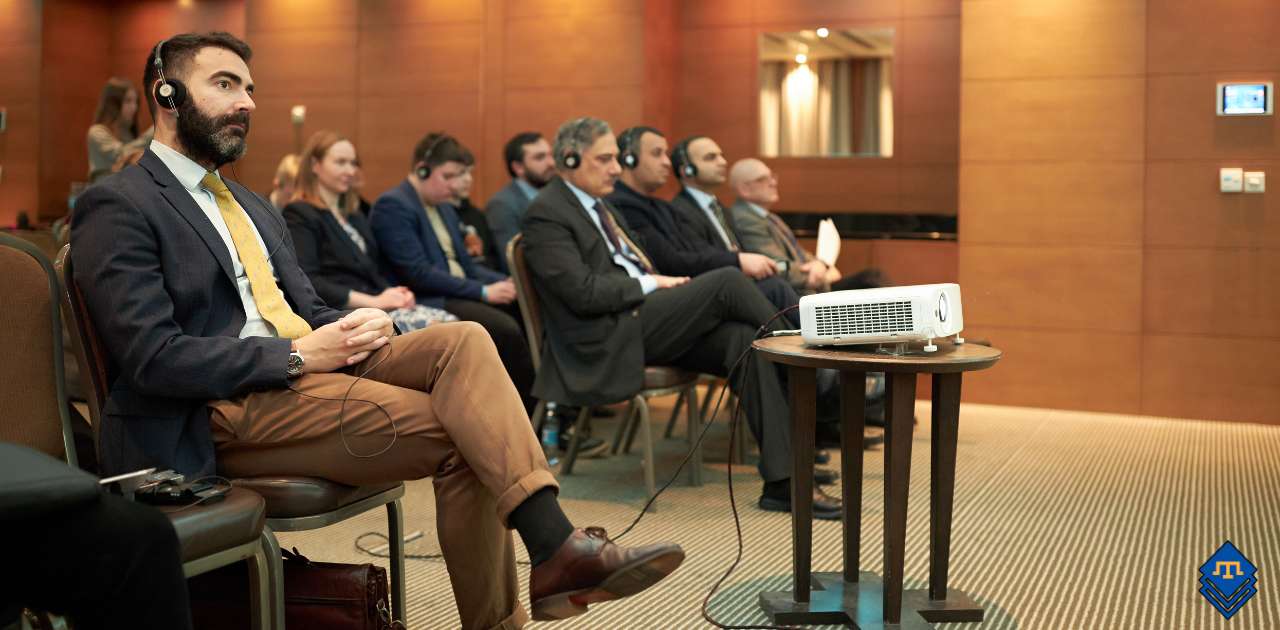
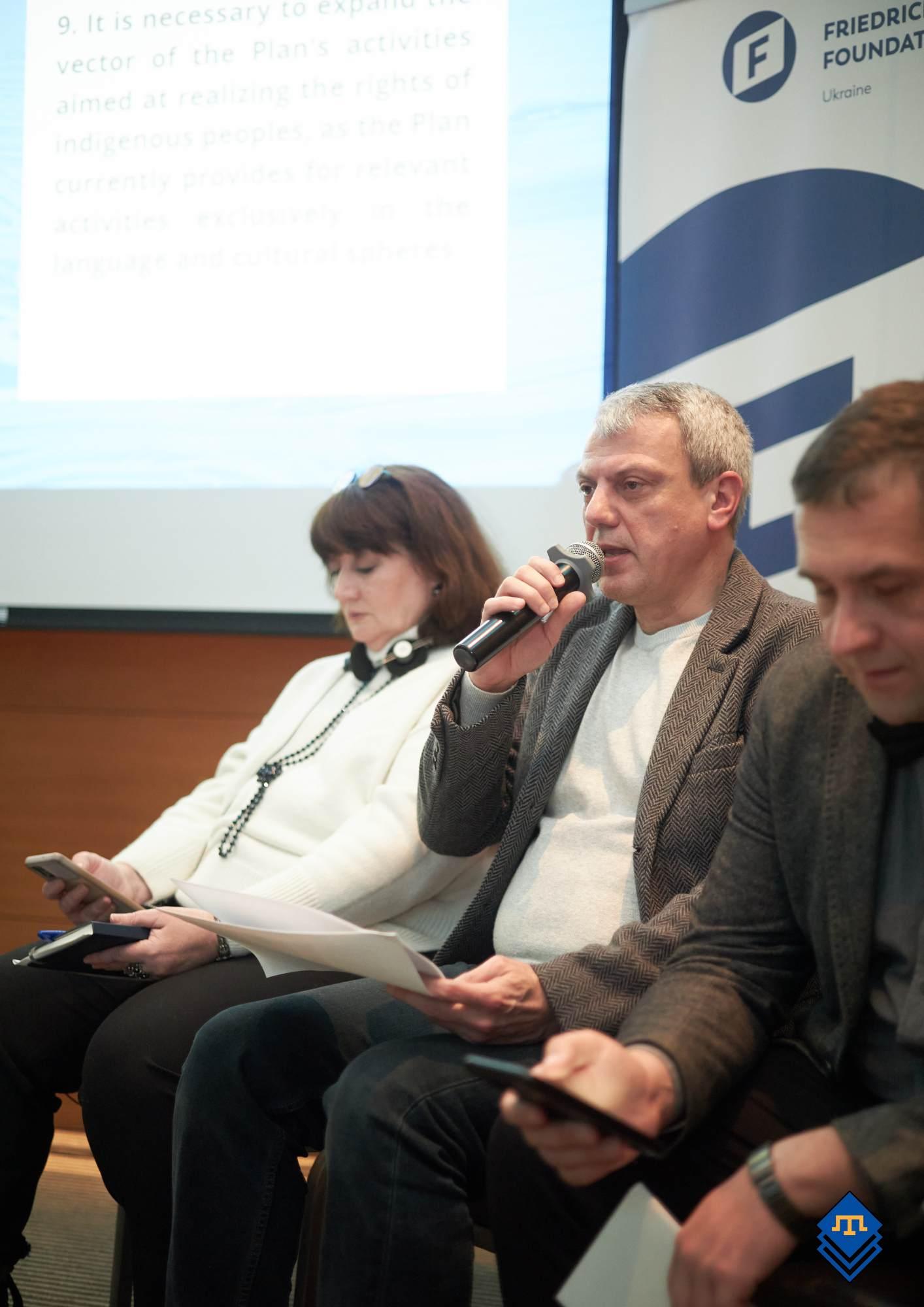
Bariiev noted that within the framework of the II Strategic Forum, experts focused on analyzing the Action Plan for the implementation of the Strategy for de-occupation and reintegration of the temporarily occupied territory of the Autonomous Republic of Crimea and the city of Sevastopol. During the event, he also presented recommendations for this document, and invited experts commented on individual areas in more detail.
Volodymyr Liashenko focused on Information Policy, noting that the occupiers are actively destroying the infrastructure associated with the dissemination of information, because they understand that information is a real weapon.
“Therefore, assistance from the international community will be needed to obtain technical means of transmitting information. Unfortunately, it so happens that the easiest way to transmit information is through radio waves – the Russians understand this, so they jam the radio waves. And today we actually do not have access to a radio signal on the territory of the occupied peninsula. The only thing we have left now is satellite communications”,- he explained.
Yevhen Khlobystov commented on the environmental and economic policies that were described in the Action Plan and made his comments. According to him, there is a huge problem in the use of Crimea’s natural resources – it is carried out chaotically in order to circumvent the sanctions policy.
“The problem is that over these 10 years Russia has turned Crimea into a complete military base. When infrastructure projects were laid out, which were essentially aimed at military and paramilitary purposes, any legislation, any requirements were ignored”,- he explained.
Kostiantyn Zakharenko noted that the number of problems that arise is extremely large.
“An extremely important problem for us is civil policy, and specifically the situation regarding property. There have been an extremely large number of land transfers in 10 years. People simply bought and sold apartments”,- he noted.
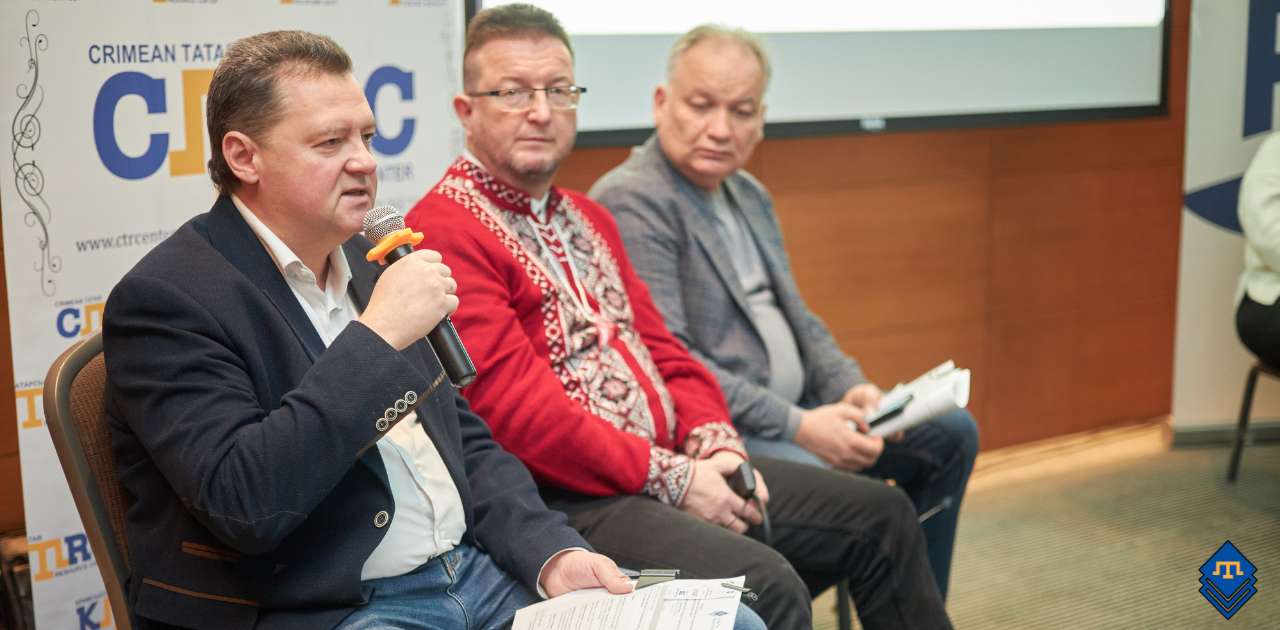
In addition, a very important issue of anti-corruption policy.
“After the real estate market opens, problems will arise from registering people, obtaining Ukrainian citizenship back or retaining Ukrainian citizenship, to those people who illegally arrived on the territory of the Autonomous Republic of Crimea after the occupation. We must make safeguards that will enable the state to function effectively”,- explained Kostiantyn.
Valentyna Potapova focused on the issue of youth education in the occupied territories.
“The consequence of educational reintegration is the return of children and youth to the information field, the educational field, as well as the involvement of youth from temporarily occupied territories in all processes of the state of Ukraine. The number of children who are now in the temporarily occupied territory in school alone is 300,000. The youth who are there are somewhere around 500 thousand”,- she explained.
Valentyna added that after the full-scale invasion, certain difficulties arose in the development of distance education: firstly, Ukrainian sites in the temporarily occupied territories are blocked, therefore, in order to continue the successful practices that have been developed by the state, it is necessary to create a single web portal that will protected, concentrated in one place and will be convenient for searches even through VPN. This could be one of the solutions.
Eskender Bariiev, Liudmyla Korotkykh and Borys Babin during the second panel presented the concept of Development of international financial assistance mechanisms for the reconstruction of Ukraine, the purpose of which is to prepare an expert legal, financial and organizational basis for a future international treaty and a corresponding international platform of financial support for the reconstruction of Ukraine, carried out by third states and international institutions, including a description of the algorithms for their cooperation and financing and the development of a draft collective agreement or other documents.
“We must discuss transparency, a mechanism for effective control over the expenditure of funds and the mechanism for how we spend these funds with the interest of the national society, because the interests of society and citizens of Ukraine are extremely important. We understand that the situation in Ukraine is almost unique: since the level of Russian aggression and the level of losses can be compared approximately with the beginning of the Second World War”,- explained Borys Babin.
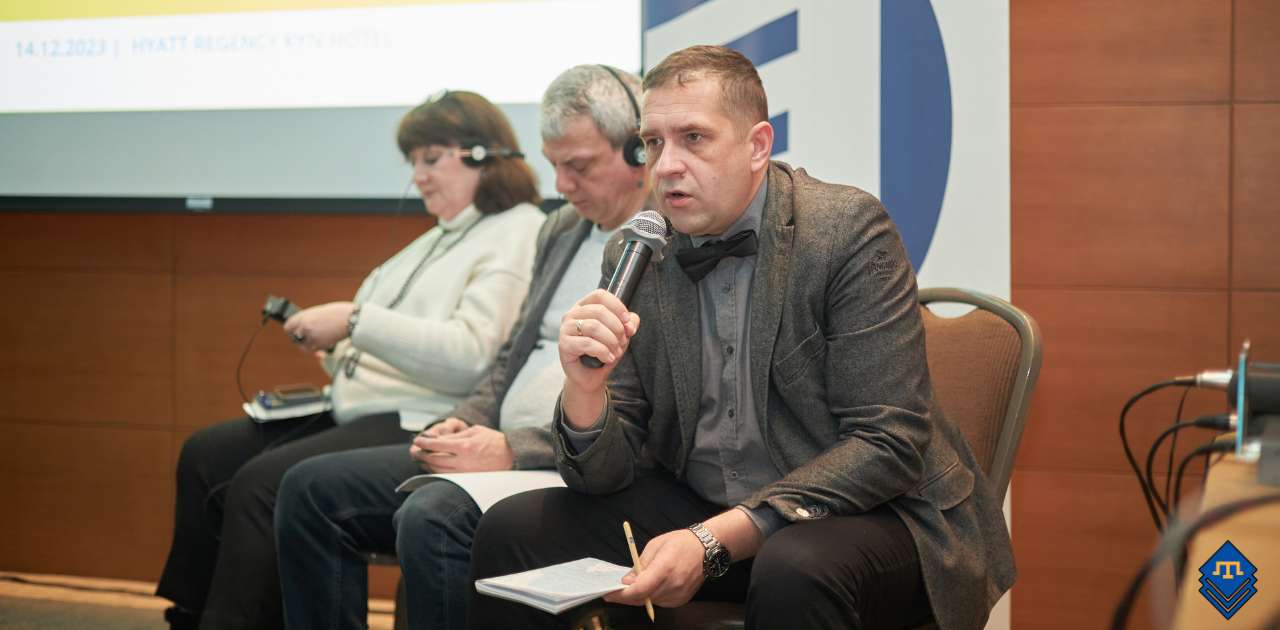
“The result of this work will be the development of a draft agreement document, which will define both the financing mechanism and financing criteria, and will spell out certain rules of the game that will be applied to provide financial support for the restoration of Ukraine”,- explained Liudmyla Korotkykh.
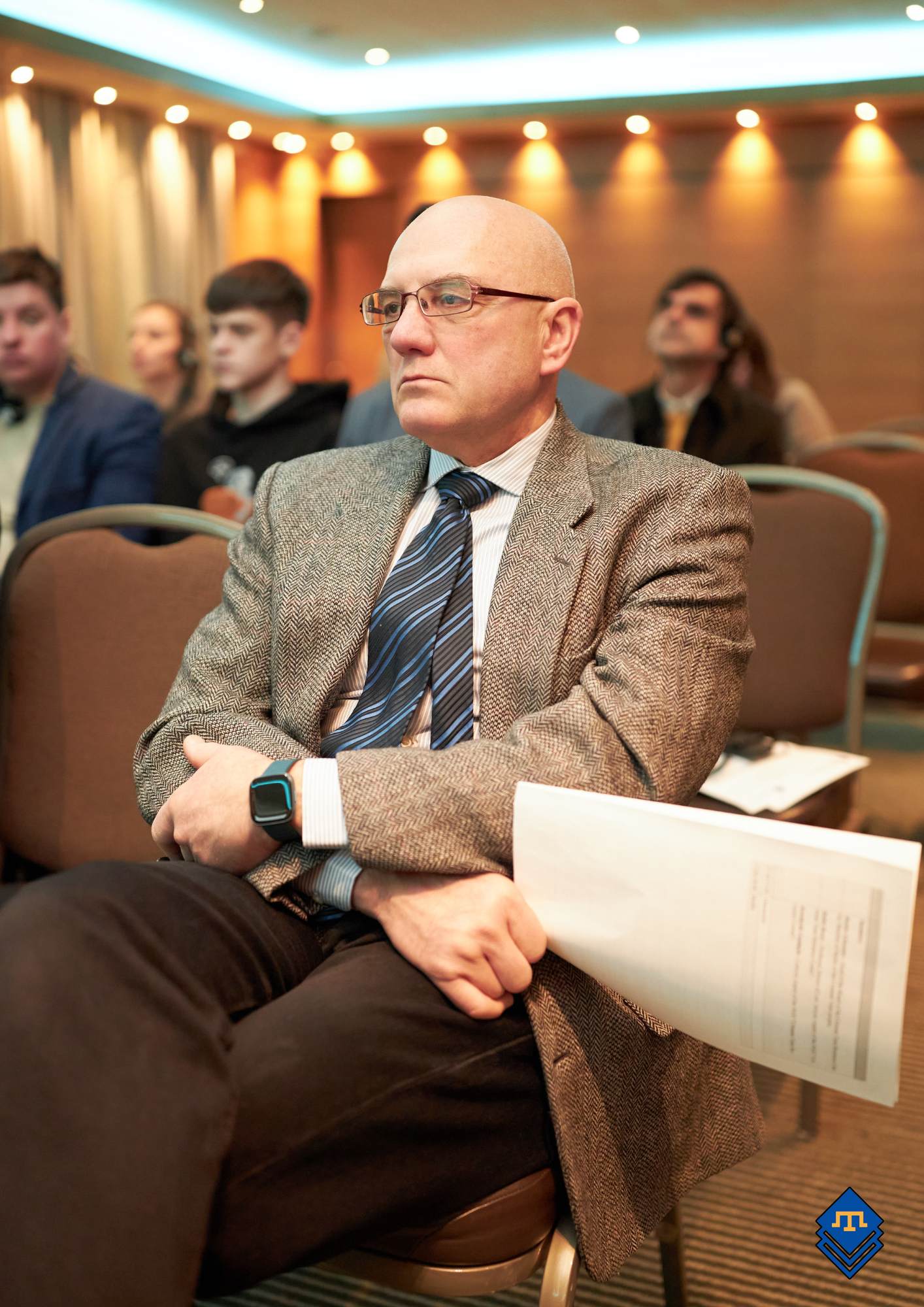
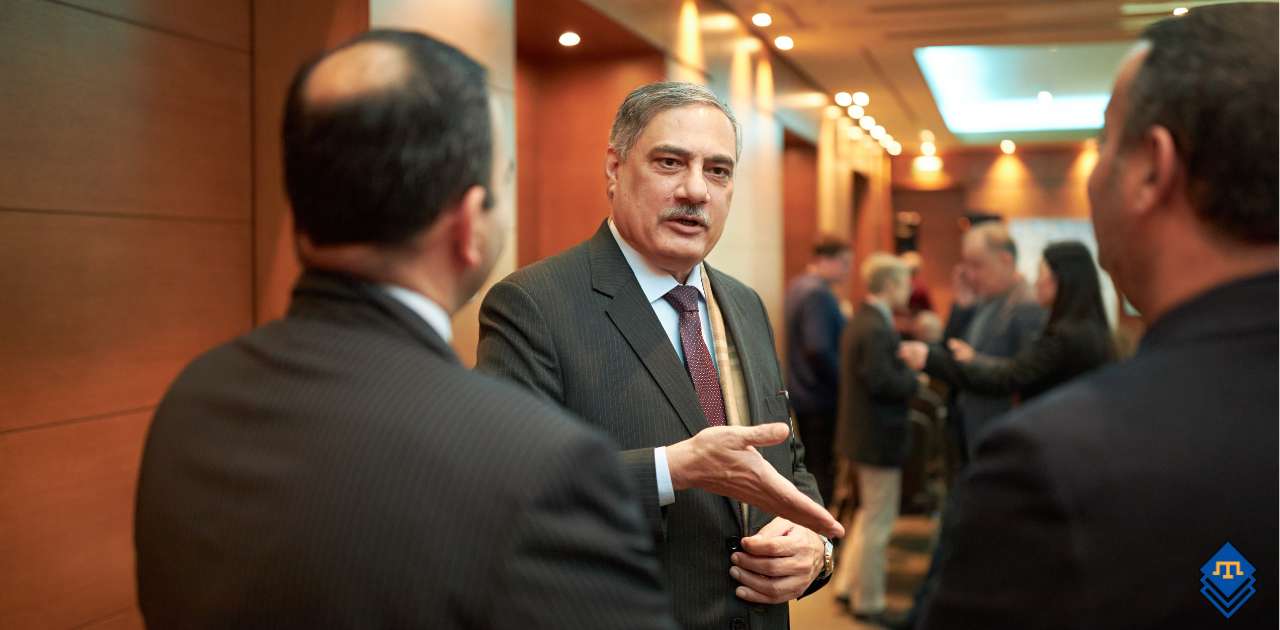
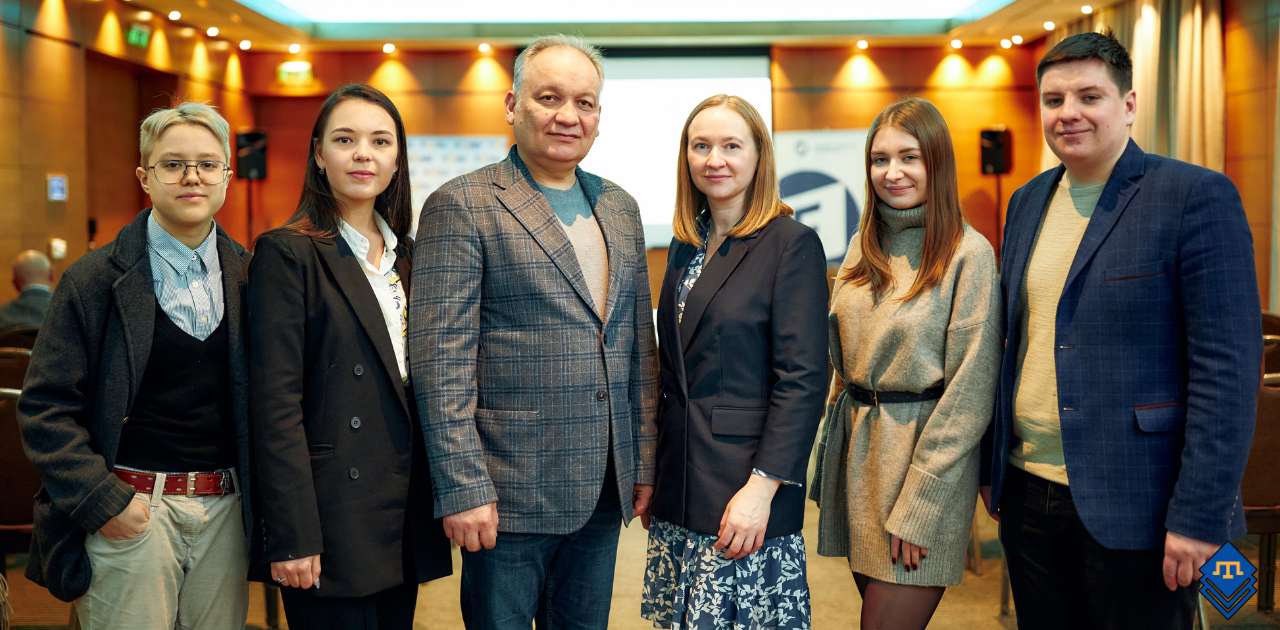
The event was attended by representatives of the embassies of Spain, Croatia, Brazil, Romania, Austria, Norway, UN representatives and others. All those present had the opportunity to ask questions and express their opinions regarding the recommendations of the experts of the II Strategic Forum The Future of Crimea.
This presentation was held with the support of the Friedrich Naumann Foundation for Freedom in Ukraine. The content of the recommendations is the sole responsibility of the CTRC and does not necessarily reflect the views of the Friedrich Naumann Foundation for Freedom in Ukraine.