

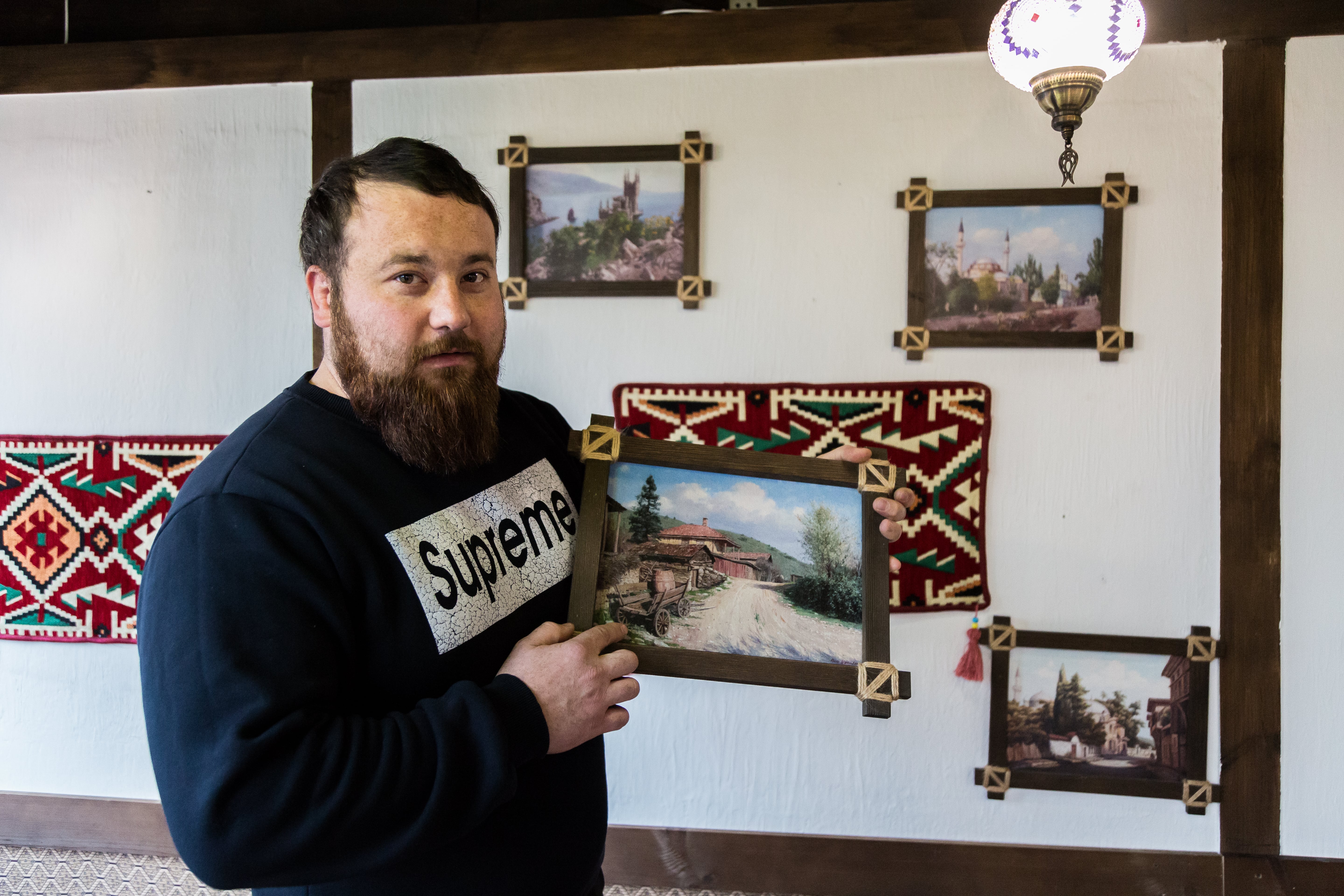
 Alimdar says he could not watch how his countrymen were being illegally arrested and charged with terrorism. He himself purchased equipment to record human rights violations in the peninsula and filmed almost all searches in Crimea. For his active civic stance, Alimdar came to the attention of the occupying authorities. They began to surveille him, ssummoned him for interrogations and warned against further activity.
“I was determined not to remain silent,” says Alimdar.
The man was well aware that sooner or later he could find himself behind bars. He regularly changed cars, and on Wednesdays and Thursdays made sure not to come back home, these were the days when Russian security forces conducted searches forces mainly conducted.
“I did it not because I was afraid, but because I wanted to make it to another search that will take place either on Wednesday or Thursday. It was important for me to get ahead of events and broadcast searches,” the activist explains.
One day, however, Alimdar got sick and stayed home, and it was on this day that the security forces came to him. Besides his household, the searches were carried out at his mother’s and brother’s houses. Alimdar remembers that day very well, and often recalls the words his mother told him after the searches: “Do what you have to do for your people. Your mission is to protect your people.”
 After the search, the money in the house disappeared and later his car was confiscated. The activist is convinced that this was done to hinder his activity.
Later, when Alimdar once again was crossing the administrative border with Crimea, the Russian security services made it clear to the activist that if he returns, this would be the last time.
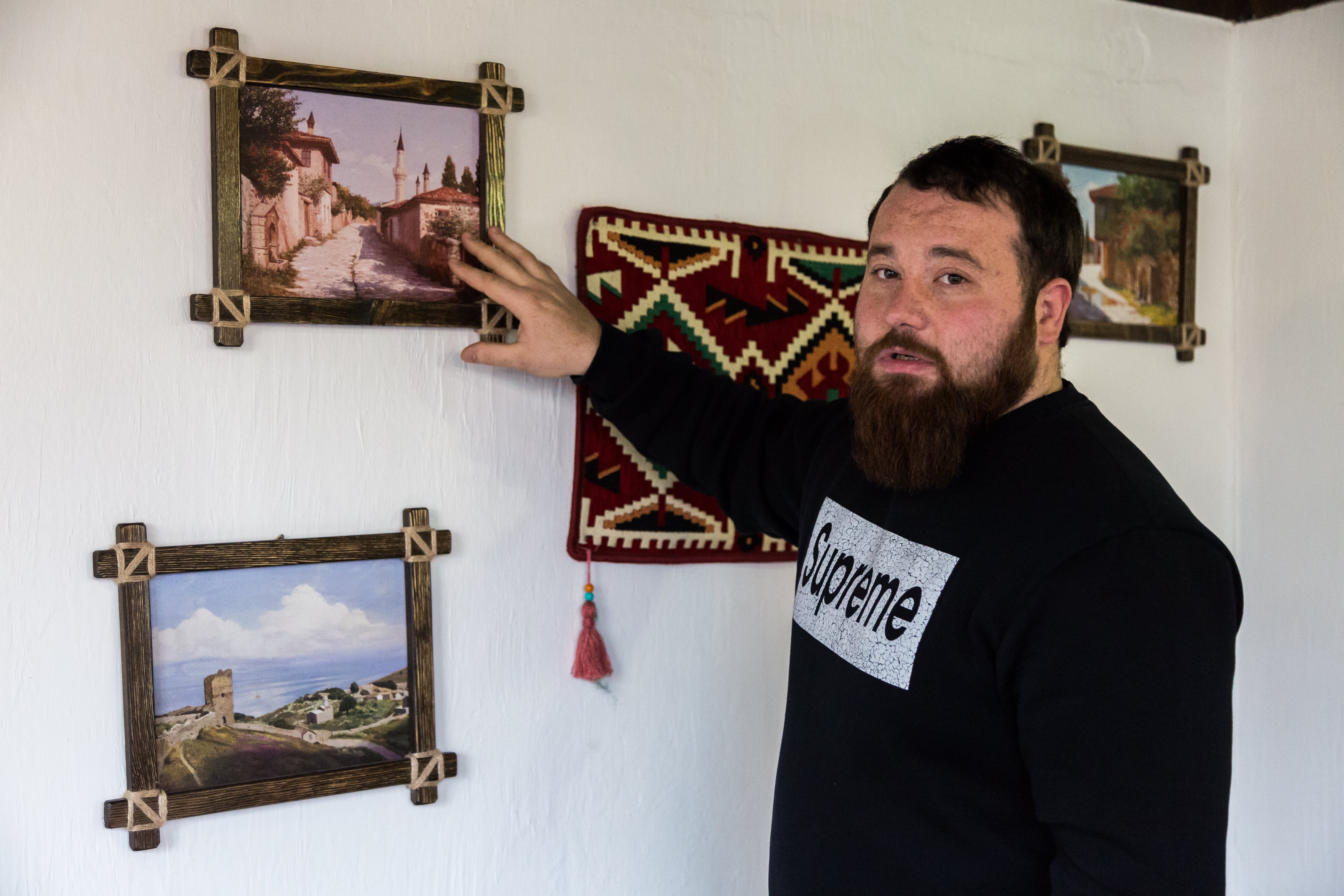
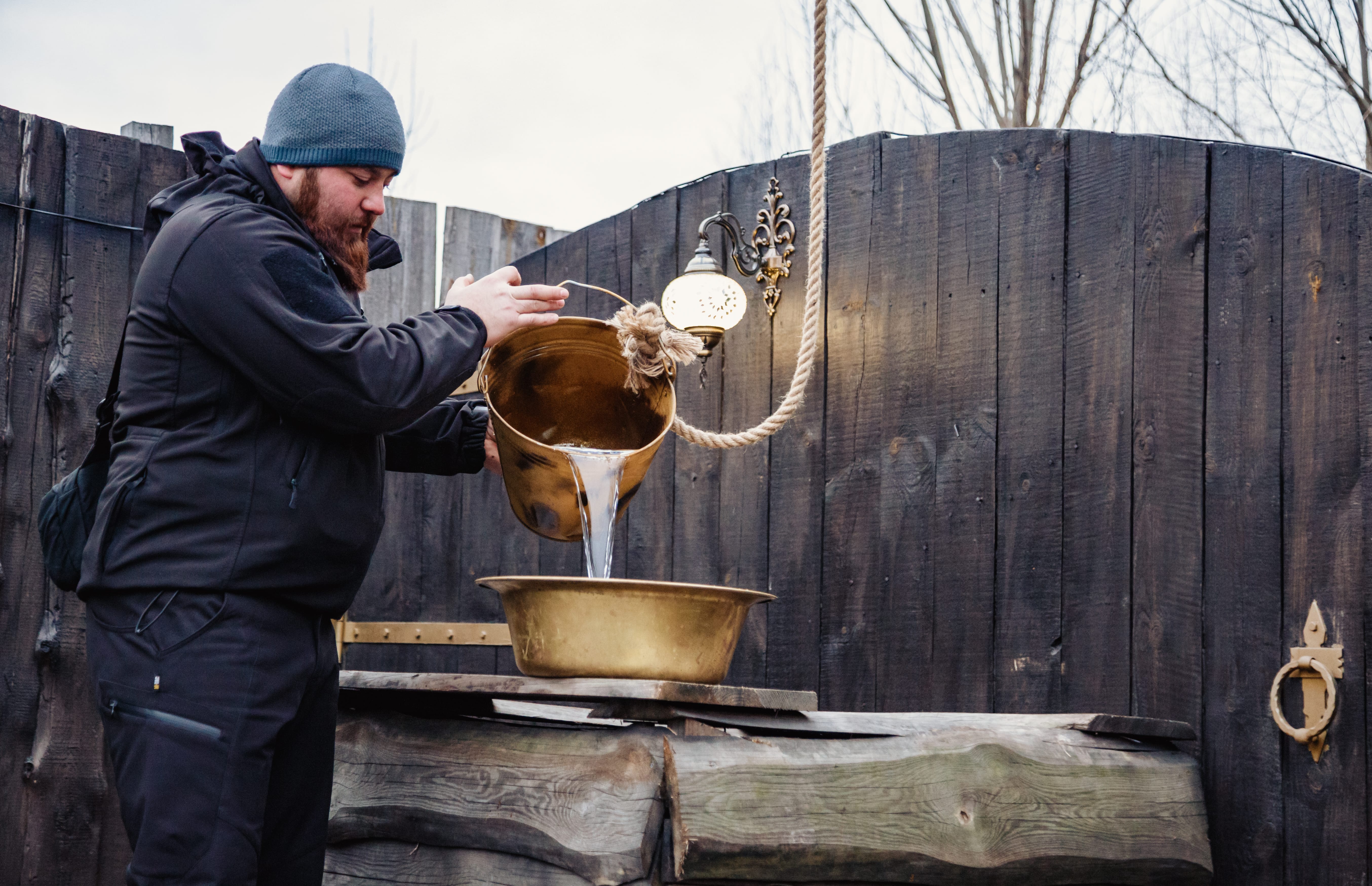 Today, Alimdar resides in Kyiv. Here, he opened a small family restaurant of the Crimean Tatar cuisine, «Eski Qırım» (Old Crimea). The name is not accidental. It was in the city of Old Crimea that the activist lived before moving to mainland Ukraine.
 He admits that the decision to open an ethno-restaurant was inspired by the similar establishment “Salachik” in Bakhchisaray, owned by a current political prisoner Marlen Asanov. With this initiative, Alimdar seeks to familiarize Ukrainians with the culture and values of the Crimean Tatar people. He does not forget for a moment about his countrymen. He admits that although he resides in Kyiv, his thoughts are only about his people in Crimea. Alimdar sincerely believes that soon all political prisoners will be free, and he will gather them all in his small but cozy establishment and feed them a delicious, fragrant plov.
 Project manager: Zarema Bariieva
Author of pictures: Elvir Sagirman
Text writer: Elvir Sagirman
Translation into English: Zarema Bariieva
We remind that on February 26 in Kyiv, the presentation of the album and the exhibition “Hostages of the Occupation” took place, which tell us about the fate of 20 Crimean Tatar families after the annexation of the peninsula. On March 10, the exhibition opened in Vinnytsia. The exhibition is expected to be presented in Lviv and Dnipro as well.
The project was prepared by the Crimean Tatar Resource Center with the support of the Democracy Grants Program of the US Embassy to Ukraine.