


On Thursday, December 11, a press conference entitled “Crimea behind brackets? Is there any chance to liberate Crimean political prisoners?” was held in Kyiv at the Ukrainian Crisis Media Center, organized by the Crimean Tatar Resource Center to mark International Human Rights Day.
The speakers were:
Eskender Bariiev, Chairman of the Board of the Crimean Tatar Resource Center, member of Mejlis of the Crimean Tatar People;
Elvin Kadyrov, Representative of the Commissioner for the Rights of Residents of the Autonomous Republic of Crimea and the City of Sevastopol;
Volodymyr Liashenko – human rights activist, expert at the Crimean Tatar Resource Center;
Igor Kotelianets – Chairman of the Board of the public organization “Association of Relatives of Kremlin Political Prisoners,” brother of former political prisoner Yevgen Panov.
Moderator:
Tetiana Savchuk – Communications Manager of the Crimean Tatar Resource Center.
The participants discussed what is happening to political prisoners in Crimea now, what mechanisms could bring
their release, and what changes the state should make to help those who are currently or have been held captive by Russia.
During his speech, Eskender Bariiev, Chairman of the Board of the Crimean Tatar Resource Center, emphasized that the repressive system in occupied Crimea is only getting stronger every year, and the number of people being persecuted continues to grow. He stressed that the situation with Crimean political prisoners remains critical, and that Russian special services are deliberately targeting the most vulnerable groups.
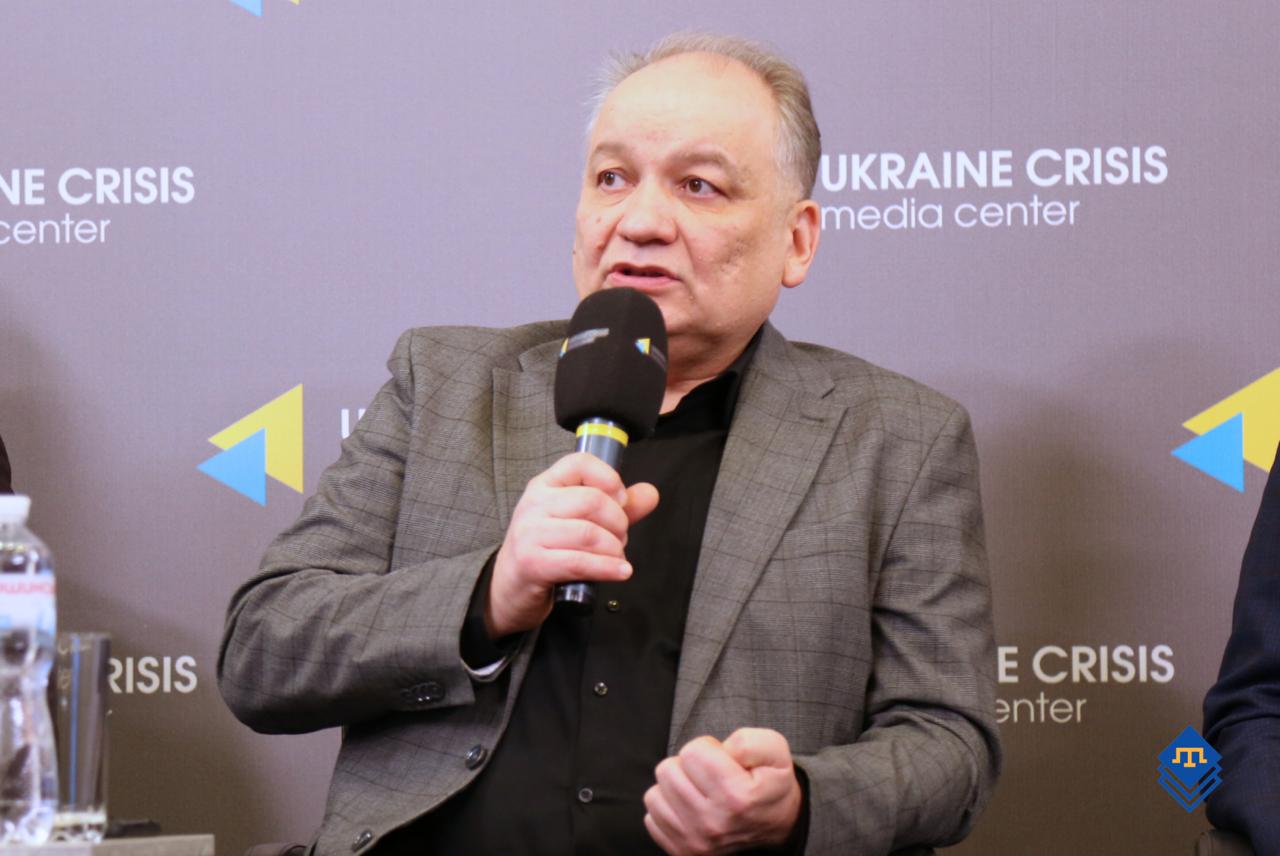
According to the Crimean Tatar Resource Center, as of today, there are 486 people who have been illegally detained and prosecuted in criminal cases, including 272 representatives of the Crimean Tatar people. Currently, 325 people are being held in FSB torture chambers, including various categories, in particular: 42 women, 28 elderly people, 8 people with disabilities, 64 young people, and 63 fathers with many children. In other words, we can see that nothing stops the occupiers,” – Bariiev noted.
The human rights activist added that between 2017 and 2025 alone, the CTRC documented 10,727 human rights violations in the occupied Crimea, of which 7,166 concerned representatives of the Crimean Tatar people. These figures, he said, testify about the scale and systematic nature of politically motivated persecution.
Bariiev stressed that the issue of exchanges also demonstrates the profound inequality in Russia’s approach to different categories of prisoners.
” We have gathered information: since the start of the full-scale invasion, there have been 70 exchanges, during which 6,266 Ukrainians were released. We are happy for everyone who has returned home — this is extremely important. But I want to draw attention to something else. Since the occupation of Crimea, only 12 Crimean political prisoners have been released as part of exchanges. Before 2022, eight political prisoners were released, and after 2022, only four, five of whom are representatives of the Crimean Tatar people. Two Crimean Tatar prisoners of war were also returned.”
He emphasized that Russia deliberately avoids discussing Crimean Tatars during exchange negotiations, which the Ukrainian side confirmed during high-level meetings.
“When we met with the President of Ukraine in May, he said that Russians traditionally do not want to talk about journalists, Crimean Tatars, and Azov fighters. Therefore, we appeal to everyone involved in the exchange negotiations: every exchange must include people from Crimea and representatives of the indigenous Crimean Tatar people. This is not only a matter of justice — it is a matter of hope for our compatriots in the occupied territory.”
Elvin Kadyrov, representative of the Commissioner for the Rights of Residents of the Autonomous Republic of Crimea and Sevastopol city, emphasized the key role of the Ombudsman’s Office in monitoring human rights violations in occupied Crimea and promoting the cases of civilian hostages in international forums. He stressed that the state is working under conditions of limited access to information but continues to seek the release of illegally detained Ukrainians.
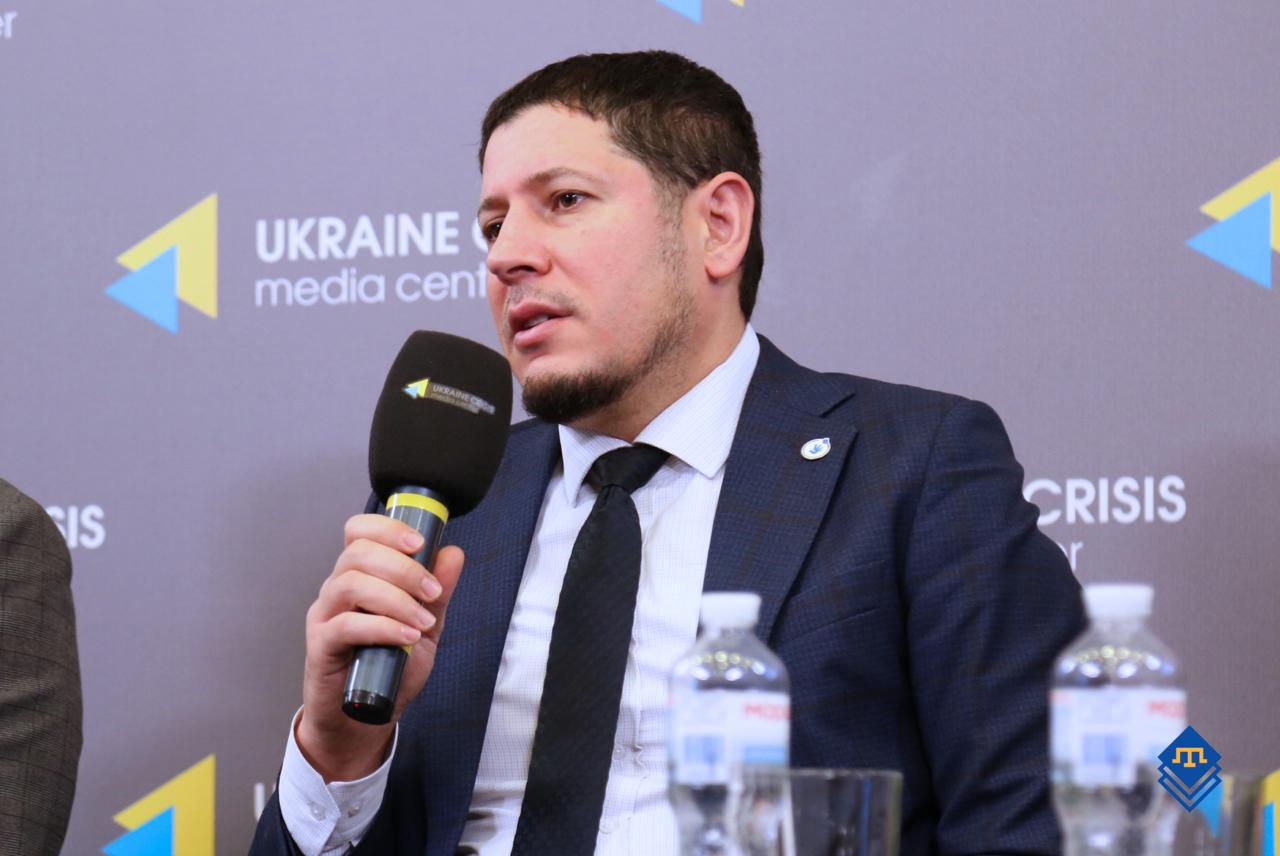
Our office constantly records human rights violations in the temporarily occupied territory of Crimea. This data forms the basis for international appeals and human rights initiatives. We constantly raise the issue of civilian hostages arrested on politically motivated charges. Thanks to the consolidated efforts of state bodies and international partners, we have managed to return 160 civilian hostages.”
Kadyrov also pointed out that the actual number of Ukrainians illegally detained may be significantly higher than officially estimated:
“There is no official data on the exact number of civilian hostages in Russia. But the figures start at 30,000 — and, in my opinion, there are significantly many more.”
He separately noted the importance of the Istanbul process:
“When the process was resumed, we immediately contacted the Turkish ombudsman and handed over lists of civilian hostages and seriously ill people. The issue of their release or at least access to medical care has already been raised with the Russian side, and we are awaiting a response.”
Igor Kotelianets, chairman of the board of the Association of Relatives of Kremlin Political Prisoners, stressed that a significant number of Ukrainian civilians who have already been or are still being held captive by Russia since 2022 still do not have legal status or access to state assistance.
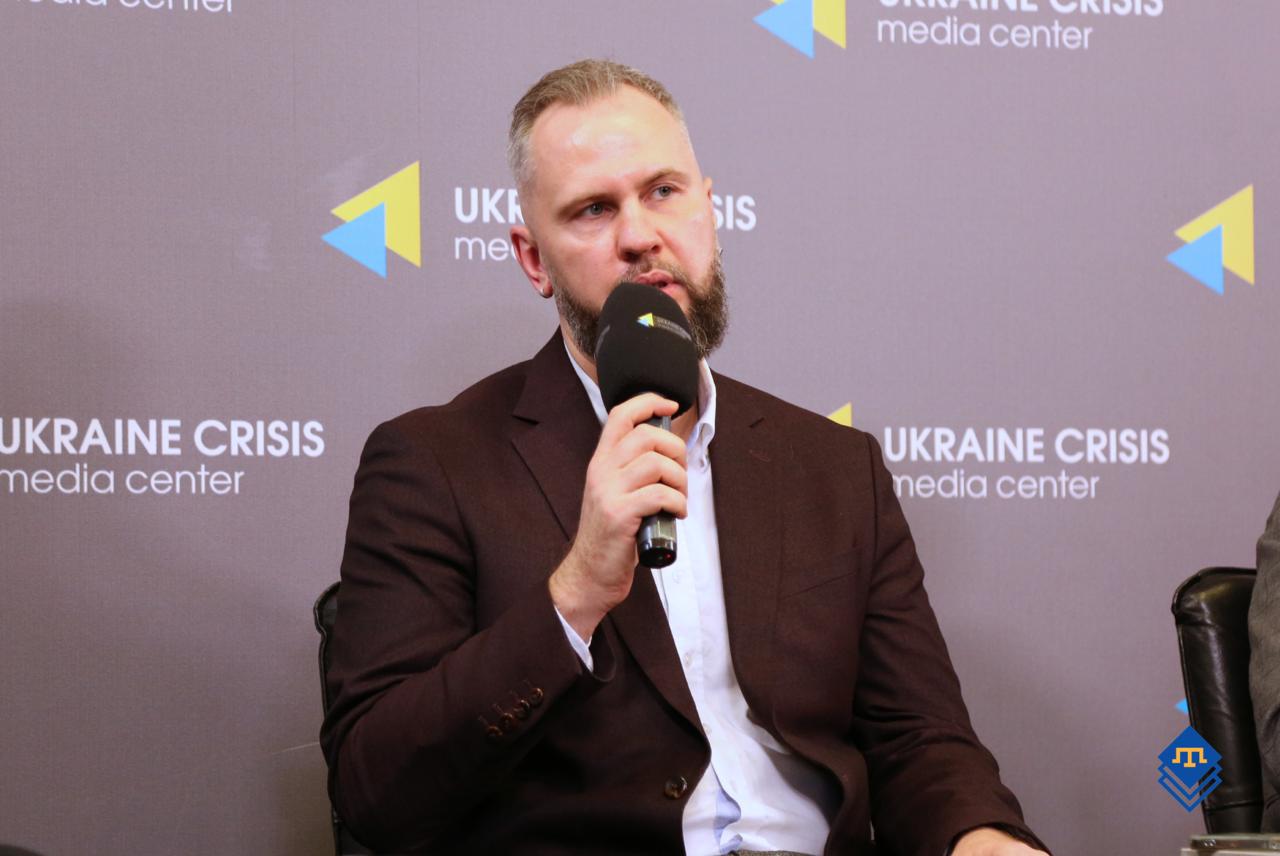
“The law was drafted between 2017 and 2022, when there were only political prisoners in Crimea and civilian hostages in Donbas. Now they are arresting everyone, and the provisions of the law are completely irrelevant. People must prove that they were involved in social or political activities—otherwise, they are not eligible for state assistance.”
He emphasized that this applies to both Crimeans and those who were brought to the peninsula from the newly occupied territories of Ukraine: “A huge number of them remain unnoticed by the state.” Therefore, the legislation needs to be updated urgently.
Kotelianets noted that 2024 was the most successful year in terms of the release of civilians thanks to the Coordination Headquarters. At the same time, Russia is holding most civilians incommunicado, without registration or contact with relatives: “They are being held secretly, without informing their relatives. Therefore, it is very difficult to find them, and even more so to protect them.”
Human rights activist and expert of the CTRC Volodymyr Liashenko drew attention to a critical problem: a significant number of released political prisoners cannot leave occupied Crimea or Russian territory due to the lack of Ukrainian documents and the occupiers’ refusal to recognize them as citizens of Ukraine.
“This is indeed a very complex problem, and it is directly related to the fact that the occupation of Crimea has been going on for 12 years now. Since 2016, the identity verification system in Ukraine has been linked to the Unified Demographic Register, and for most Crimeans, the information in this register is simply missing.”
He separately highlighted the problem concerning Crimean Tatars:
“A significant proportion of Crimean Tatars were born outside Crimea, in places of deportation. There is no data on them not only in the Unified Demographic Register, but also in the civil registry.”
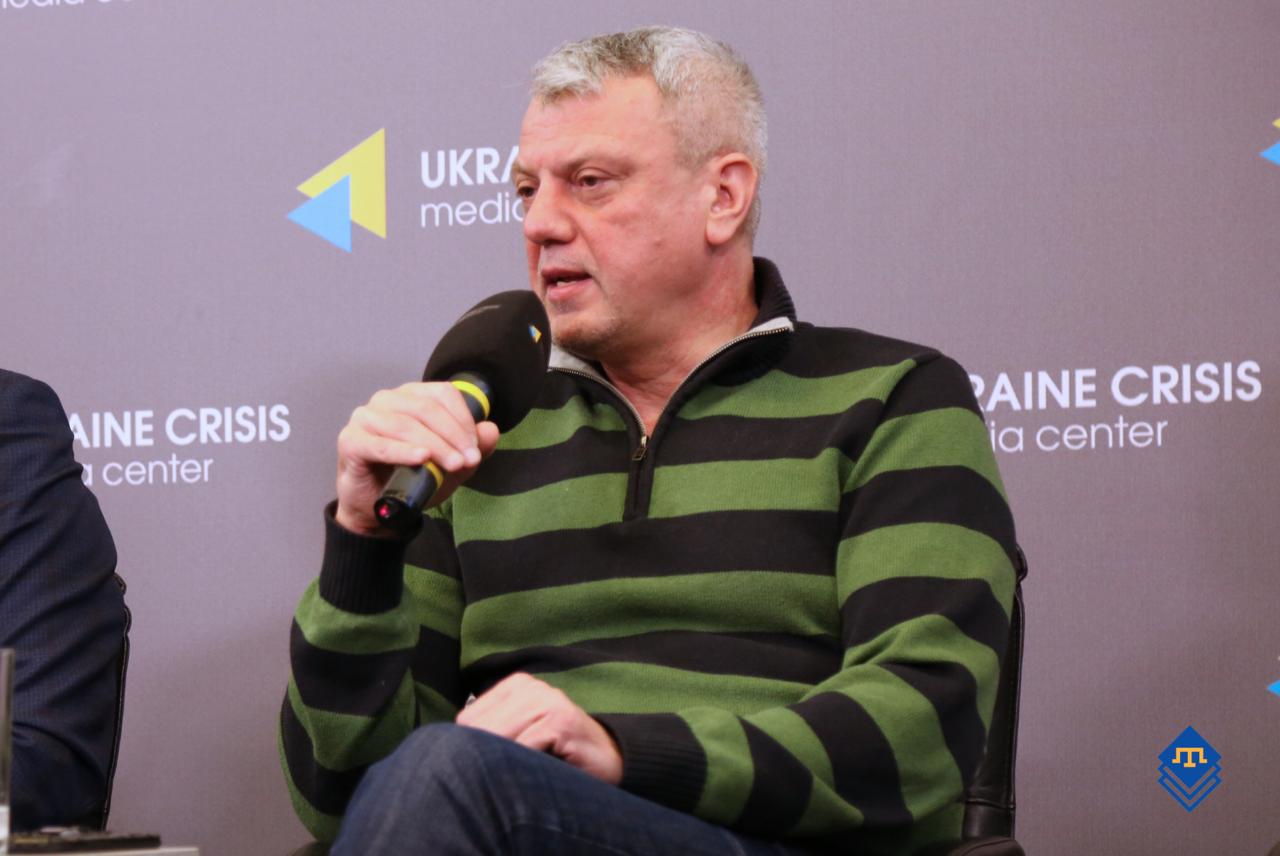
Liashenko explained that after being released from places of detention, people face a new barrier, because the Russians take away their Ukrainian passports, destroy them, or say that “we did not take it from you.” After that, they declare that the person needs to be “re-identified.”
The problem is exacerbated by Ukraine’s cancellation of the agreement on the rules of stay for citizens of both states, to which Russia continues to refer:
“Russia claims that if you do not have all the necessary documents, you are not citizens of Ukraine. That is, you are citizens of the Russian Federation or those whom they deport to wherever they deem necessary.”
The organizers emphasized that the issue of Crimean political prisoners cannot remain on the periphery of the political agenda.
“Today, we have once again seen that the issue of Crimean political prisoners must not be ignored. This is a matter of human rights, the safety of citizens, and the state’s responsibility to its people. Every illegally imprisoned person must be returned home. And this is only possible when human rights defenders, the state, the public, and international partners work together,” – emphasized Tetiana Savchuk.
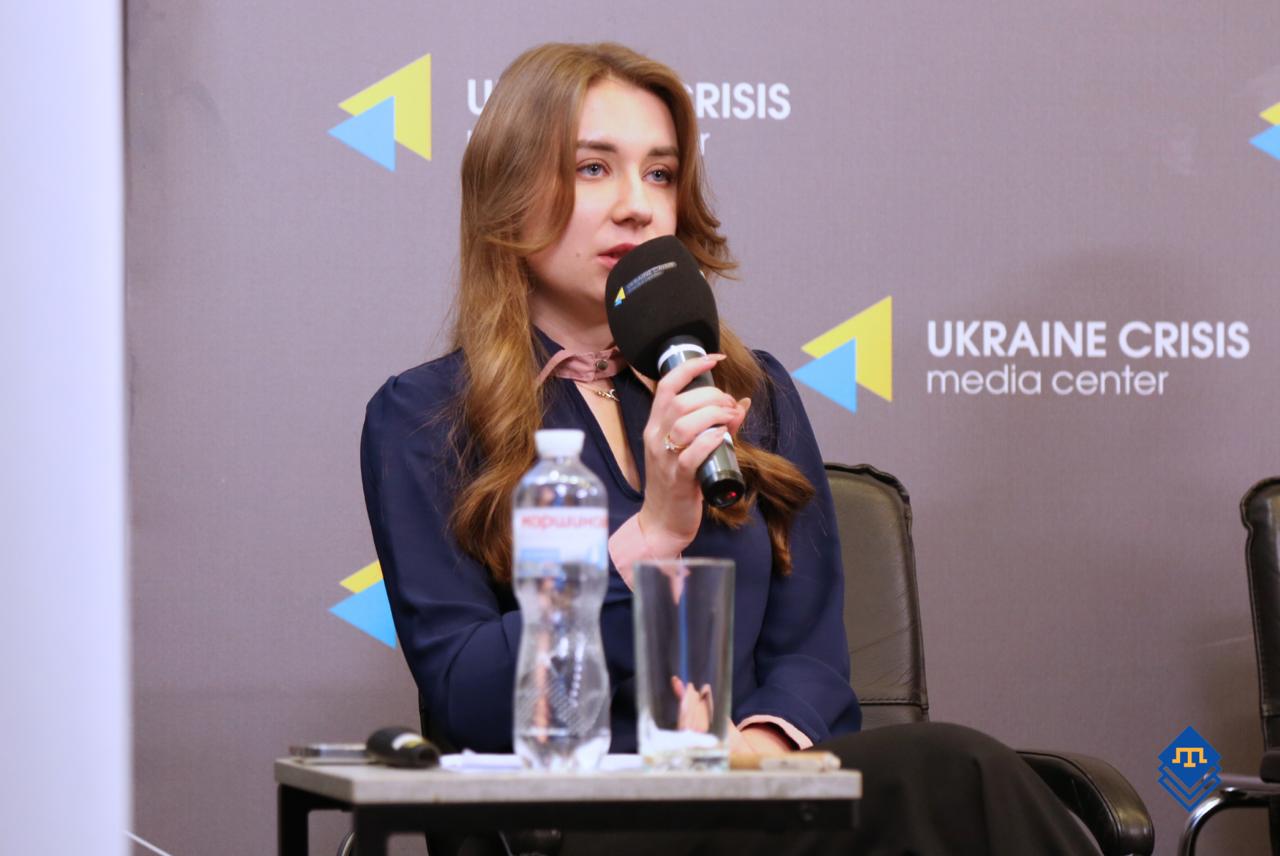
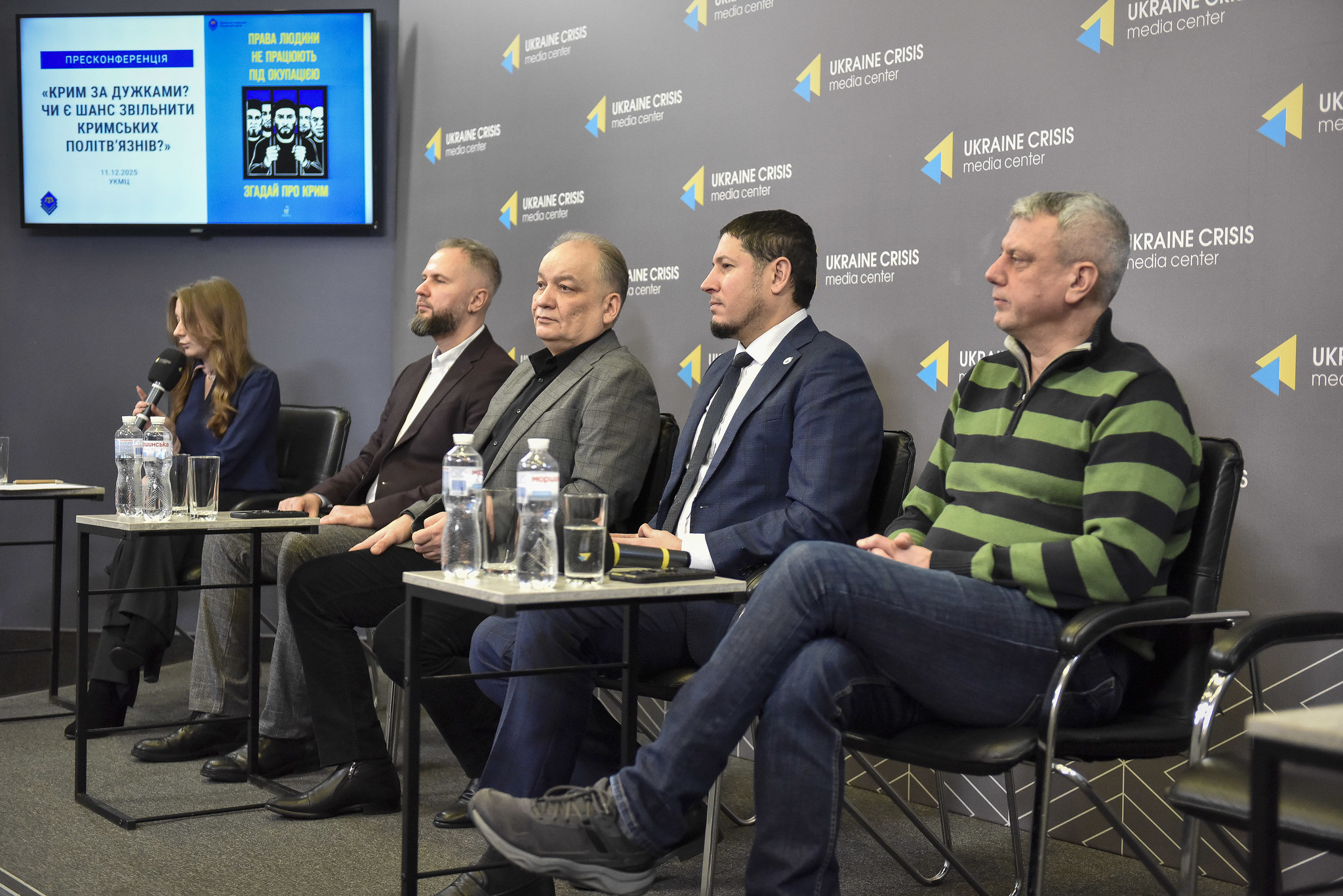
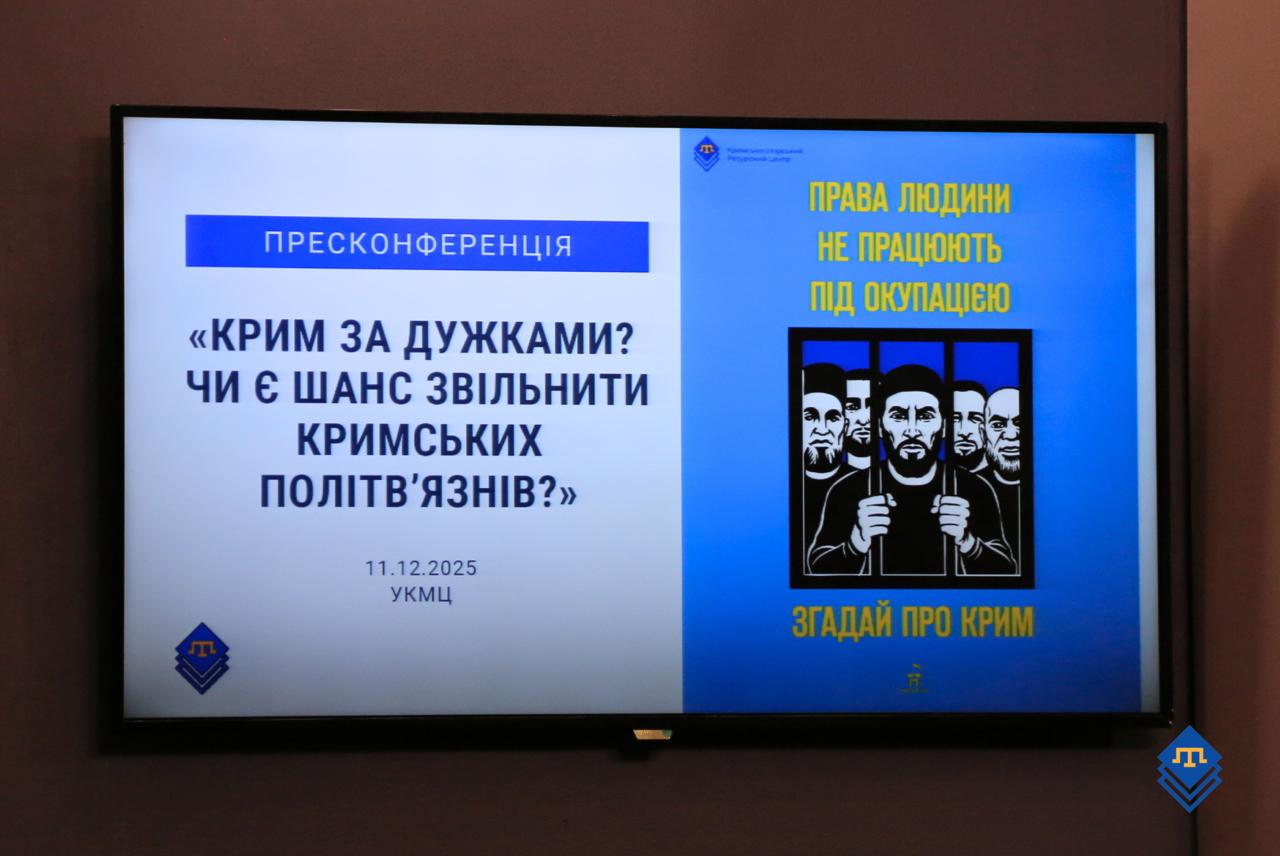
Photo: CTRC, UCMC