

On Wednesday, February 3 at 12:00, the Crimean Tatar Resource Center held a press conference on the topic “Modern challenges of assessing the actions of collaborationists and sanctions policy”, during which it presented a methodology for assessing the feasibility of introducing personal sanctions against persons who cooperate with the occupation authorities.
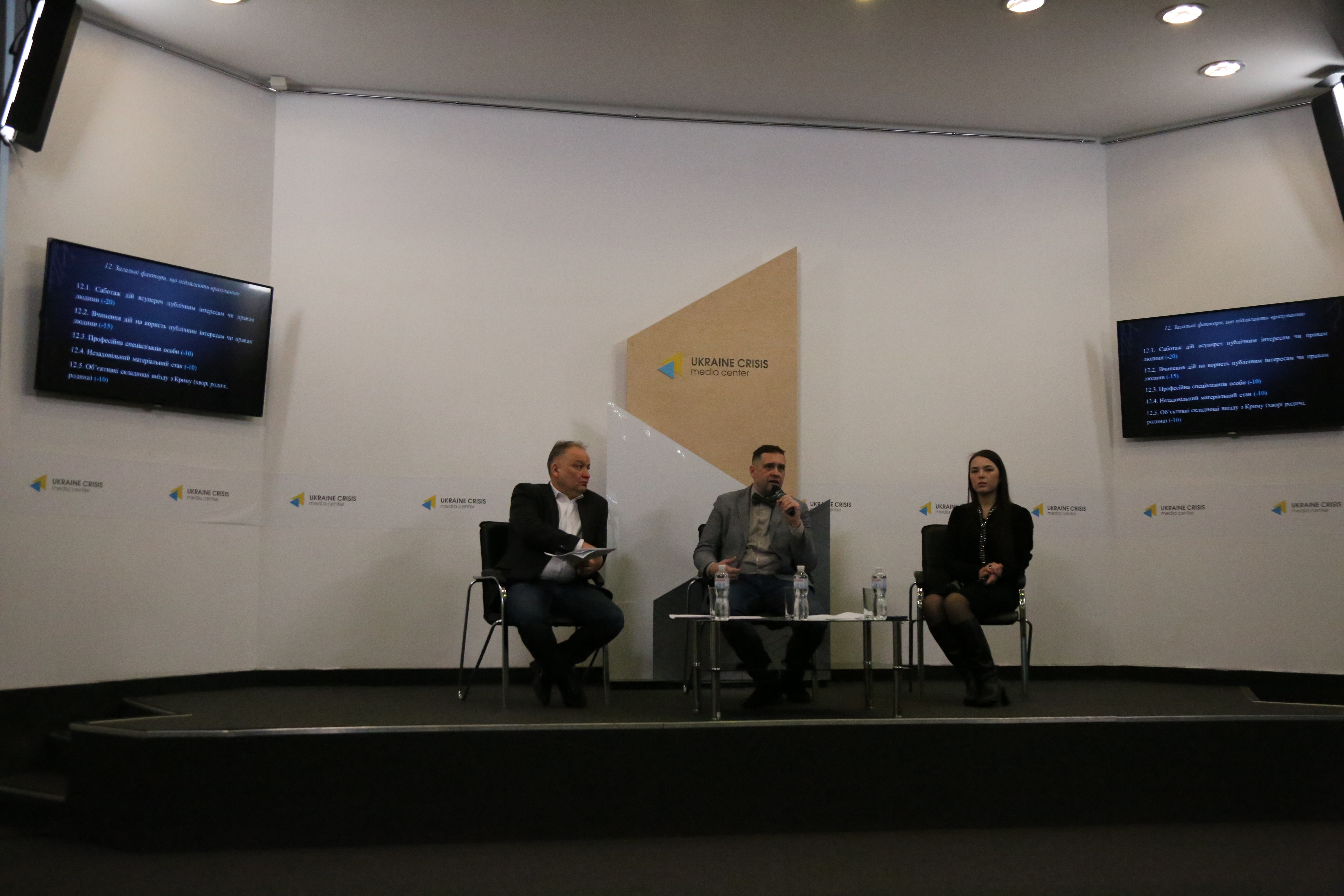
The following speakers took part in the press conference:
Eskender Bariiev – Head of the Crimean Tatar Resource Center, Head of the Department for Legal Affairs and Foreign Affairs of Mejlis of the Crimean Tatar People;
Liudmyla Korotkykh – manager of the Crimean Tatar Resource Center;
Borys Babin – expert of the Crimean Tatar Resource Center, Doctor of Law.
The following questions were proposed for discussion:
– Proposals of the Crimean Tatar Resource Center on the Draft Law On the State Policy of the Transition Period;
– Classification of forms of cooperation with the occupation authorities in Crimea and its criteria;
– The importance of assessing the actions of collaborators for the effective actions of human rights defenders, the state, foreign partners;
– The importance of introducing the concept of collaborationist into the legal field of Ukraine.
The Head of the Board of the Crimean Tatar Resource Center recalled that at the end of December 2020, after 7 years of occupation, the Ministry for Reintegration of the Temporarily Occupied Territories published the draft law On the State Policy of the Transitional Period for review and submission of proposals. He stressed that this initiative needs systematic work, to which the experts of the CTRC are ready to join.
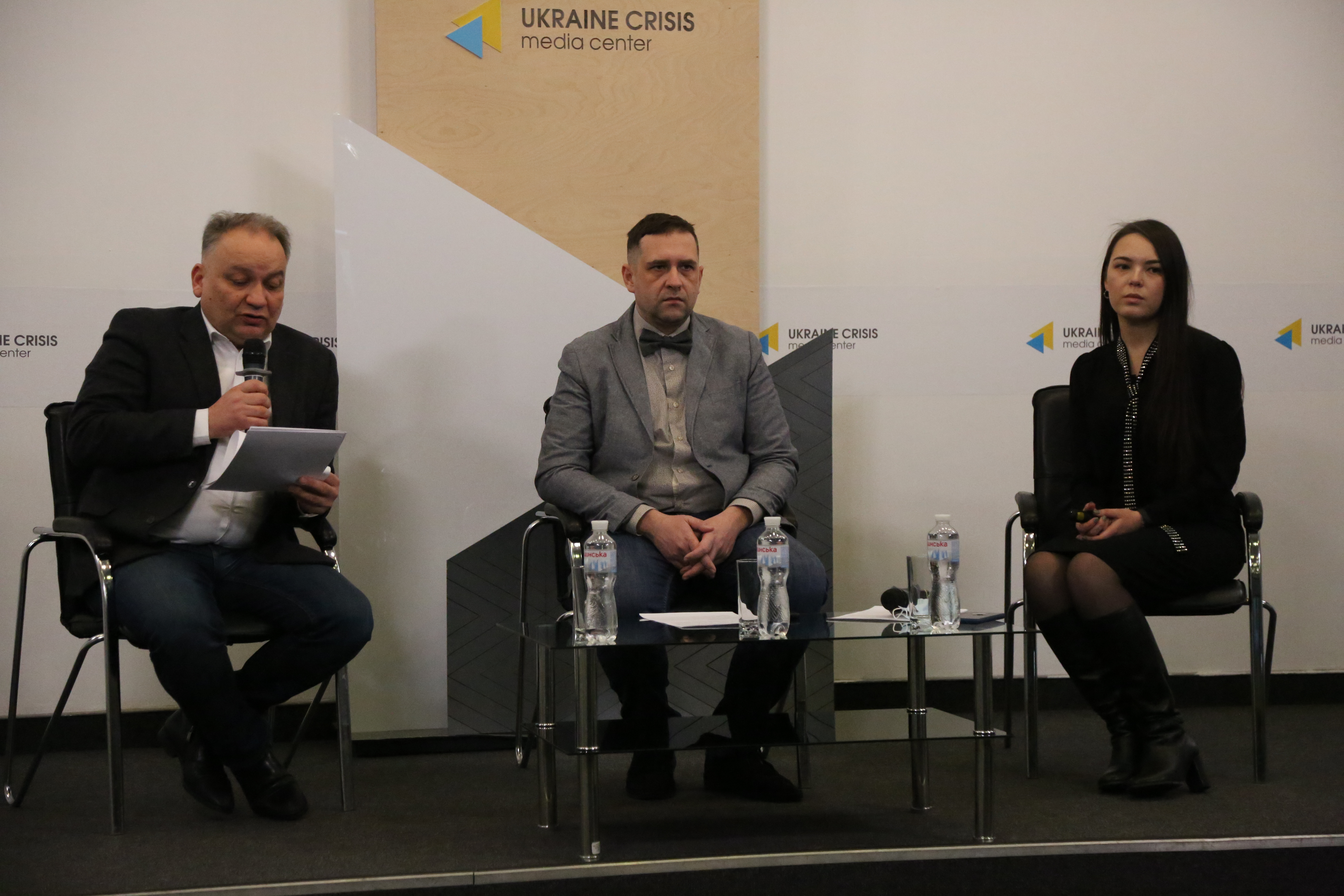
“How can you compare an official or a serviceman who swore an oath to Ukraine and went over to the side of the occupiers and a doctor who took the Hippocratic oath and continues to work and provide medical care to Ukrainians in the occupied territories? What should be the action? How can this be assessed? Now all these questions need an answer. In this regard, the CTRC has developed this methodology, which is an auxiliary tool for people to assess the degree of their collaboration. This classification can be an important tool for sanctions policy, both for Ukrainian state bodies and international organizations”, – said the Head of the board of the CTRC.
According to the experts of the Crimean Tatar Resource Center, it is expedient to assess the forms of collaboration in relation to a particular person with the aim of further responding to his actions by applying a number of indicators of responsibility to him. The combination of such indicators should indicate the need for a person to be included in the sanctions lists and the degree of urgency of such a need in relation to this person.
The following (indicative) indicators are proposed to determine such responsibility in the measurement of sanctions policy, which should be applied in their totality:
1. Citizenship.
2. Legality of staying in Crimea.
3. Special obligations to Ukraine.
4. Termination of obligations to Ukraine.
5. Status in the system of occupation power.
6. Attitude towards the tasks of the occupation power.
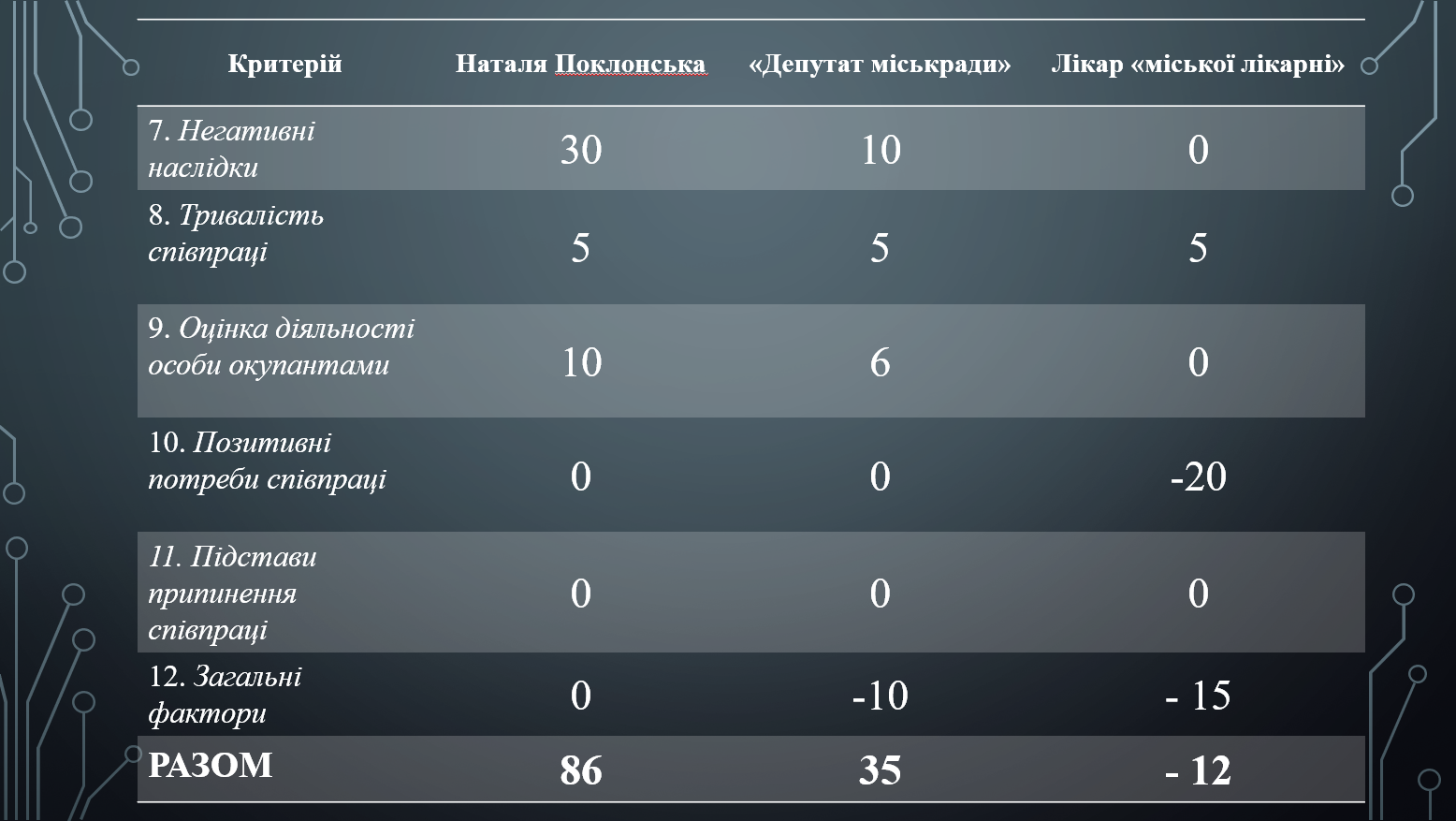
7. Negative consequences of cooperation with the occupiers.
8. Duration of cooperation with the occupiers.
9. Assessment of the activities of the person by the occupiers.
10. Positive needs for cooperation with the occupiers.
11. Grounds for terminating cooperation with the occupiers.
12. General factors to be considered.
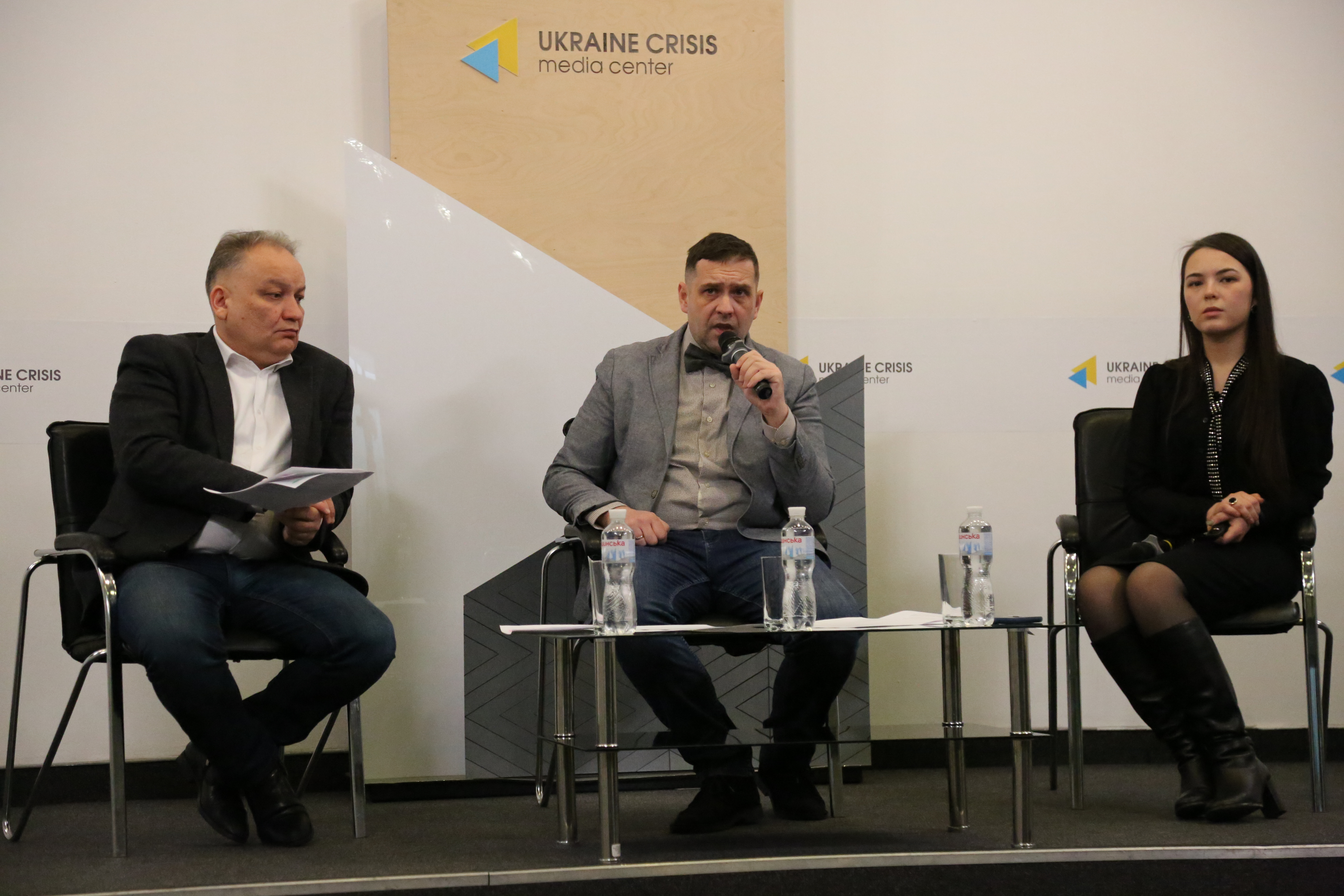
As the manager of the CTRC Liudmyla Korotkykh explained, one of the options is selected to calculate the indicators for a particular person, and in the conditions of the possibility of choosing several options, one is simultaneously selected, which provides the greater number of points. The scores of the indicators from 1 to 9 consist of arithmetic and the scores of the indicators from 10 to 12 are deducted from the resulting number. The maximum number of points you can score is 100, and the red line that you cannot go beyond is 50.
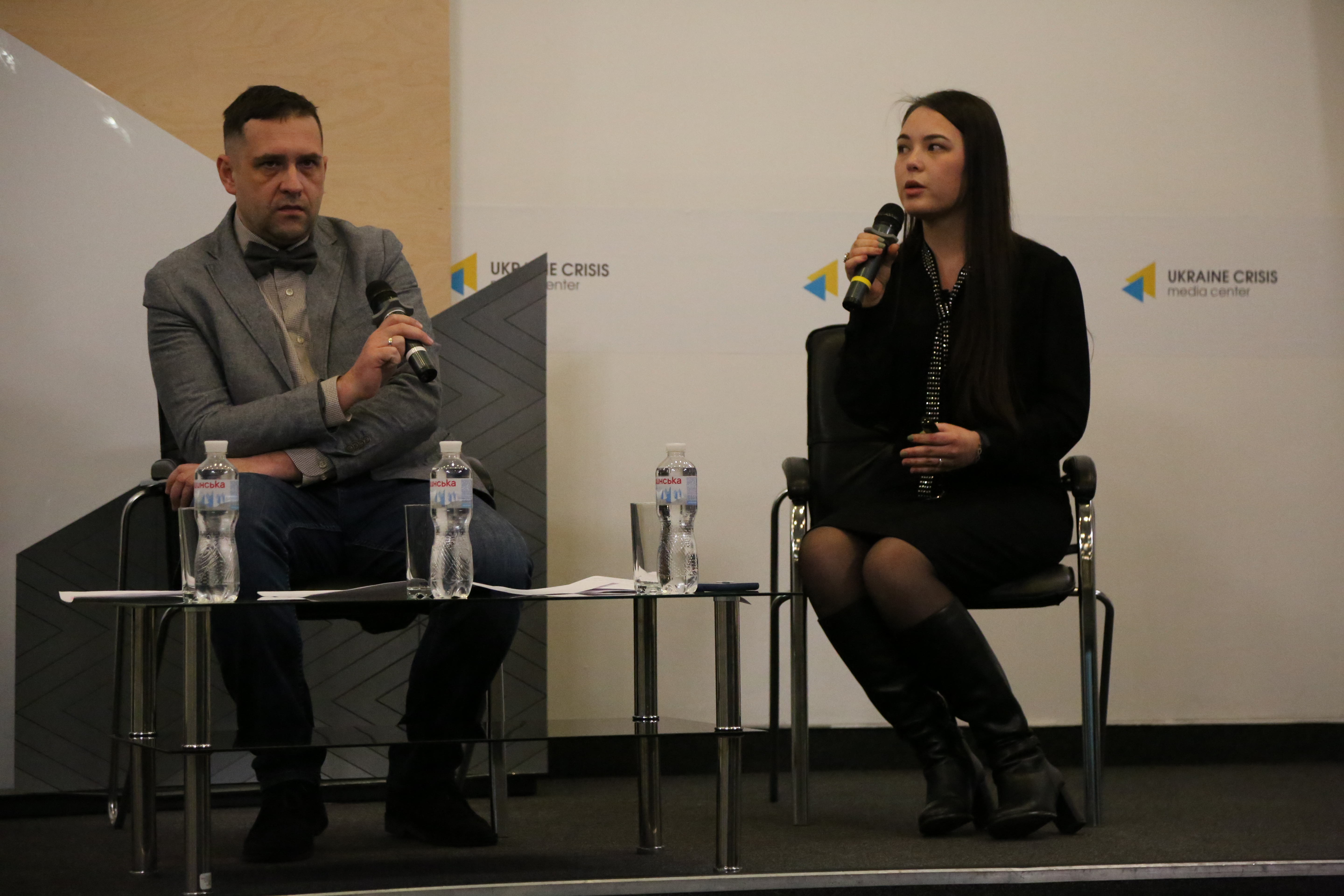
“Speaking of medians, today we take the conditionally number 50, but we are realists and understand that sanctions lists will not consist of hundreds of thousands of people, we are talking about several dozen personalities. Naturally, not all persons who exceed 50 points will be included in the sanctions lists. However, we can argue the advisability of including a specific person on the list because of the high assessment”,- explained Boris Babin.
Representatives of the CTRC, for example, assessed three people in accordance with the developed methodology. The ex-prosecutor of the annexed Crimea Natalia Poklonska received 86 points, the conditional “Deputy of the City Council” – 30, and the conditional doctor of the “city hospital” -17.
.png)
“Already today we must send a message to our citizens in the occupied territories and mark red lines that cannot be crossed. Otherwise, they risk being included in the sanctions lists, and possibly bear responsibility for violation of Ukrainian legislation, just like the citizens of the Russian Federation who continue to grossly violate international law”,- Bariiev added.