


On Monday, August 7, a press breakfast was held at the Musafir restaurant in Kyiv, where the team of the Crimean Tatar Resource Center, representatives of the indigenous peoples of Ukraine and state authorities told the Ukrainian media about the information campaign for the Day of the World’s Indigenous Peoples, as well as about the situation of indigenous peoples of Ukraine.
Speakers were:
Eskender Bariev – Head of the Board of the Crimean Tatar Resource Center, member of the Mejlis of the Crimean Tatar people
Tetiana Savchuk – Communications Manager of the CTRC
Refat Chubarov – Chairman of the Mejlis of the Crimean Tatar people
Olena Arabadzhi – a representative of the Karaite people
Viacheslav Lombroso – representative of the Krymchak people
Larysa Voloshina – journalist
Vladyslav Berkovskyy – Executive Director of the Ukrainian Cultural Foundation
Mustafa Dzhemilev – leader of the Crimean Tatar people
More than 10 journalists from such media as Suspіlne, Freedom, Kyiv24, Espresso, ATR, QirimNews and others joined the event.
At the press breakfast, Eskender Bariiev spoke about the activities of the CTRC in the field of implementation of the rights of indigenous peoples, in particular, that the representatives of the organization systematically inform the international community about the situation of the indigenous peoples of Ukraine.
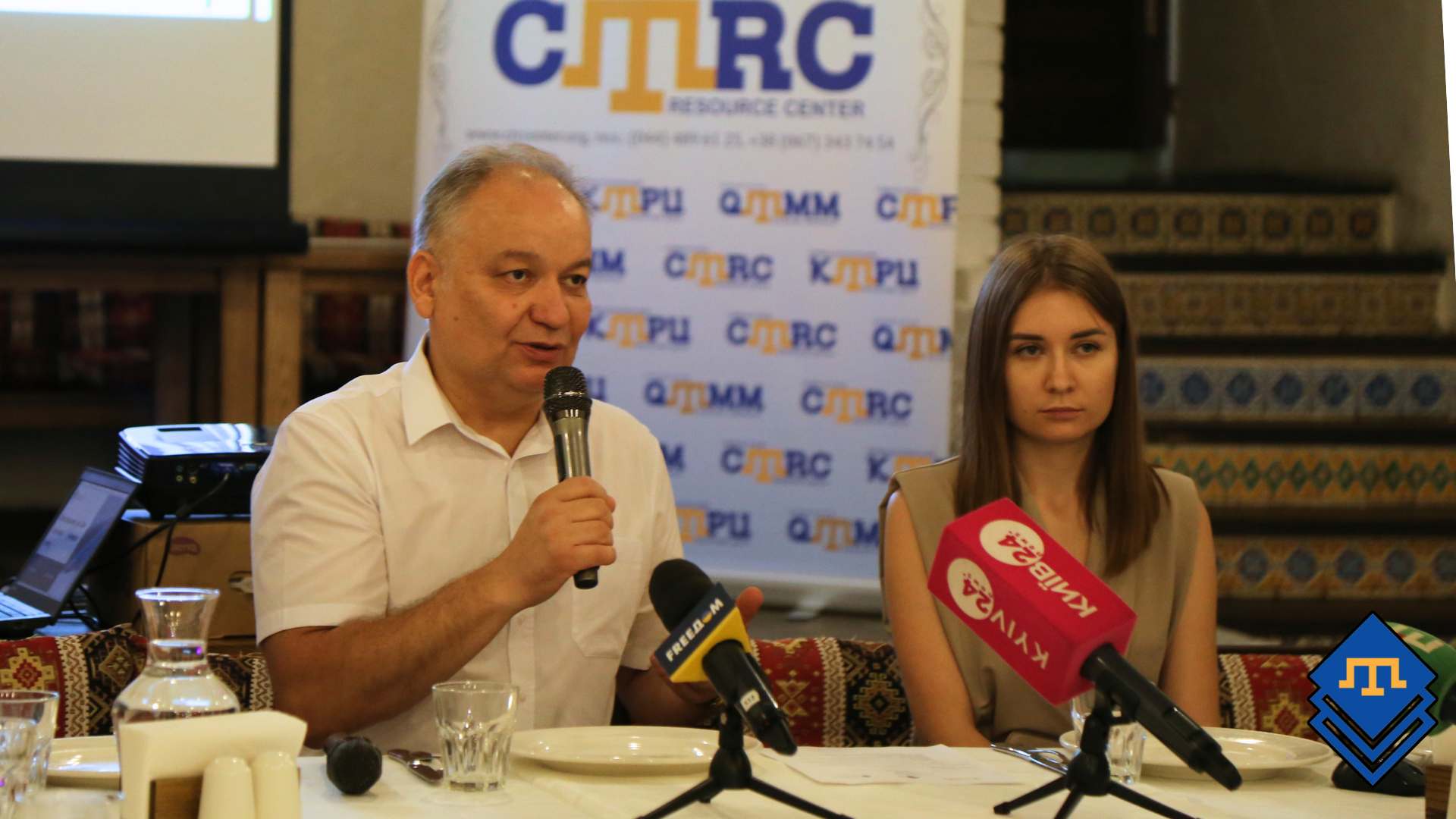
“From our side, we are talking about activities that aim to work at the international level: participation in UN discussions on indigenous issues, participation in the expert mechanism on indigenous issues, participation in other international mechanisms”,- he explained.
Tetiana Savchuk presented visual information products that were prepared by the Crimean Tatar Resource Center for the Day of the Crimean Tatar flag as part of the #LIBERATECRIMEA information campaign: posters, video, infographics, test, mask.
In the future, all invited speakers had the opportunity to express their thoughts on the situation of the indigenous peoples of Ukraine, opportunities and challenges.
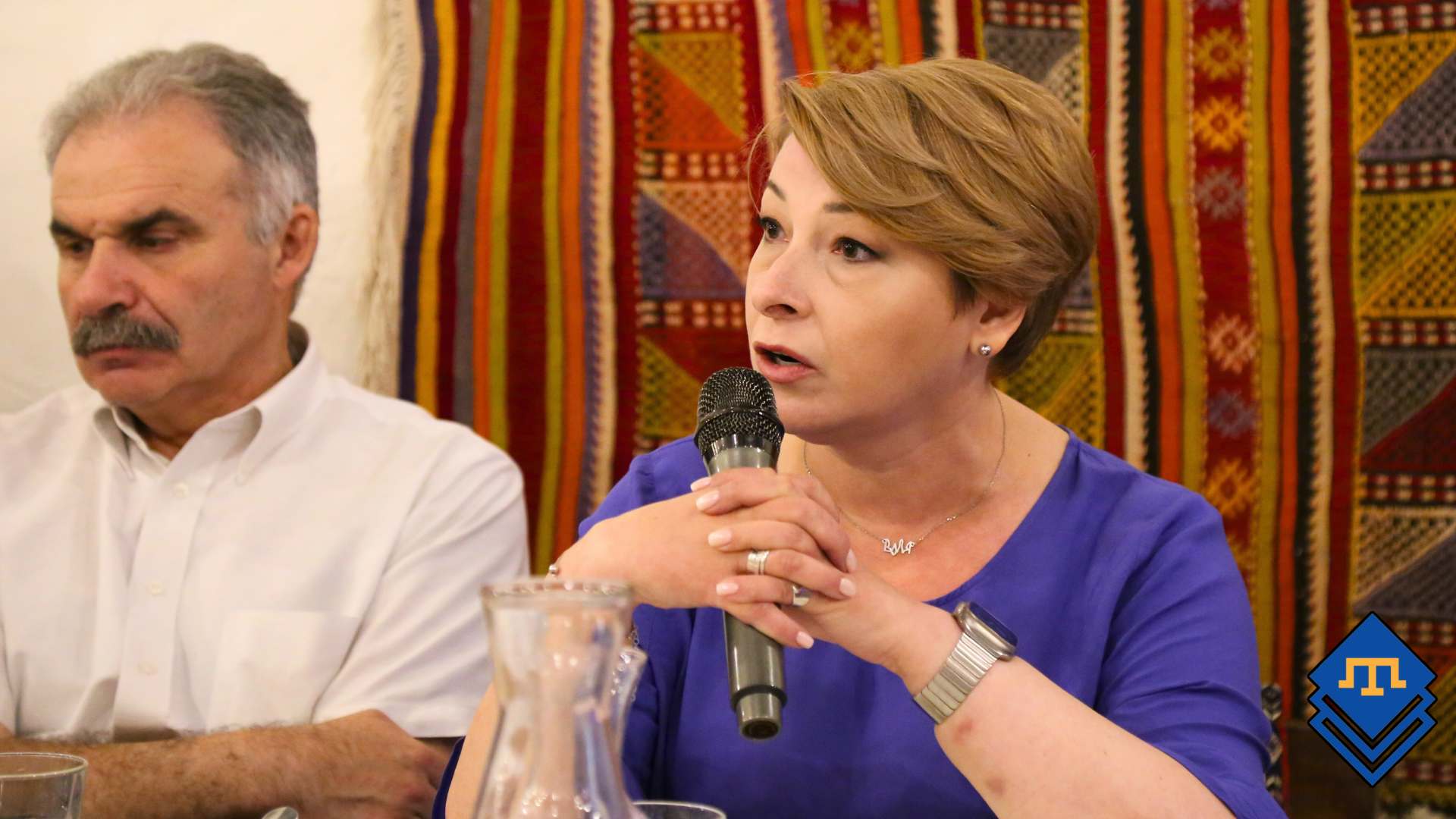
“You can’t treat Crimea like an ordinary Ukrainian region – it will never be ordinary. It is historically unique. The indigenous peoples of Ukraine cannot cope without the Ukrainian state, and the Ukrainian state cannot cope without the indigenous peoples of Ukraine. I think that we need to have training programs in Crimea at journalism institutes”,- said Larysa Voloshyna.
Viktor Yelenskyy noted that the indigenous peoples of Ukraine are part of the state-forming nation and process. In this sense, indigenous peoples are the operation of a culture of life and freedom that is now opposed to the anti-culture of slavery and death.
“Indigenous peoples of Ukraine were formed in the Crimea. Crimea is now under occupation, which we believe and know is temporary. We must not forget and express our solidarity with those representatives of the indigenous peoples of Ukraine who are now in prisons, under investigation”,- he explained.
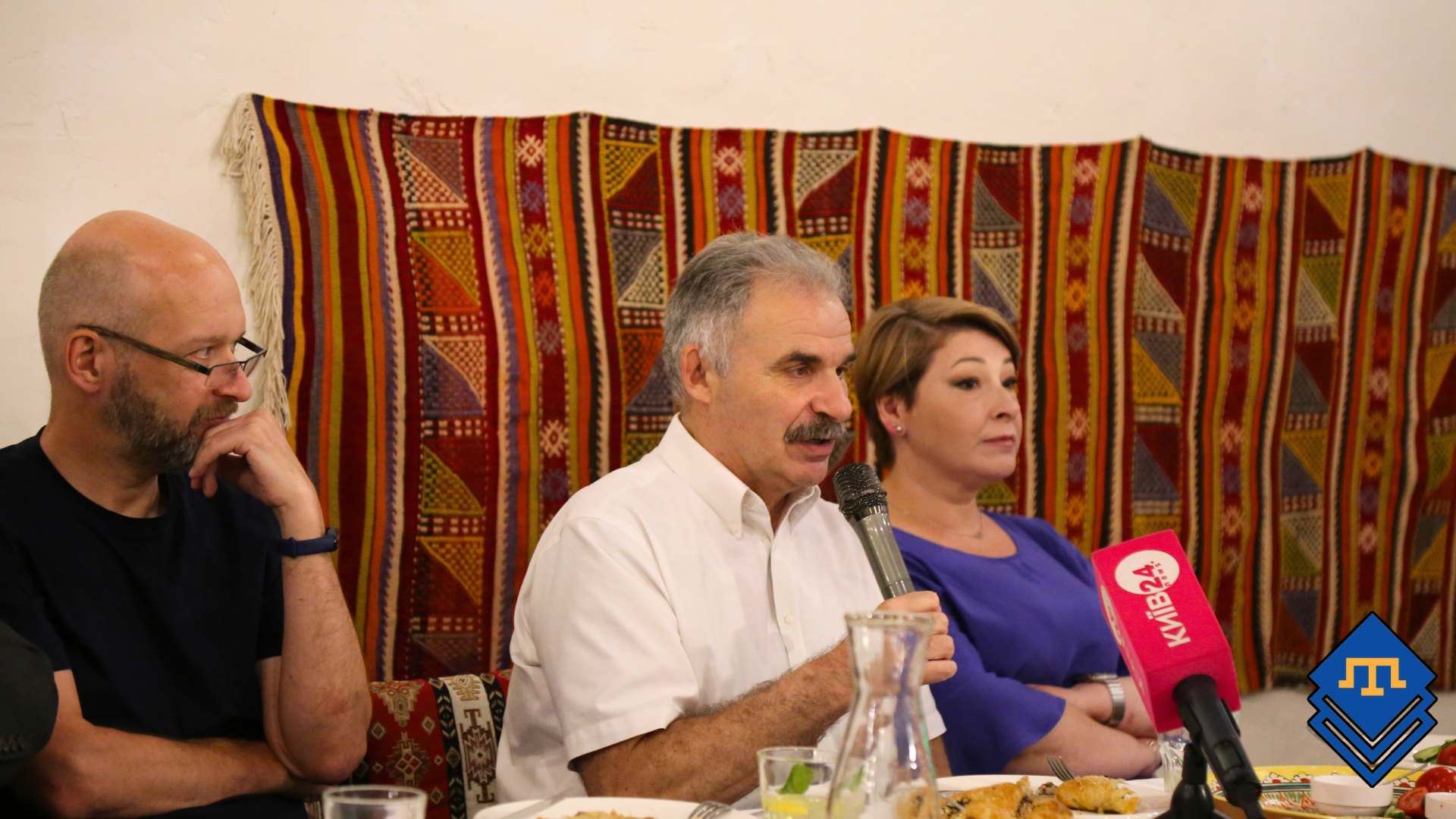
Refat Chubarov stressed that representatives of the indigenous peoples of Ukraine would like to have the support of journalists, and not only Ukrainian journalists, in covering the issues of the future of Crimea.
“The future of Crimea should solve two problems: it is the strengthening of the Ukrainian state and the guarantee of the preservation and development of the indigenous peoples of Ukraine,” he said.
Representatives of the Ukrainian media had the opportunity not only to listen to the speakers, but also to become active participants in the discussion and ask important questions.
We continue to work to bring the de-occupation of Crimea closer!
Look forward to new activities!
You can learn more about the #LIBERATECRIMEA campaign on our landing page.
The #LIBERATECRIMEA campaign was presented by the Crimean Tatar Resource Center as part of its project implemented under the USAID/ENGAGE activity, which is funded by the United States Agency for International Development (USAID) and implemented by Pact. The contents of this campaign are the sole responsibility of Pact and its implementing partners and do not necessary reflect the views of USAID or the United States Government.