

Analytics show that the number of Russian soldiers surrendering is constantly growing. In less than a year in 2025, the Ukrainian side captured more Russian Armed Forces soldiers than in 2022 and 2023 combined. On average, 60–90 people surrender each week, with the peak recorded in August 2024 — up to 350 Russian soldiers per week. Since June 2023, Russian soldiers have been captured more often than Ukrainian soldiers — by the Russians.
The largest number of Russian prisoners of war was recorded in the Pokrovsk and Bakhmut areas of Donetsk Oblast, as well as in Kursk Oblast and the Polohivskyi district of Zaporizhzhia Oblast.
The report pays special attention to foreign mercenaries. In 2025, their number among prisoners increased significantly: on average, 2–3 citizens of other countries are captured every week. In total, foreigners account for almost 7% of all prisoners of war in Ukraine and represent more than 40 countries around the world.
According to the project, the typical portrait of a Russian prisoner of war is a soldier or sergeant (over 96% of cases). The highest rank recorded is colonel. The age of prisoners ranges from 18 to 65. About 76% are contract soldiers, including former prisoners and PMC fighters, and another 19% are mobilized. Almost a quarter of the prisoners said they were deceived or forced to participate in the war.
It is also noted that 40% of prisoners have criminal records, most often for theft, drug-related crimes, robbery, and violent acts. Only 7% have higher education, while a significant portion did not finish school. Before the war, more than a third of them were unemployed.
As part of the exchanges, Russia returned just over 6,000 prisoners of war, more than half of them in 2025. At the same time, at least 237 former prisoners are known to have died or gone missing after being sent back to the front. Four Russian soldiers are currently being held captive for the second time.
The “I Want to Live” project also emphasizes that Russia takes a selective approach to the exchange process, giving preference to ethnic Russians and residents of central regions, while representatives of national republics and foreigners are often not asked to participate in the exchange. The Russian side usually ignores the wounded, the sick, and those who have been in captivity for more than a year, refusing for the fourth year in a row to accept the “all for all” exchange formula.
These data indicate that mobilization in Russia, both on its territory and in the temporarily occupied territories of Ukraine, is not only continuing but also gaining momentum.
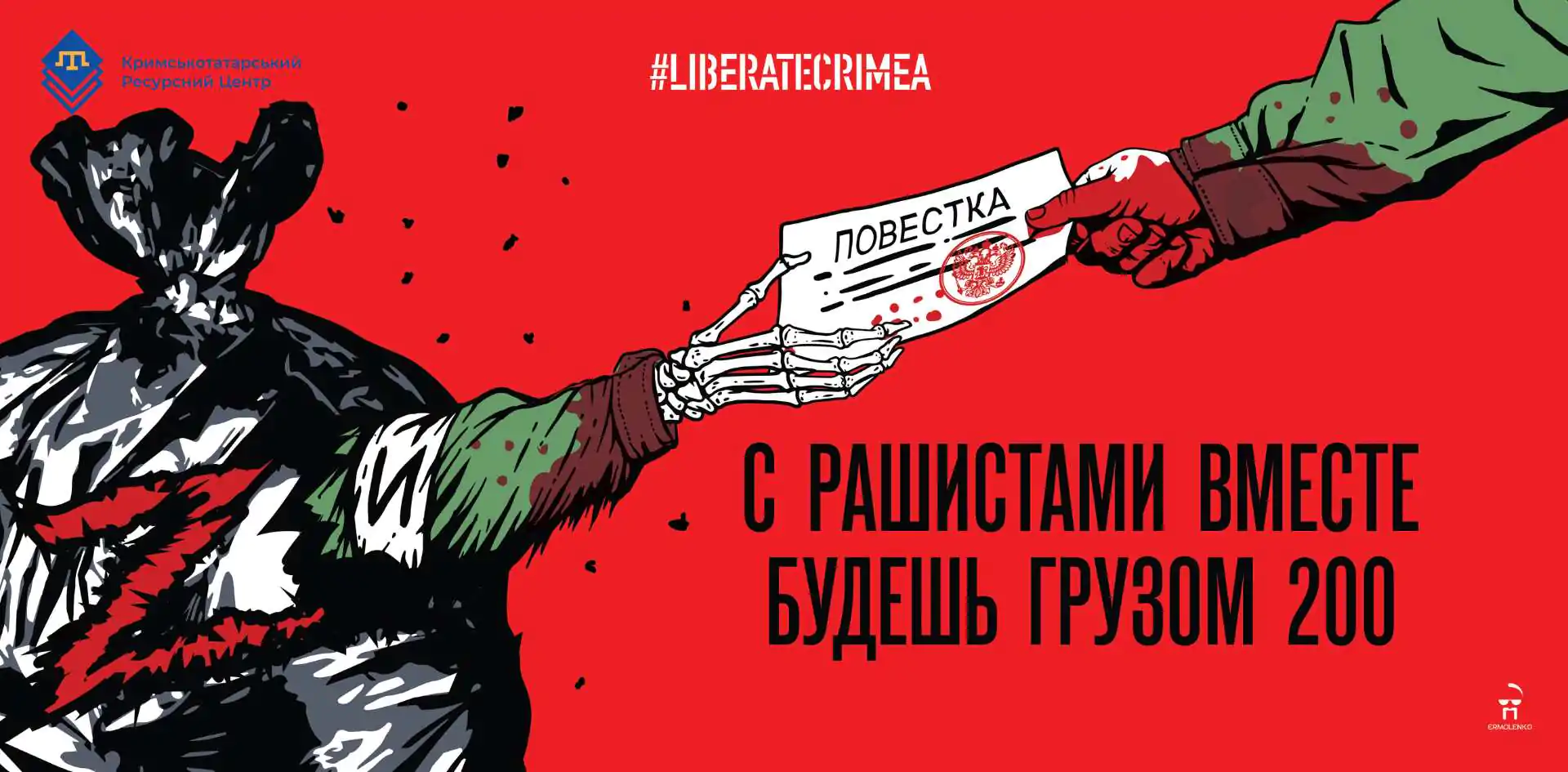
We would like to remind you that the Crimean Tatar Resource Center is continuing its “Mogilization” campaign, which informs residents of the occupied territories of Ukraine about how to avoid mobilization, what to do if they receive a draft notice, how to safely leave for third countries, and so on.
As part of the “Mogilization” campaign, we are distributing infographics, pieces of advice, and video materials:
“What to do if you are mobilized?”
“How to leave the occupied territories of Ukraine through third countries?”
“What to do if you receive a draft notice?”
“How to sabotage mobilization?”
Video “Mobilization in Crimea: better to go to prison than die as a criminal” and other materials.
Details: https://ctrcenter.org/uk/