

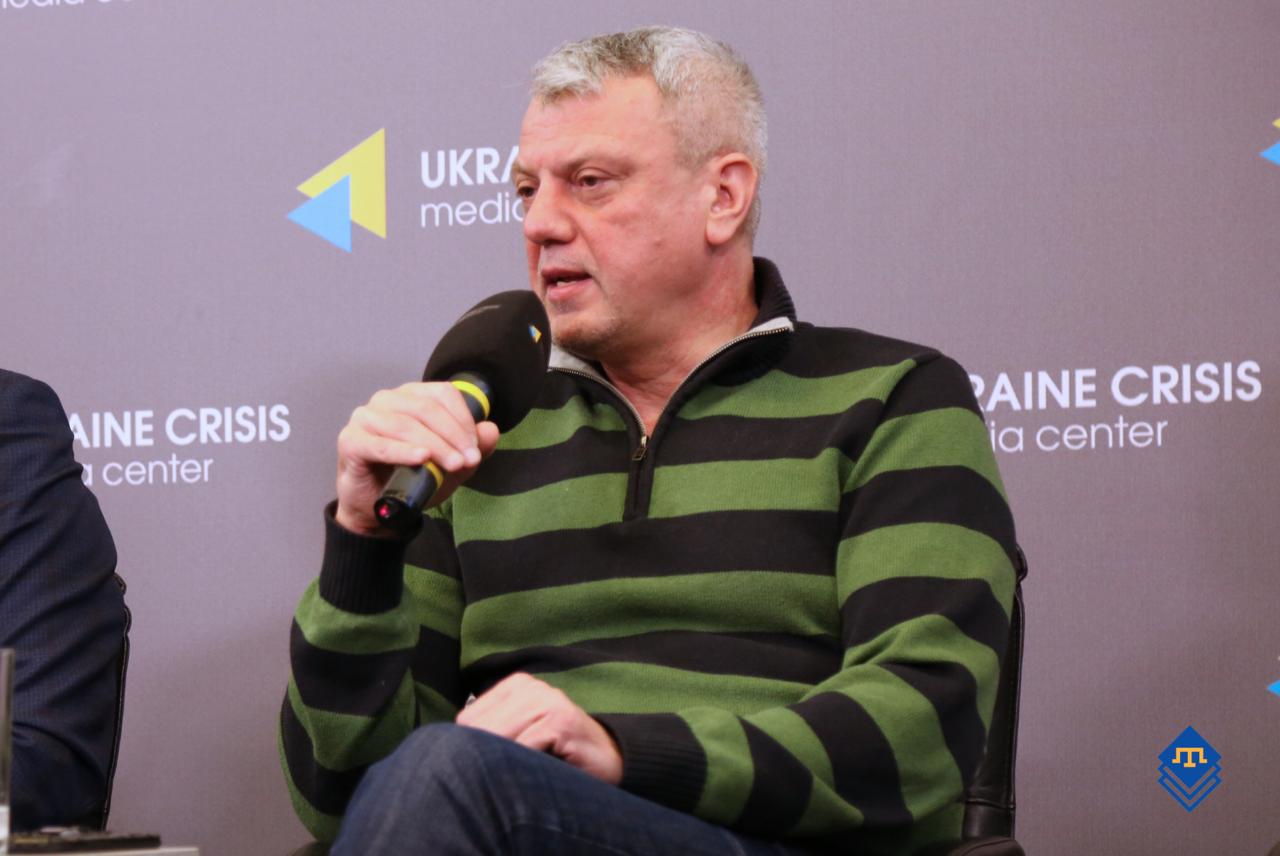
Human rights activist and expert of the Crimean Tatar Resource Center Volodymyr Liashenko drew attention to a critical issue during his speech at the press conference “Crimea behind brackets. Is there a chance to liberate Crimean political prisoners?” drew attention to a critical problem: a significant number of released political prisoners cannot leave occupied Crimea or Russian territory due to the lack of Ukrainian documents and the occupiers’ refusal to recognize them as citizens of Ukraine.
“This is indeed a very complex problem, and it is directly related to the fact that the occupation of Crimea has been going on for 12 years now. Since 2016, the identity verification system in Ukraine has been linked to the Unified Demographic Register, and for most Crimeans, the information in this register is simply missing.”
He separately highlighted the problem concerning the Crimean Tatars:
“A significant part of the Crimean Tatars were born outside Crimea, in places of deportation. Data on them is missing not only from the Unified Demographic Register, but also from the registry office.”
Liashenko explained that after being released from places of detention, people face a new barrier, because the Russians take away their Ukrainian passports, destroy them, or say that “we did not take it from you.” After that, they declare that the person needs to be “re-identified.”
The problem is exacerbated by Ukraine’s cancellation of the agreement on the rules of stay for citizens of both states, which Russia continues to refer to:
“Russia declares: if you do not have all the necessary documents, then you are not citizens of Ukraine. This means that you are citizens of the Russian Federation or those whom they deport to wherever they deem necessary.”