



Eskender Bariiev emphasized that the CTRC has been conducting systematic work for many years, documenting violations of the individual and collective rights of the indigenous Crimean Tatar people, including in the newly occupied territories where Crimean Tatars, Crimean Karaites, and Krymchaks live in compact communities.
The CTRC has its own classification of human rights violations, criteria for determining political prisoners in Crimea, and an interactive diagram, “Victims of the Occupation of Crimea,” which allows for the rapid collection of up-to-date information and comprehensive analysis of the scale of repression.
“Our list of political prisoners in Crimea is the most complete, although not exhaustive. There are more than 70 cases that we cannot disclose publicly at the request of the victims’ relatives and friends, so as not to put people in danger,” Bariiev said.
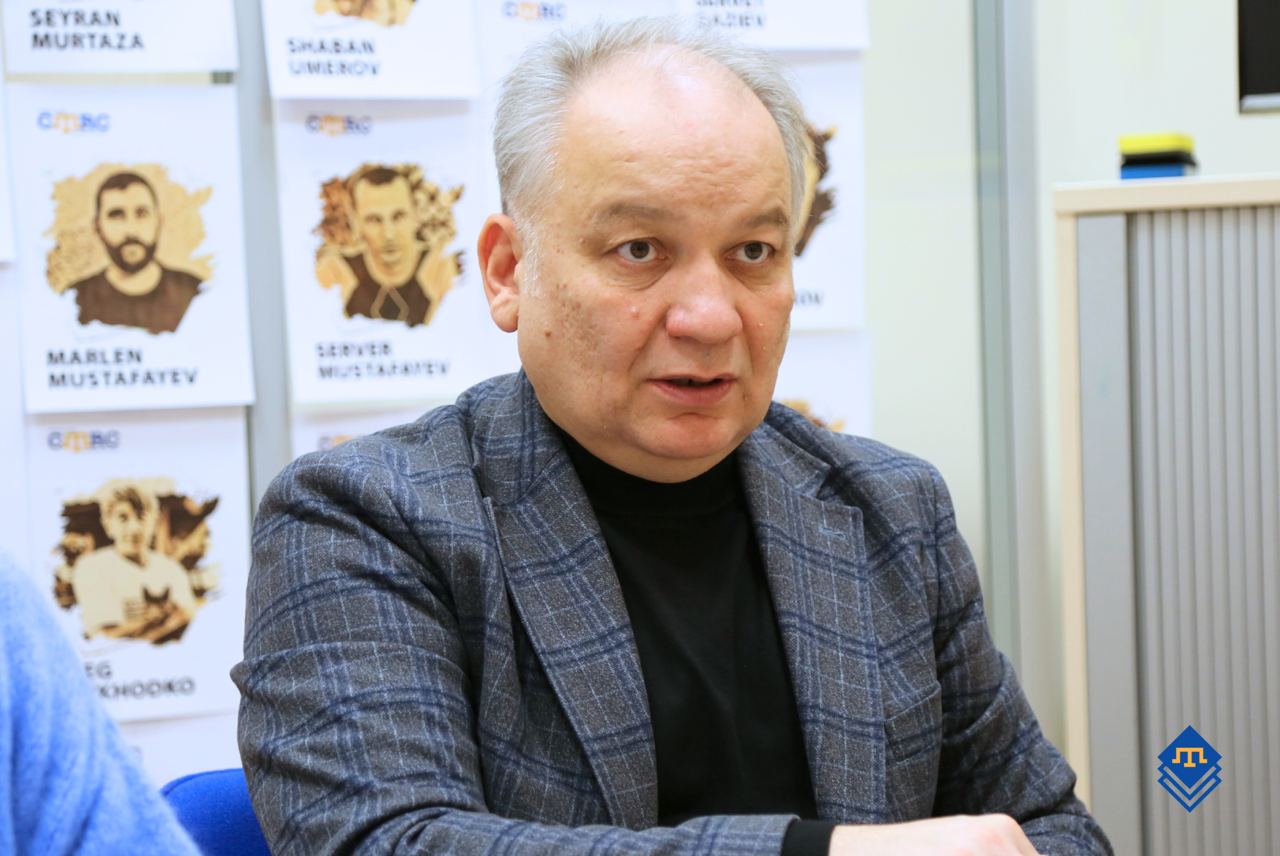
He outlined the latest trends in persecution in occupied Crimea and the newly occupied territories of the Kherson and Zaporizhzhia regions. In particular, the occupiers are holding people incommunicado — when a person is kidnapped and their relatives do not know where they are or what they are accused of for a long time. Relatives of detainees are increasingly silent because during searches, the occupiers promise release in exchange for silence, but this never happens.
Speaking about this trend, representatives of the CTRC called for the creation of an effective mechanism for rapid response in cases of enforced disappearances. They stressed that thanks to the timely response and coordinated work of the CTRC, 86 people have been released or their whereabouts established since 2022.
The first cases of Crimean political prisoners being stripped of their Russian citizenship have also been recorded, which creates the danger of their deportation after serving their sentences — in particular to Uzbekistan or Tajikistan, where previously deported Crimean Tatars were born.
“In 2025, Russia began to deprive people of their citizenship — this is a new form of political repression.
The CTRC has already recorded the first cases of political prisoners being stripped of their citizenship. This move creates the threat of their deportation after serving their sentences to their places of birth—the countries of Central Asia, where Crimean Tatars were deported in 1944,” Bariiev explained.
CTRC manager Zarema Bariieva drew attention to the fact that the Russian occupation authorities continue to practice mass persecution of Crimean Tatars on various fabricated criminal charges.
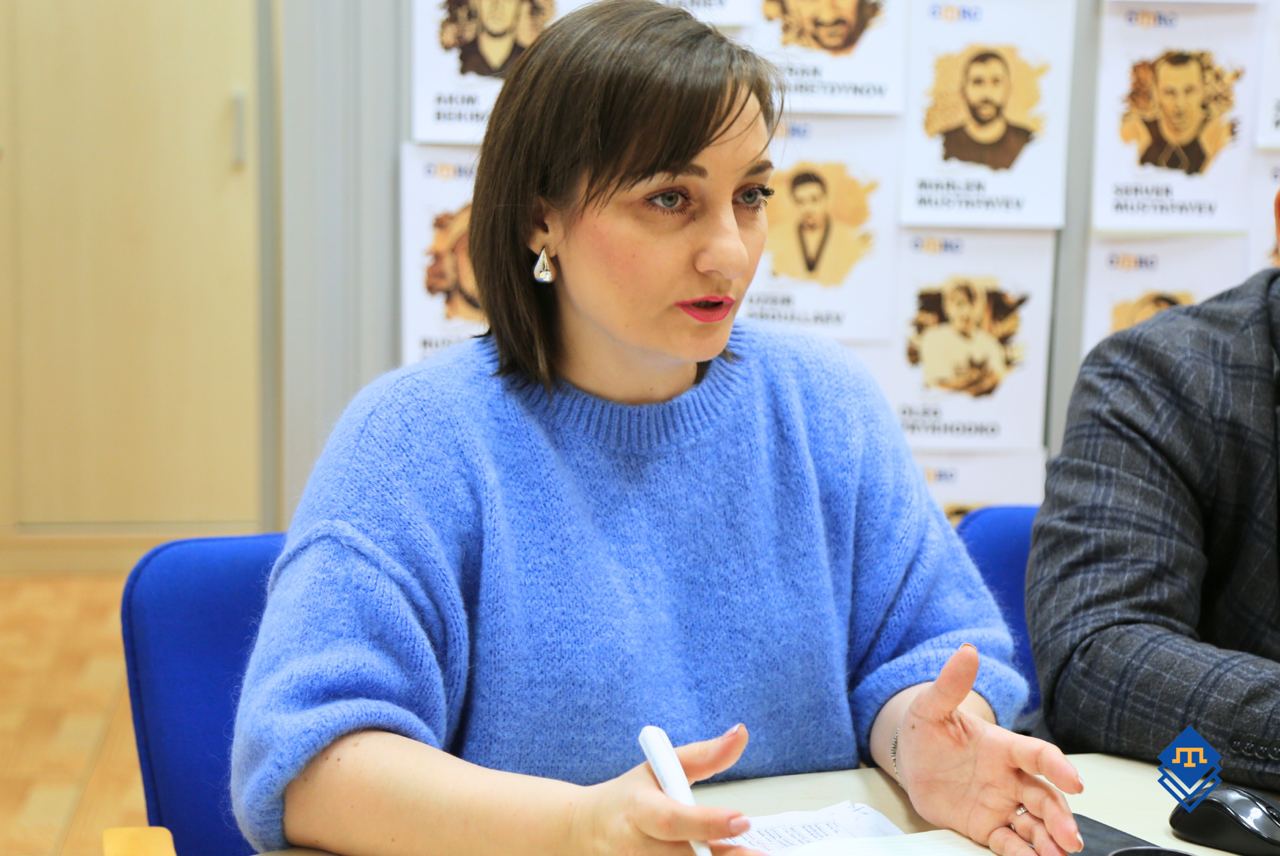
Bariieva stressed that, unfortunately, no one convicted in the “Hizb ut-Tahrir case” has yet been released as part of exchanges, which indicates a deliberate discriminatory policy of the Russian Federation against Crimean Tatars. As a result, the relatives of political prisoners often lose faith and stop fighting because they see no results.
According to the human rights activist, the occupiers are increasingly trying Crimean Tatar military personnel under civic articles, which distorts the legal classification of cases and allows the occupation courts to avoid complying with the Third Geneva Convention and the norms of international humanitarian law. As an example, she cited the recent case of Ukrainian Armed Forces serviceman Eskender Kudusov, who was illegally sentenced as a civilian to 29 years and 6 months in a strict regime colony.
The meeting also highlighted the total control of the information space in Crimea — the occupying authorities ban most messengers and block communications, making it difficult to communicate with the inhabitants of the peninsula. Instead, the occupiers are actively promoting the new Russian messenger MAX, trying to convince the population of the temporarily occupied Crimea that it is a supposedly safe alternative to Telegram and WhatsApp.

To intimidate the CTRC itself;
To intimidate residents of the occupied territories so that they are afraid to share information;
To prepare the ground for the possible recognition of the CTRC as an “extremist” or “terrorist” organization and further persecution of its employees;
At the end of the meeting, the CTRC proposed a number of areas for further cooperation, in particular:
The development of an Action Plan to improve the situation of indigenous peoples in the OSCE region;
Developing a UN humanitarian response plan for indigenous peoples from areas of inter-state conflict;
Promoting the involvement of mediating countries bordering the Russian Federation — Kazakhstan, Georgia, and Azerbaijan — to resolve the issue of returning Crimean political prisoners to Ukraine after serving their sentences.
The CTRC also drew attention to the importance of finalizing the legal status of the Mejlis of the Crimean Tatar people as the representative body of the indigenous people of Ukraine by the Cabinet of Ministers of Ukraine.