
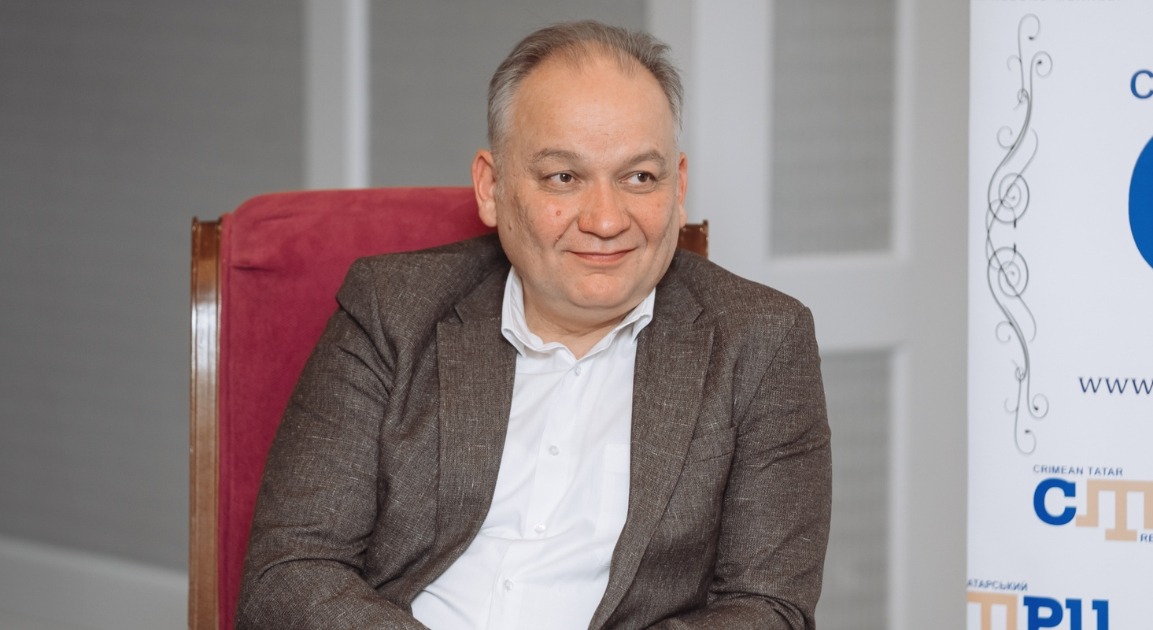
“At the end of October, all of Russia’s central media outlets actively spread information that they had gained access to the Crimean Tatar Resource Center’s information and my wife Zarema Barieva’s personal page,” – Bariiev noted.
According to him, the provocation was carried out by the hacker group KillNet, which had previously attacked the websites of NATO, EU, and Western and Ukrainian defense agencies. On Telegram, the same people from different accounts, KillNet, KillNet Support, and KillMilk, tried to threaten the manager of the Crimean Tatar Resource Center, Zarema Bariieva.
Russian propaganda outlets, including RIA Novosti, Lenta.ru, Lenta Kryma, Gazeta.ru, Vechernyaya Moskva, Vesti.ru, rambler.ru, Izvestia, Novosti.Mail, Tsargrad.TV, Life.ru, and others, spread misinformation about the CTRC. In particular, they claimed that:
The CTRC was recruiting people from different regions of Russia for destabilization activities, and hackers had collected the addresses of Crimean residents with whom they had corresponded;
The Crimean Tatar Resource Center is funded by the Soros Foundation.
The most scandalous organization is known for proposing to rename the cities and villages of Crimea, indicating this not only in Ukrainian documents, but also on the maps on the Internet.
The Chairman of the CTRC board is a member of the Mejlis of the Crimean Tatar People, which is banned in Russia, known for many scandalous statements of a nationalist nature.
“It is clear that this is a planned large-scale information operation by the FSB aimed at discrediting the Crimean Tatar Resource Center, intimidating the residents of Crimea, and severing communications with the residents of the peninsula,” – Bariiev emphasized.
After checking, it turned out that the hackers did not obtain any confidential information, because there simply was none.
At the same time, according to Bariiev, this “special operation” showed which topics are most sensitive for the occupiers:
Information about the violent disappearances and criminal prosecutions of Ukrainian citizens by the occupiers, which the Russians are trying to hide.
The process of restoring the historical toponymy of Crimea, which, unfortunately, is progressing very slowly in Ukraine due to the failure of some Ukrainian officials to understand the importance of dismantling the ideology of the “Russian world.”
The protection and implementation of the rights of the indigenous peoples of Ukraine, which is also a strong blow to the ideology of the “Russian world,” for which the occupiers call me a nationalist.
The active participation of representatives of the Mejlis of the Crimean Tatar people on international platforms.
Support for indigenous peoples by international organizations and partners.
“Thank you for advertising and promoting the Crimean Tatar Resource Center among 145 million Russians plus the occupied territories of Ukraine. Everyone knows how expensive advertising is — this time, all the costs were covered by the Russian Federation,” – the Chairman of the CTRC board summed up ironically.
Bariiev also noted that after this “advertising,” the CTRC began to receive even more inquiries — now not only from the occupied territories, but also from the Russian Federation itself.