


The Crimean Tatar Resource Center team participated in the first educational interactive session organized by the Global Network of Indigenous Peacebuilders, Negotiators and Mediators. The event was dedicated to the topic of rapid peace negotiations, with a special focus on indigenous approaches to dialogue and mediation based on traditional practices.
During the session, participants listened to Mark Freeman, founder and executive director of the Institute for Integrated Transformation (IFIT), who spoke about “fast track negotiation” approaches. In addition, all those present joined an interactive discussion on the experiences and approaches to peacebuilding of various indigenous peoples around the world.
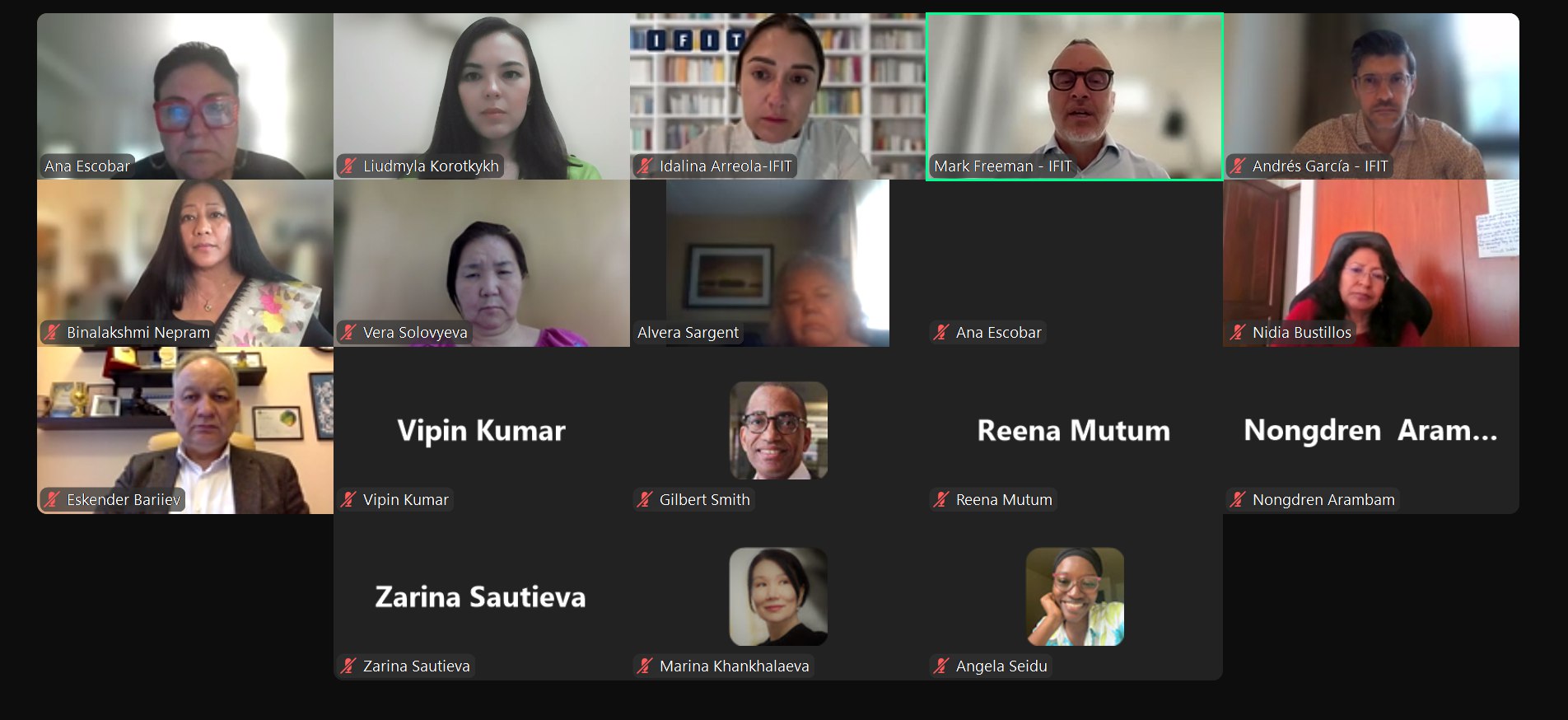 From the Crimean Tatar Resource Center the event was attended by Eskender Bariiev, Chairman of the Board of the CTRC, member of Mejlis of the Crimean Tatar people, Zarema Bariieva, manager of the CTRC, and Liudmyla Korotkykh, lawyer of the CTRC.
Eskender Bariiev emphasized the importance of a systematic approach to sharing experience in peacebuilding.
“A very important event, because the initiative itself – systematic lectures and discussion of peacebuilding and mediation experience – is extremely valuable. We have listened to the opinions and experience of our colleagues and we are convinced that sharing such information helps to make more effective use of already existing positive practices. For our part, we will also prepare lectures and develop ideas on how the Crimean Tatar people, as the indigenous people of Ukraine, influence the acceleration of peace in our land,” – he said.
Zarema Bariieva emphasized the importance of indigenous peoples’ participation in peace processes:
“In a world where most of the wars take place in the territories of indigenous peoples, it is very important that representatives of these peoples become equal participants in peace negotiations, so that their collective rights and interests are taken into account and guaranteed. Familiarization with the study “Fast-Track Negotiation: A White Paper” conducted by Mark Freeman allows us to look at these processes from different angles, to take into account all the weaknesses and strengths in order to achieve sustainable peace during any particular peace negotiation. For my part, I invited the participants of the meeting to study not only the theory but also the experience of peaceful conflict resolution in different parts of the world.
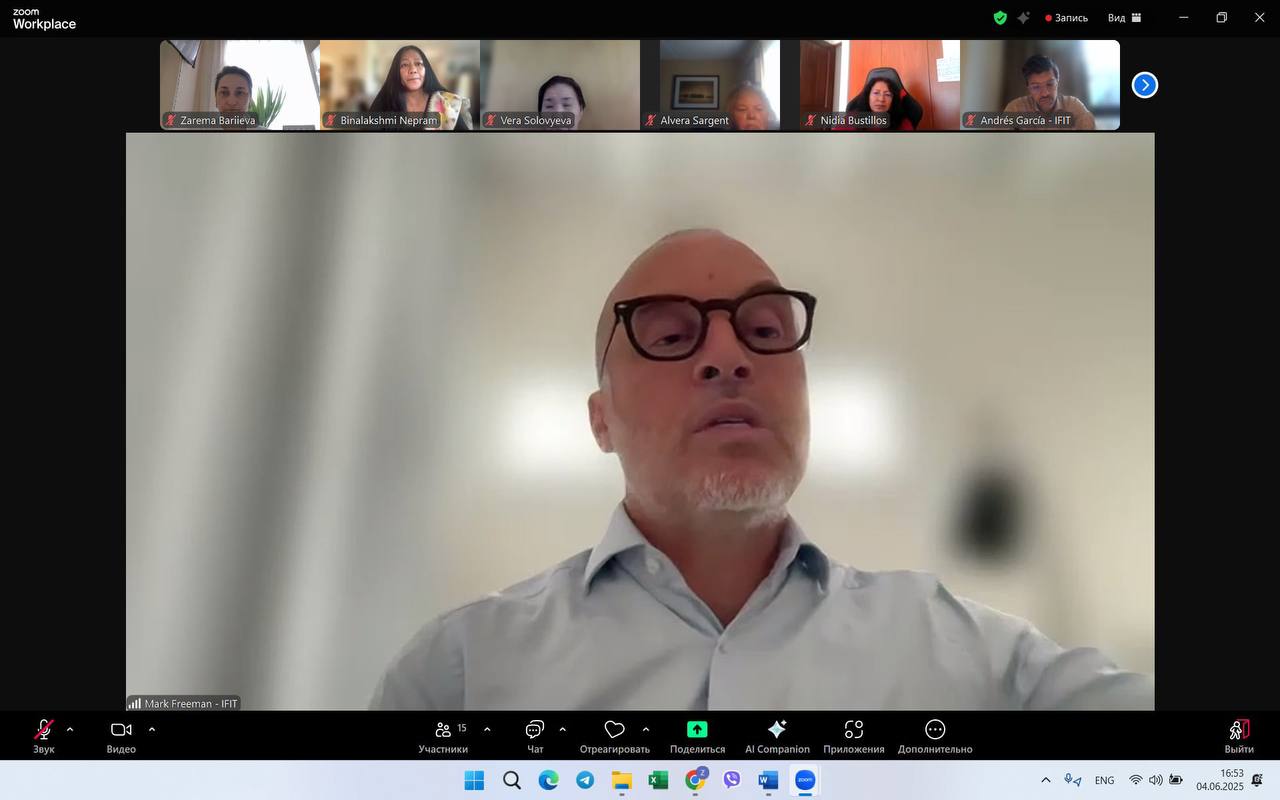
She also added that today many democratic countries of the world, on their part, promote peace negotiations on Ukraine, but it is important that these negotiations take place not behind the backs of the indigenous peoples of Ukraine and, in particular, the Mejlis, the representative body of the Crimean Tatars, but taking into account their interests and guaranteeing the realization of their collective rights.
Liudmyla Korotkykh emphasized that it is important for indigenous peoples that any mechanisms, including fast track, take into account their collective rights, the principles of self-determination and the right to participate in decision-making processes at all levels – in accordance with the UN Declaration on the Rights of Indigenous Peoples.
“Only with the full and equal participation of indigenous peoples in peace processes can true transformation and sustainable peace be achieved. That is why it is important that indigenous peoples are properly involved in all negotiation processes, from peacemaking in Ukraine to global decisions related to climate change adaptation. This is actually the goal of the ongoing process of increasing indigenous peoples’ participation in the UN system, in which we are directly involved,” – she explained.
Such initiatives are an important platform for sharing knowledge and building a global community of indigenous peoples united around the idea of peaceful coexistence and the protection of the rights of their peoples.