


On Wednesday, July 26, the Crimean Tatar Resource Center at the Ukrinform news agency held a presentation on the topic Fakes about NATO in the occupied Crimea, during which the speakers spoke about the trends in the spread of fake information in the temporarily occupied Crimea in the last months of 2023.
Speakers were:
Eskender Bariiev – Head of the Board of the Crimean Tatar Resource Center, Head of the Department for Legal and Foreign Affairs of Mejlis of the Crimean Tatar people
Serhii Parkhomenko – manager of the Crimean Tatar Resource Center
Beata Patasova – Project Manager for Russia and Eastern European Partner Countries, NATO Headquarters Public Diplomacy Division
Moderator: Tetiana Podvorniak – Communications Manager of the Crimean Tatar Resource Center
“The spread of fakes is extremely dangerous. With the help of fake news, you can not only manipulate people’s opinions, but also unleash a whole war! So, fakes, disinformation and propaganda are the main tools of the Russian Federation, which it has been using for decades, unfortunately, also in the temporarily occupied territories, including Crimea”,- said Tetiana Podvorniak.
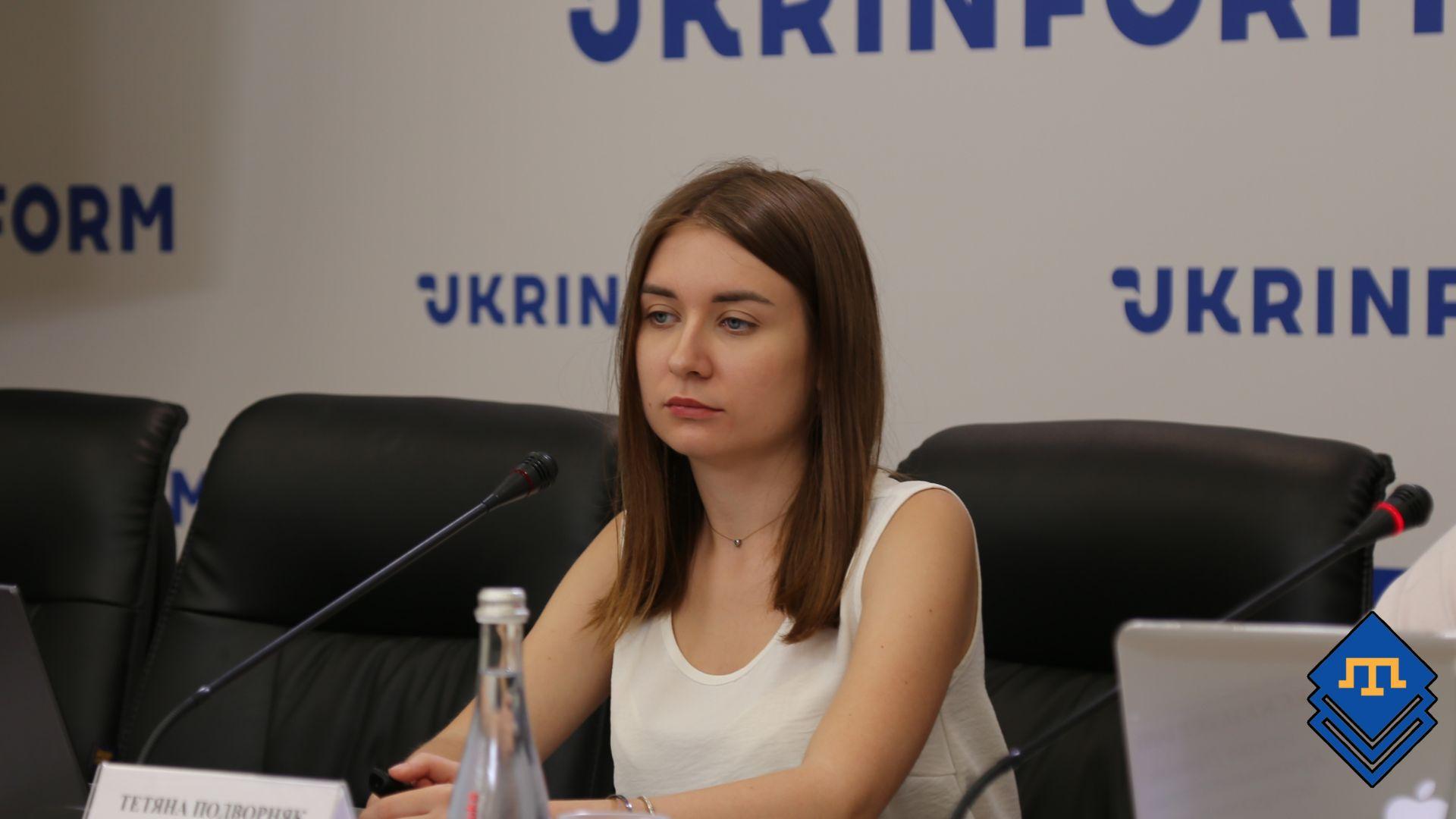
The communications manager of the CTRC added that fakes in the media of the occupied Crimea are not a new phenomenon at all. Now the CTRC sees the importance of monitoring and debunking fakes about NATO, given the high relevance of this topic.
Eskender Bariiev noted that it is possible to conditionally divide the trends in the dissemination of fake information about NATO in Crimea into periods: Before the NATO summit, On the eve and during the summit, and After the summit.
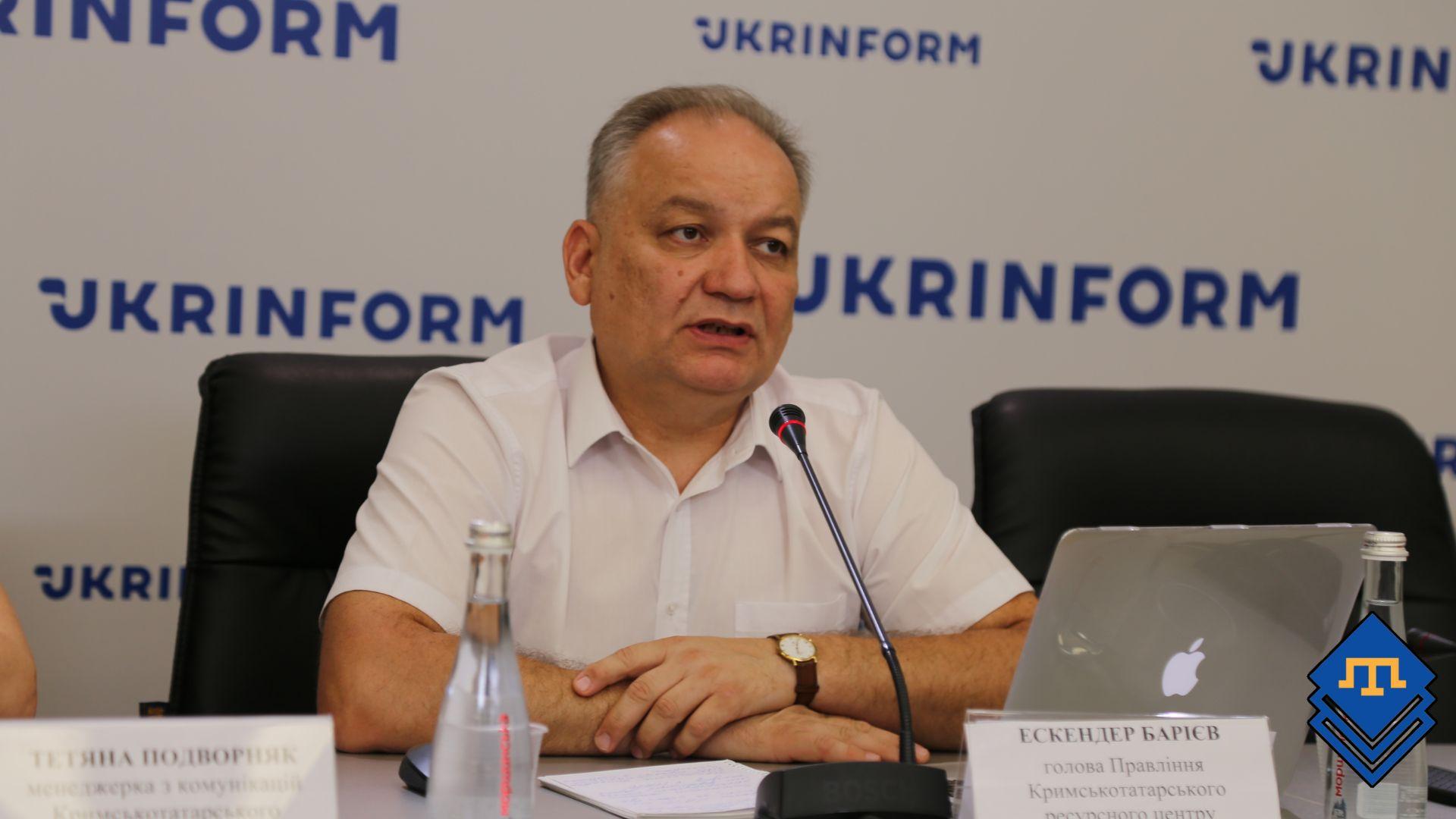
“Before the summit, propagandists with their fakes tried to convince consumers of their product that the Alliance is almost a participant in the Russian-Ukrainian war. On the eve of the summit, the messages changed dramatically, saying that no one is waiting for Ukraine in NATO. There were also messages that the Alliance was weak, that the European member states of the Alliance did not agree that the United States was dragging them into the war”,- he explained.
The expert noted that after the summit, the tone changed again in the direction that the threat of Ukraine’s entry into NATO remains, that Ukraine’s membership in the Alliance is a threat to Russia’s security.
Serhii Parkhomenko added that among the media that publish and promote fakes, it should be noted: the Crimean branch of the RIA News publication, Komsomol Truth, Crimea 24. Telegram channels: Crimean News, Sevastopol. Crimea., News of Sevastopol and the like.
“In order to make some kind of fake, the Russians manage to break the elementary logic in the same informational message. For example, the Komsomol Truth resource, on the eve of the NATO summit, published one of the experts’ ideas on admitting Ukraine to NATO right now, but with the theme that NATO will extend security guarantees only to non-occupied territories, that is, without temporarily occupied territories. Kremlin propagandists are spreading a fake that NATO wants to divide Ukraine and take it in parts. We clearly see that there is absolutely no logic in their message”,- said Parkhomenko.
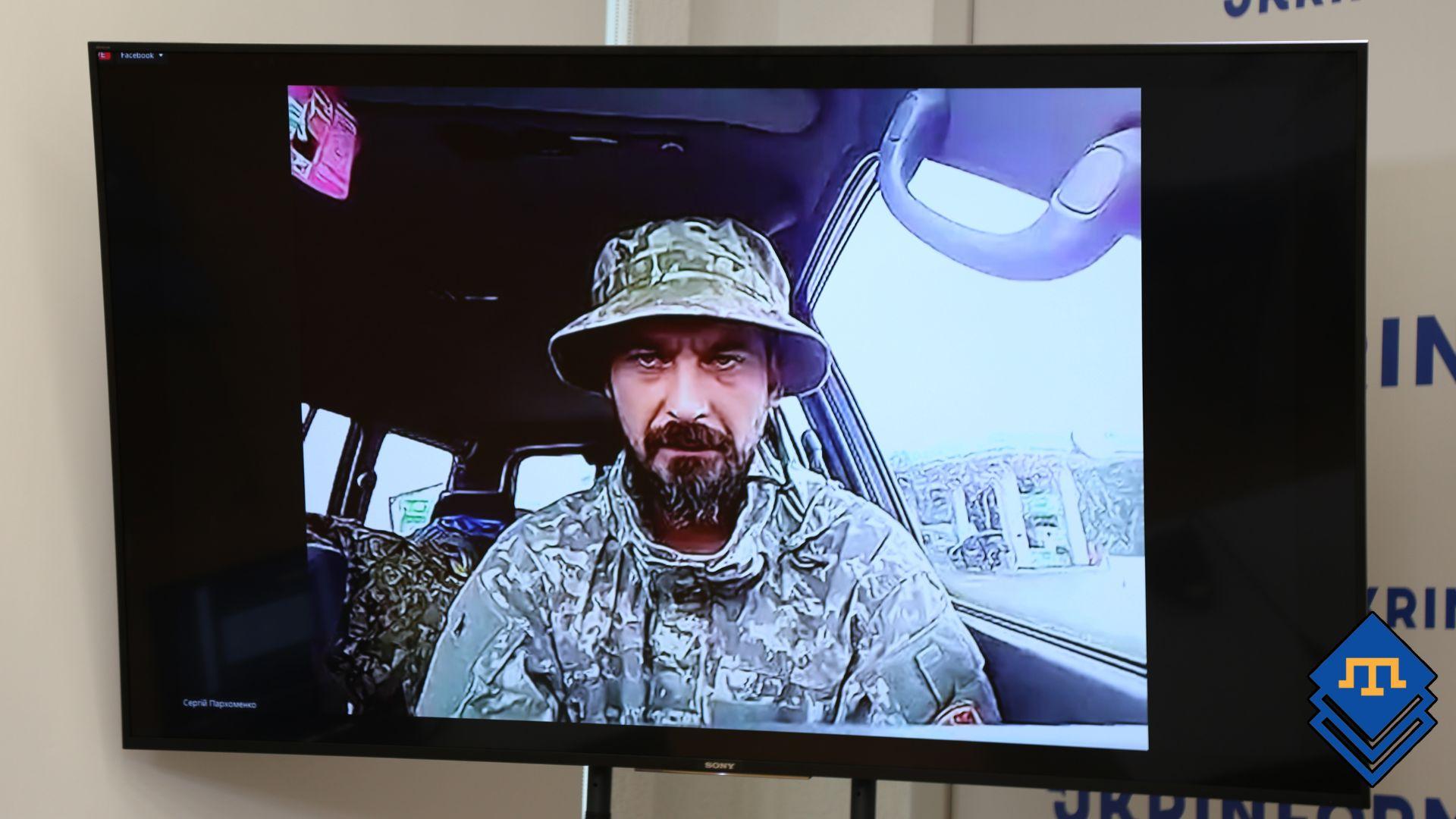 “In order to make some kind of fake, the Russians manage to break the elementary logic in the same informational message. For example, the Komsomol
 Beata Patasova spoke about NATO’s approach to countering disinformation and noted that responding quickly to fake news is key, but it’s also important not to overreact. You need to carefully consider when you need a loud reaction, and when it is better not to pay more attention to the fake.
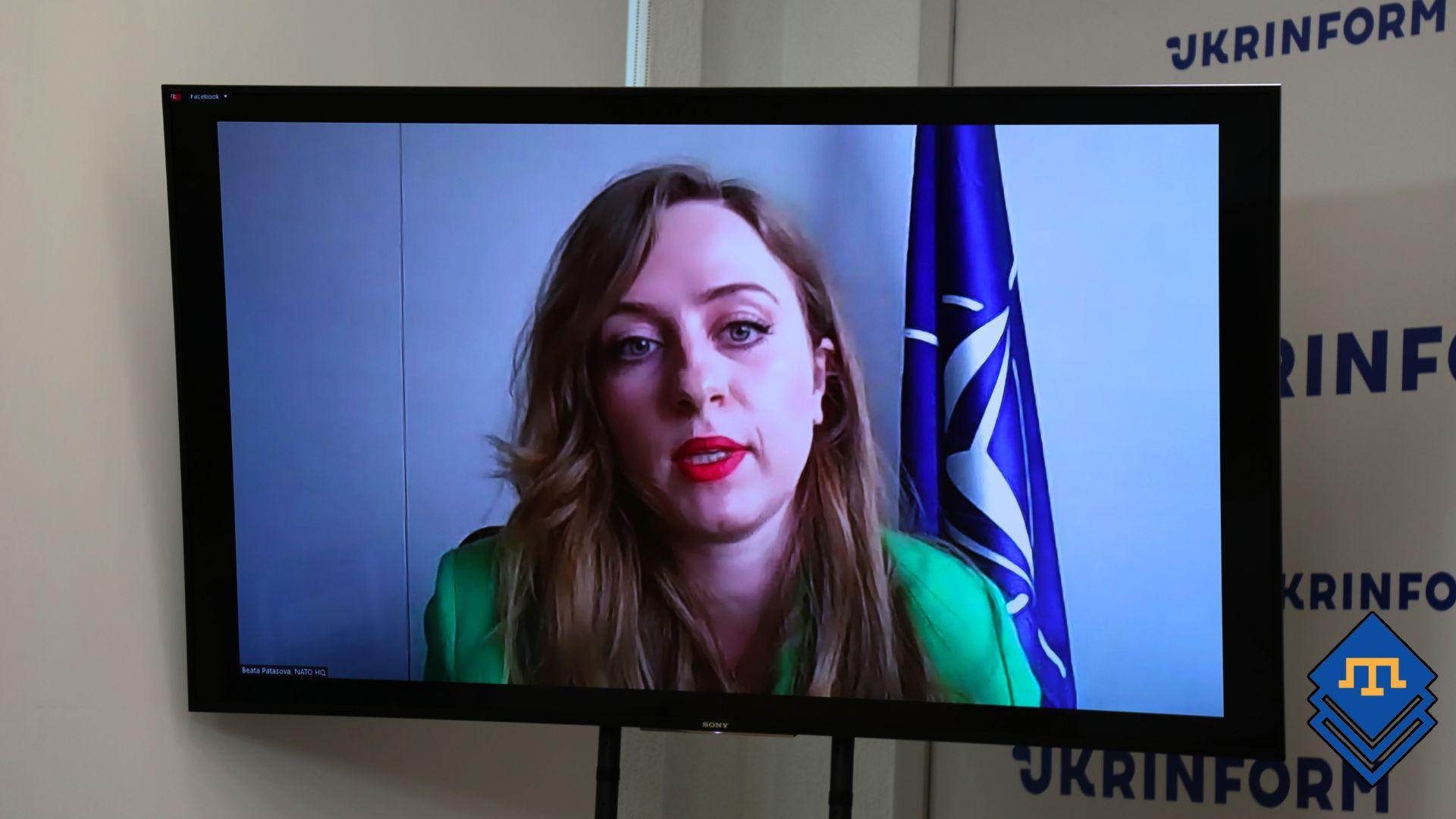
“NATO refutes Russian fakes with facts, openness and active communication with the media. Our approach to combating disinformation includes understanding and analyzing the information environment, as well as supporting social resilience, and refuting major information leaks. Reacting quickly to disinformation is key to debunking fake news”,- she added.