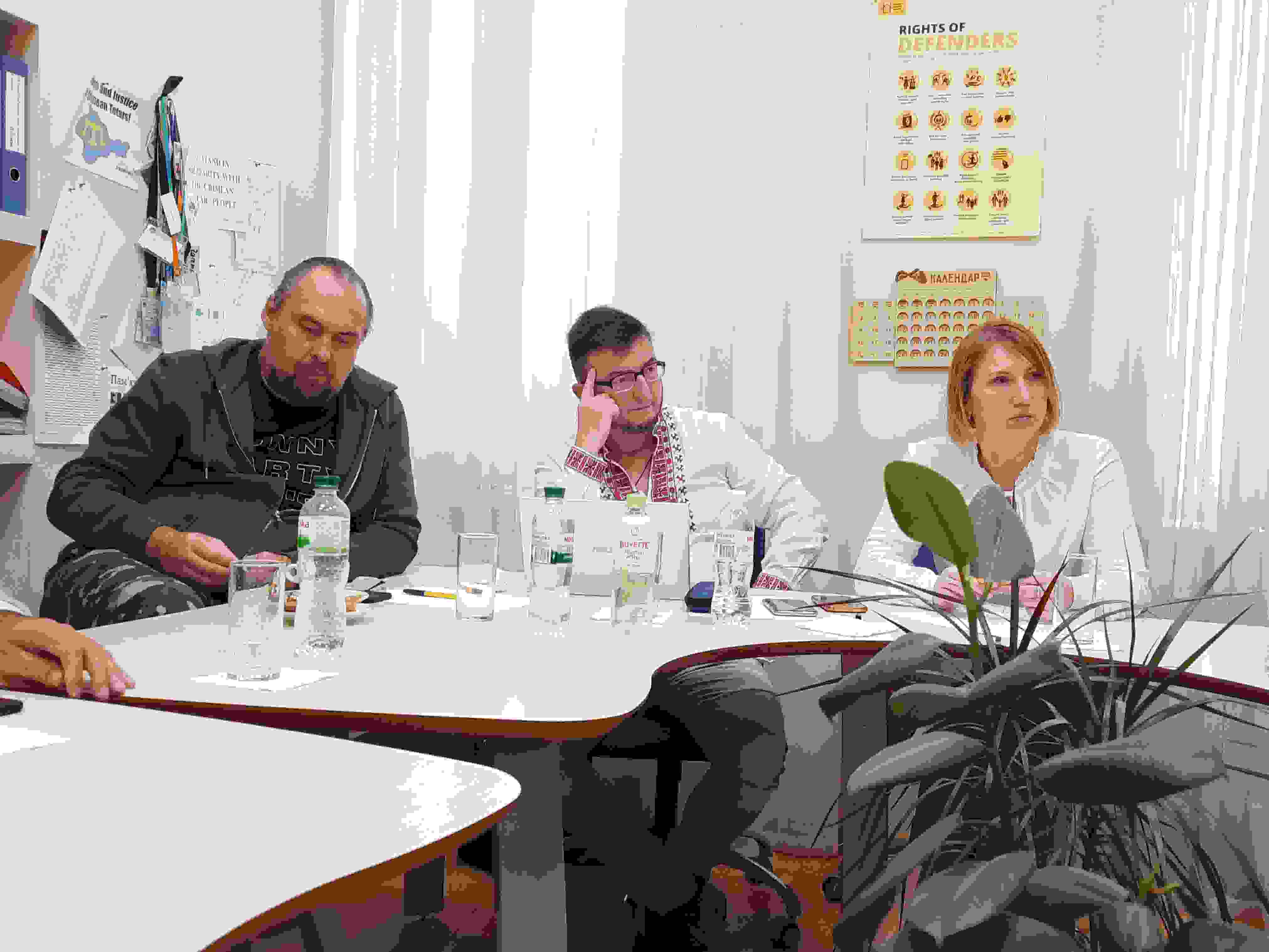

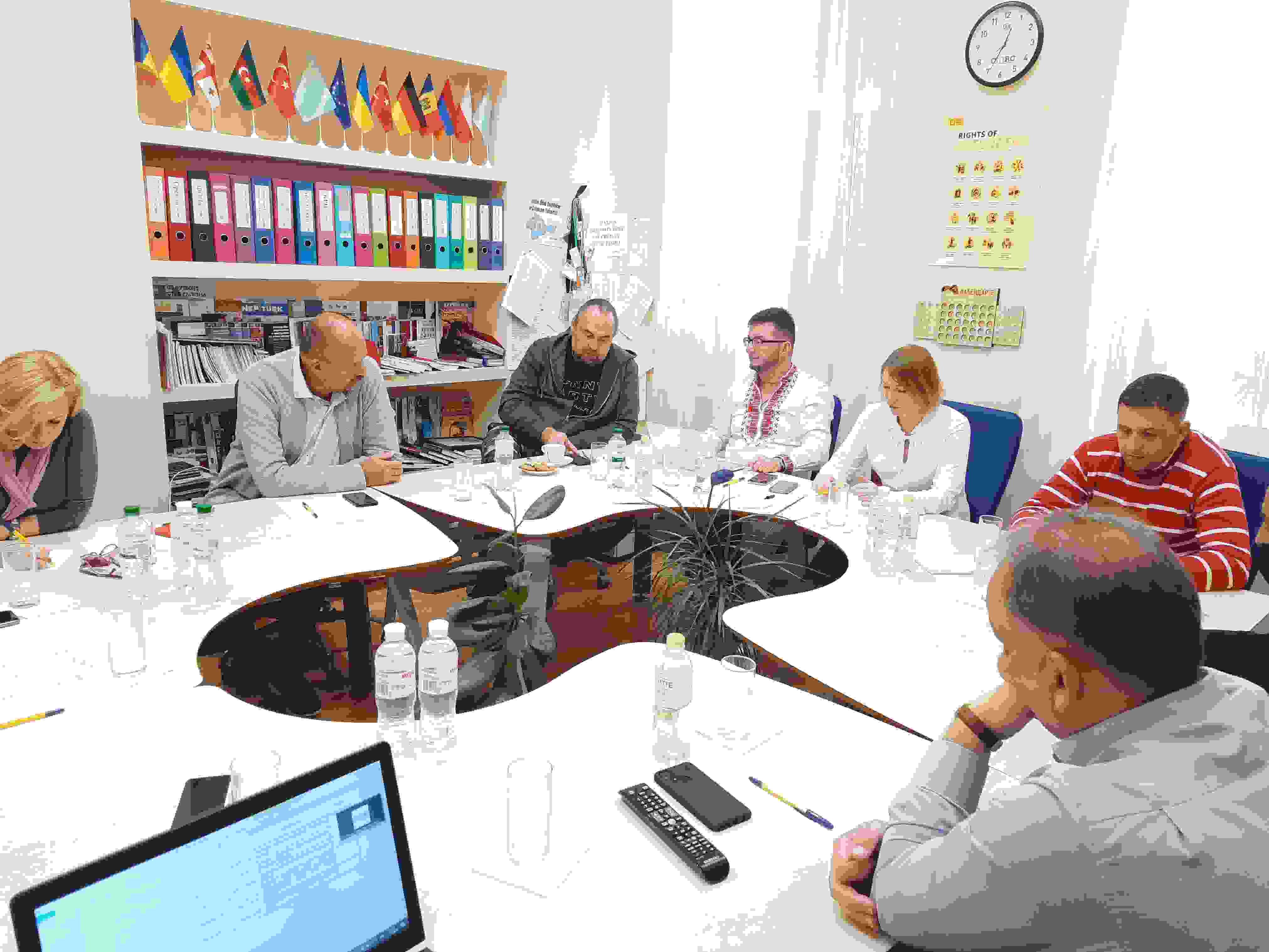
On Sunday, October 11, an expanded meeting of the Expert Council on Environmental Protection and Sustainable Development of Crimea was held at the office of the Crimean Tatar Resource Center. The interlocutors analyzed the state of the environment and the state of the technogenic situation on the peninsula, and also discussed possible legal mechanisms for influencing the occupiers in order to protect the environment of Crimea.
The meeting was opened with a welcoming speech by the Head of the Board of the Crimean Tatar Resource Center, member of the Presidium of the Mejlis of the Crimean Tatar people Eskender Bariiev, who noted that the task of the Ukrainian state, activists, public figures is to do everything to return Crimea with minimal losses.
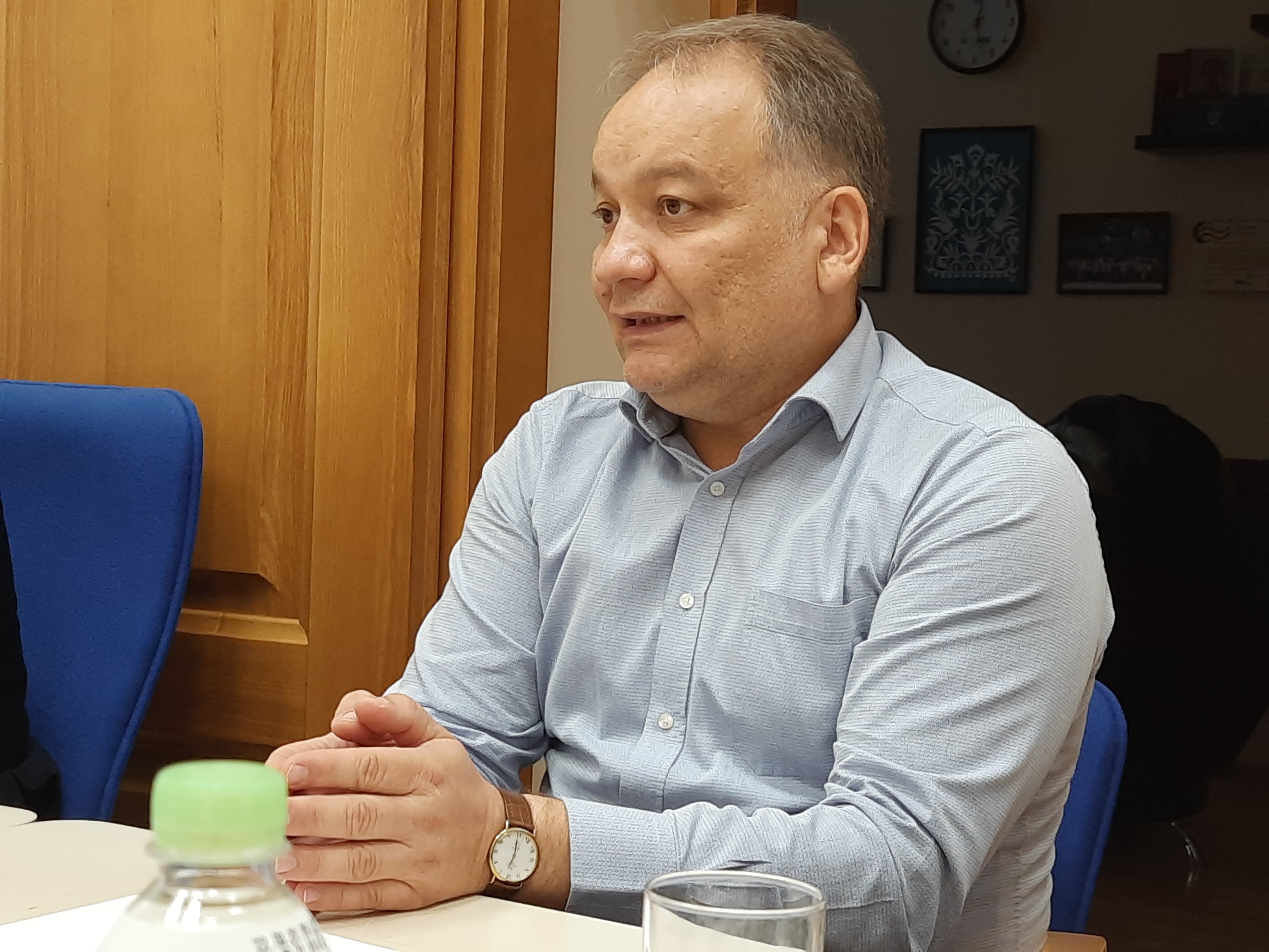
“Our goal is to preserve the peninsula, nature, protected areas, water areas of the Black and Azov Seas. Therefore, we have the idea to actively and more professionally work to monitor the ecosystem of Crimea and the Black and Azov Seas, as well as record which activities of the occupation authorities harm the environment”,- Bariiev stressed.
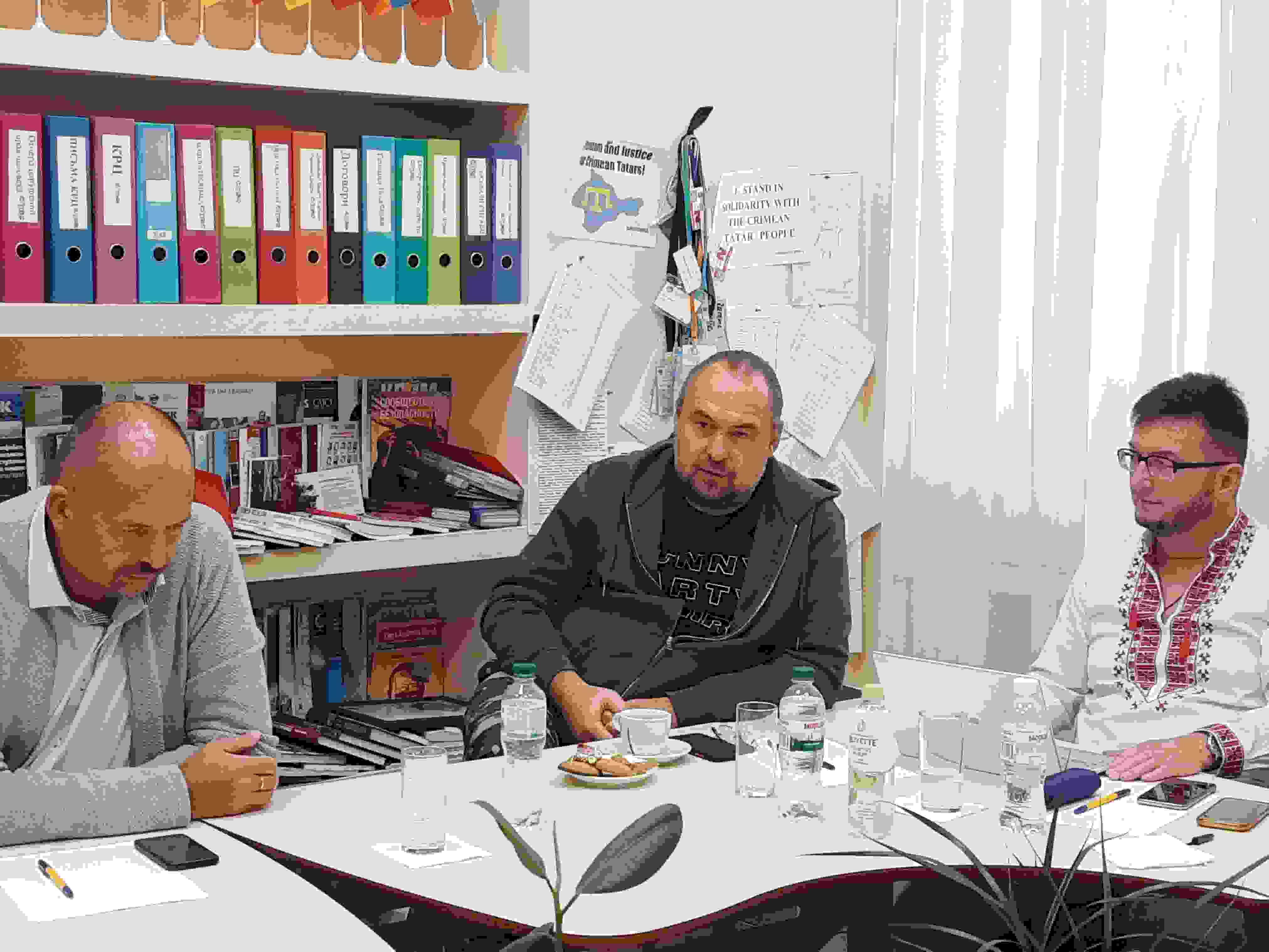
During the meeting participants analyzed the state of the environment and the state of the man-made situation in the occupied Crimea, the waters of the Black and Azov Seas and the adjacent territory of the Kherson region. They discussed possible options for collecting information on the peninsula, highlighted potential risks and threats to Crimeans and drew attention to possible political and legal mechanisms of influence on the occupation authorities in the field of environmental protection in Crimea.
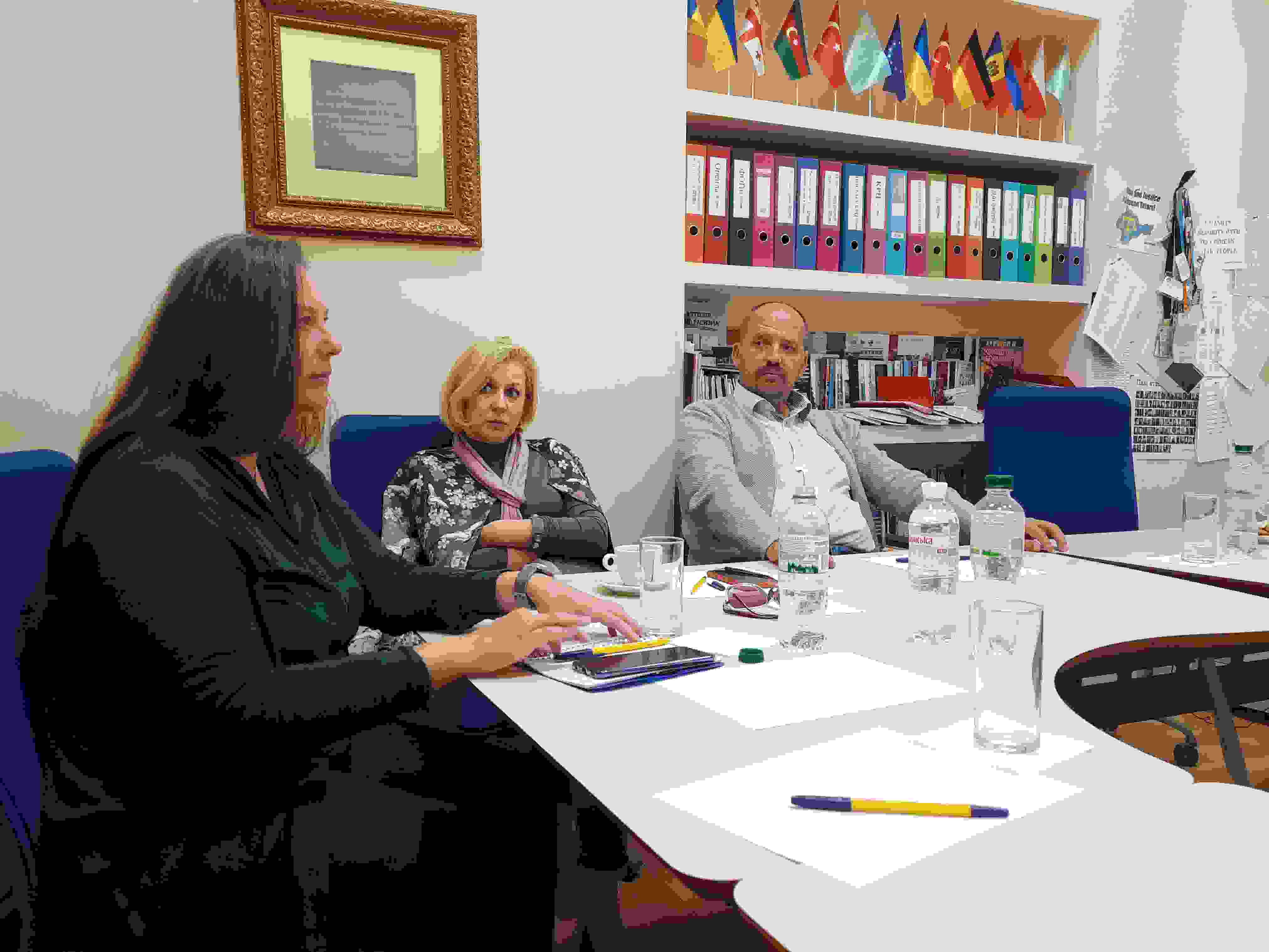
The main problem of Ukraine, according to experts, is the fact that the state authorities have simply withdrawn themselves from the problems of Crimea in the environmental sphere. Since 2014, not a single state body in the competence of which is the issue of preserving the ecosystem of the peninsula has been dealing with Crimea at all, citing the lack of access to information.
“We made a survey of our departments on the situation in Crimea, who is doing what and what information is available. And unfortunately, we have not received a single satisfactory answer, except for the Ministry of Ecology. After reading all the letters, we realized that no one is dealing with Crimea's problems”,- noted the expert of the CTRC, Dr.G. Svitlana Boichenko.
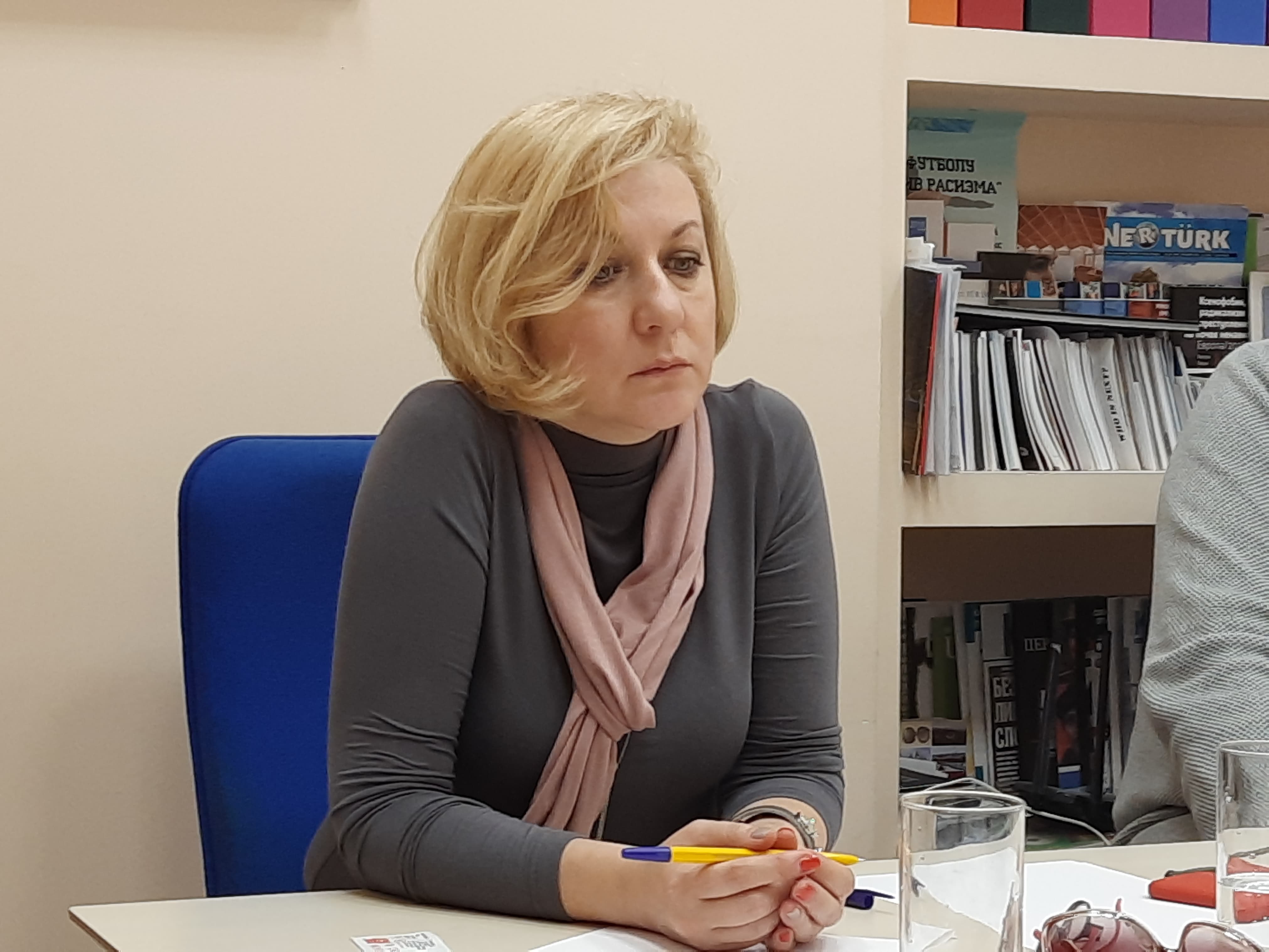
“To date, there is no information about what the environment of Crimea looks like now. All information is information from official sources of the occupation authorities and information from public activists. Now we are at the start of the work that should end with a certain assessment: what is the environment in Crimea, what it looks like, what are the threats and potential risks”,- summed up the expert of the CTRC, Doctor of Economics Ievhen Khlobystov.