

On Monday July 15 Eskender Bariiev, Head of the Crimean Tatar Resource Center, member of Mejlis of the Crimean Tatar People, held a formal meeting with experts of EMRIP at the 12th session of the UN Expert Mechanism on the Rights of Indigenous Peoples, where he announced about the necessity for the EMRIP to visit Ukraine.
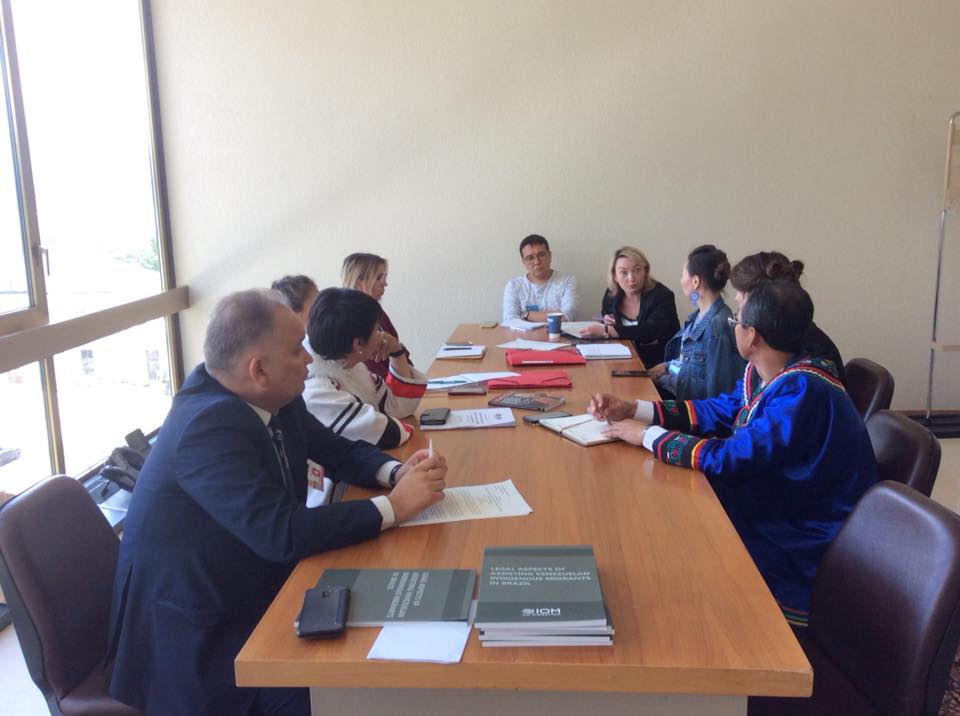
Also during the meeting, Bariiev announced:
– the need for expert evaluation of draft laws and regulations relating to the indigenous peoples' issue in Ukraine;
– the need to include the proposals of the Crimean Tatar Resource Center, sent in February 2019, to EMRIP studies (reports).
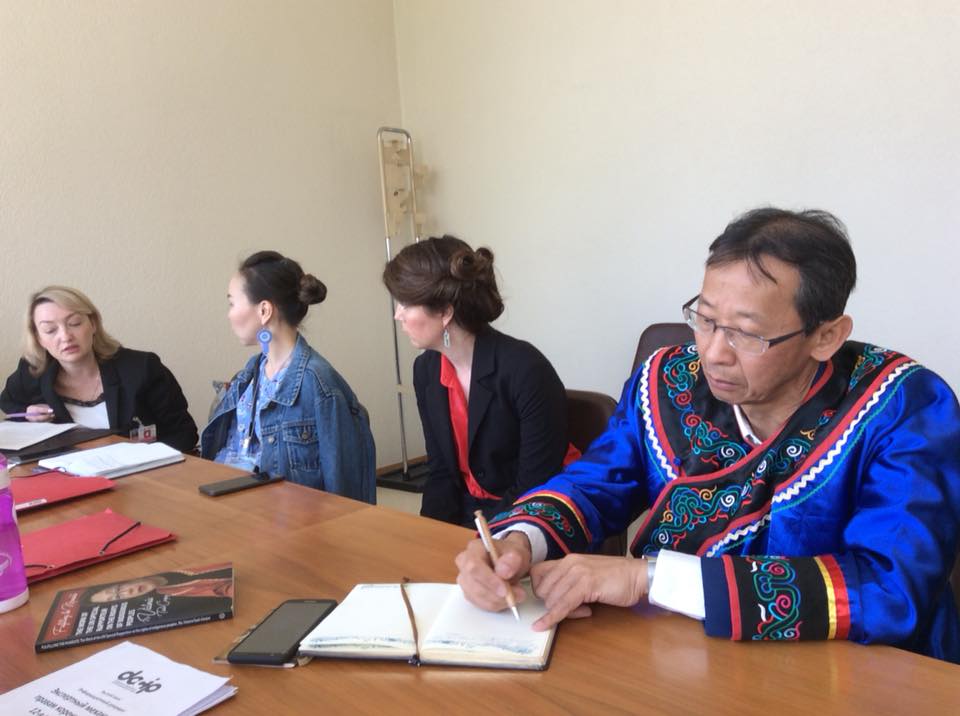
In February 2019, the Crimean Tatar Resource Center sent a report to the Expert Mechanism on the Rights of Indigenous Peoples named “The rights of indigenous peoples in the context of borders, migration and transportation”.
The report was presented as part of a study conducted by the Expert Mechanism on the Rights of Indigenous Peoples according to its mandate. In the report, the CTRC described the current situation of the Crimean Tatar people in Crimea that is under the Russian occupation, alongside with the reasons for forced displacement, persecution, abduction, arrest, interrogation, violation of the right to freedom of speech, religion, education in their native language, prohibition to be represented by the Mejlis of the Crimean Tatar people. Problems related to the damage of the ecosystem of the peninsula, the destruction of the cultural heritage of the indigenous peoples, the use of natural resources without coordination with the indigenous Crimean Tatar people were highlighted. The CTRC prepared recommendations for the Expert Mechanism on the Rights of Indigenous Peoples aimed to resolve the aforementioned issues at the international level, at the level of the Ukrainian state, at the level of the Russian so-called authorities in Crimea.
The expert mechanism will present a draft of this study for discussion at the current session on the 15th-19th of July, 2019. The final version will be presented to the Human Rights Council at its 42nd session in September 2019.
The Expert Mechanism on the Rights of Indigenous Peoples, established by the United Nations Human Rights Council in 2007, is a subsidiary body that provides the Council with the necessary expert information and advice on the rights of indigenous peoples according to the United Nations Declaration on the Rights of Indigenous Peoples The Mechanism consists of seven self-representing members.
The studies and recommendations of the Expert Mechanism are supposed to provide a better understanding of the provisions of the Declaration and to suggest direct actions that states, indigenous peoples, civil society, international organizations, national human rights institutions and others can take in order to further implement it.