

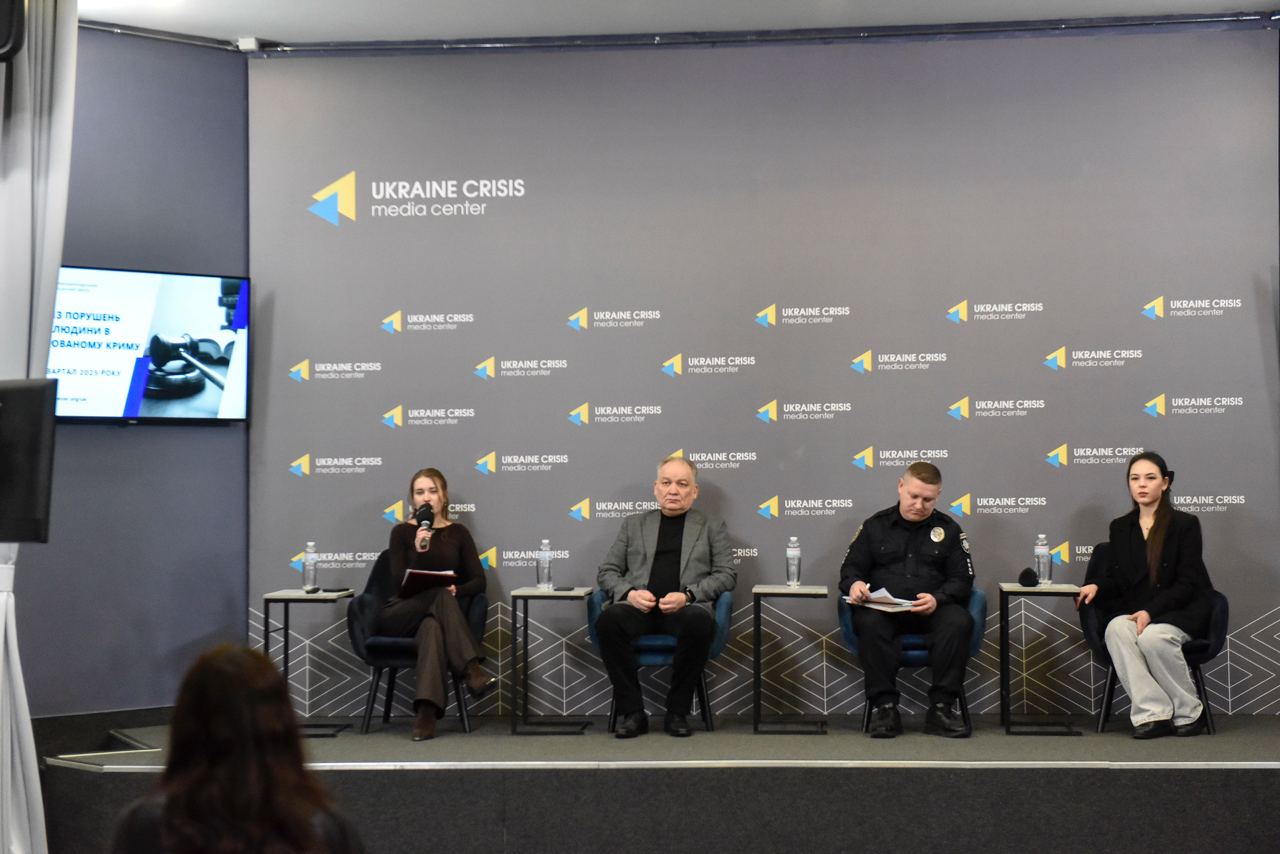
On Tuesday, April 15, the Crimean Tatar Resource Center at the Ukrainian Crisis Media Center presented the Analysis of Human Rights Violations in the Occupied Crimea for the first quarter of 2025. In addition, the CTRC provided the Analysis of Human Rights Violations in Kherson and Zaporizhia regions.
Speakers were:
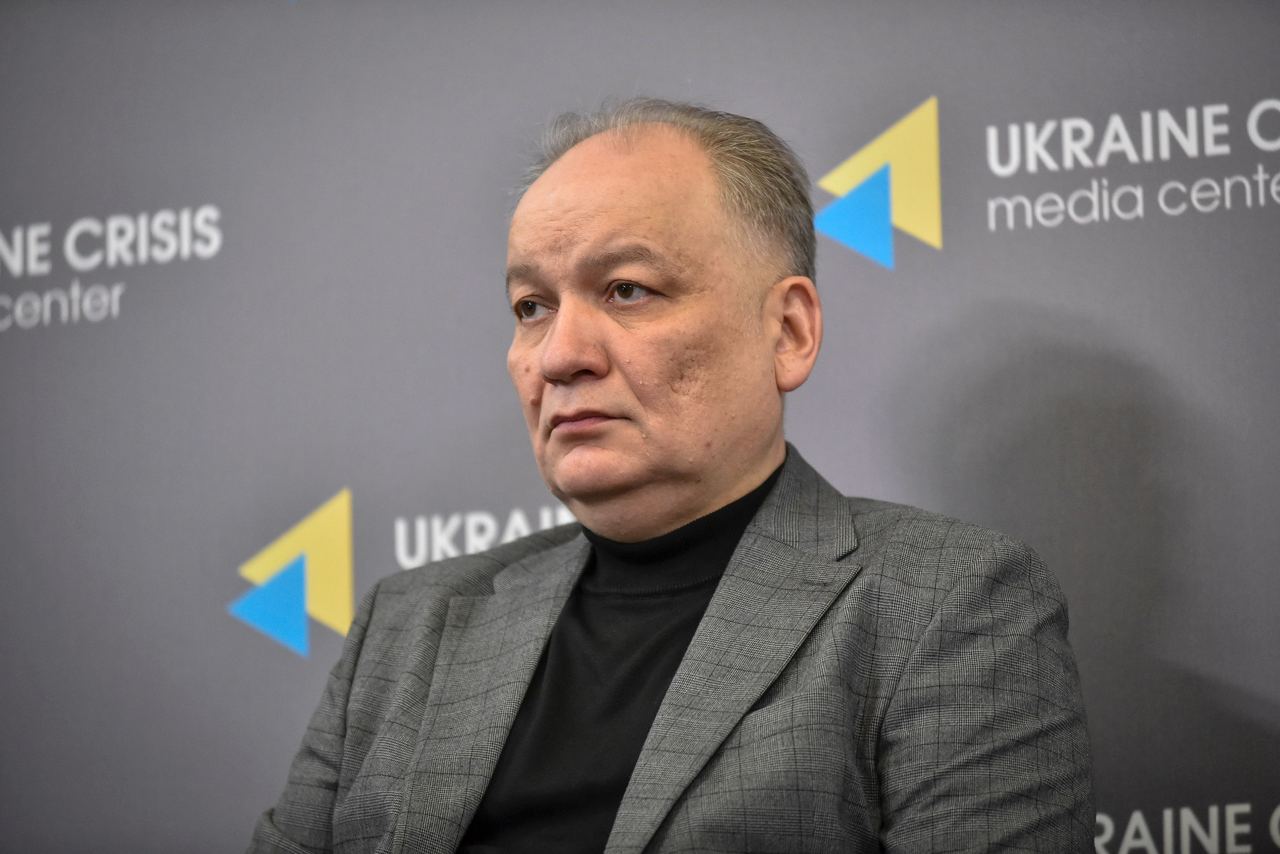
Eskender Bariiev – Chairman of the Board of the Crimean Tatar Resource Center, member of Mejlis of the Crimean Tatar people;
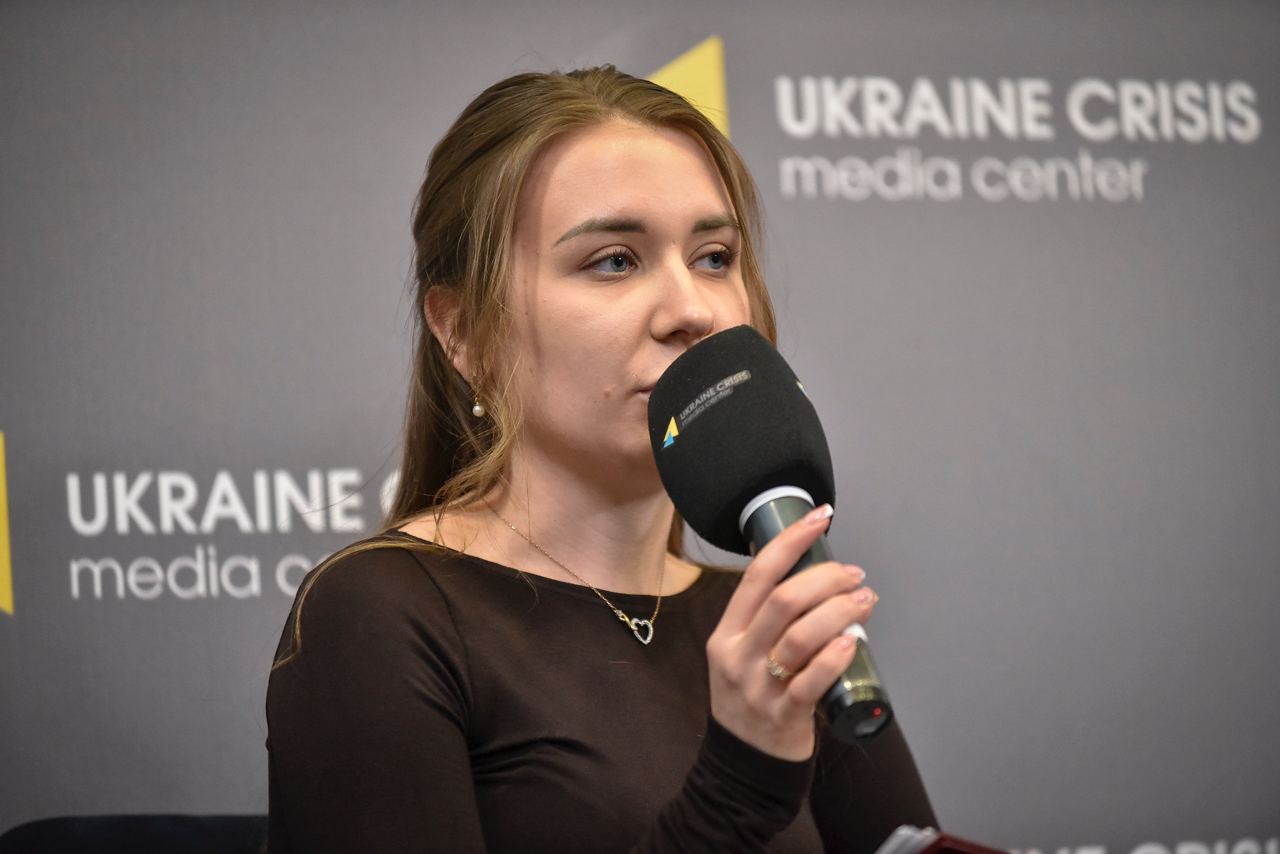
Tetiana Savchuk – Communications Manager of the Crimean Tatar Resource Center;
Liudmyla Korotkikh – Lawyer of the Crimean Tatar Resource Center;
Sergey Doroshin – Deputy Head of the Main Investigation Department of the Main Department of National Police in Crimea and Sevastopol, Colonel of Police;
Natalia Flouris – sister of Anatoliy Kobzar, who disappeared in occupied Crimea (online).
According to the organization, 13 searches, 38 detentions/arrests and 44 cases of interrogations, interviews and “conversations” were recorded during the reporting period. The total number of arrests for the first quarter of 2025 is 36. Most of the violations by the occupants fall on the representatives of the indigenous Crimean Tatar people. This practice has acquired a systemic character on the peninsula.
So, for the first quarter of 2025, 13 searches were recorded, 7 – in relation to representatives of the indigenous Crimean Tatar people. For the same period of 2024, 33 cases were recorded (28), and in 2023 – 21 (19).
For the first quarter of 2025, 36 cases of arrests were recorded, 21 in relation to Crimean Tatars. For the same period in 2024, 43 cases (25) were recorded, and in 2023 – 83 (54).
“Out of 43 cases: 19 new arrests, 12 sentences, 1 adminarest, 4 – extension of detention,” – explained Tetiana Savchuk.
For the first quarter of 2025 70 cases of violation of the right to a fair trial were recorded, 39 – in relation to the Crimean Tatars. For the same period of 2024, 82 cases were recorded (55), and in 2023 – 94 (67). The speakers paid special attention to the situation with political prisoners Amet Suleymanov, Tofik Abdulgaziev, Iryna Danylovych, Alexander Sizikov, Rustem Gugurik, whose health condition has significantly deteriorated.
“Now according to our data, 10 political prisoners of Crimea, who have disabilities, have been recorded. In addition, at least 17 political prisoners are elderly people. For them, sentences can become fatal. And unfortunately, there are already 3 deaths of political prisoners of Crimea due to inadequate conditions of detention, lack of medical care, terrible nutrition,” – said Tetiana.
The report of the CTRC, which is available on the website of the organization, also contains information about interrogations, improper conditions of detention in pre-trial detention facilities and prisons, violation of the rights of political prisoners, illegal military exercises in occupied Crimea, propaganda, violation of religious rights, violation of the ecosystem of Crimea.
In addition, based on the realities of the present day, the CTRC began to record human rights violations in the temporarily occupied territories of Zaporizhzhia and Kherson regions.
So, as noted by the communications manager of the CTRC Tetiana Savchuk, in the first quarter of 2025, the CTRC recorded at least 15 cases of detention, 20 arrests. The report also drew attention to such cases as: propaganda, military exercises, other violations.
Natalia Flouris, the sister of Anatoliy Kobzar, who disappeared in the occupied Crimea back in 2024, is sincerely grateful to the CTRC and all human rights defenders who help to establish the whereabouts of her brother.
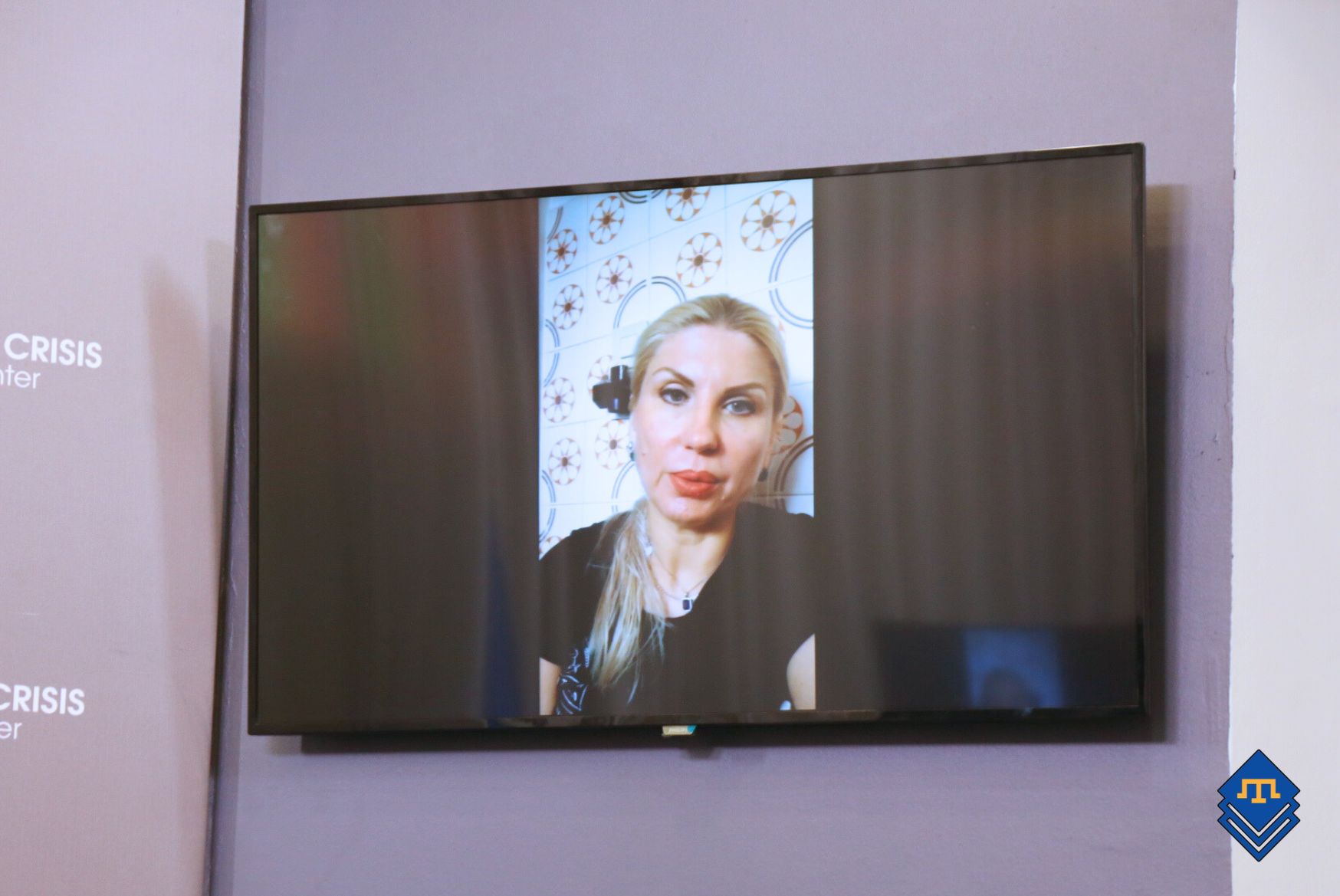
“It is very important that such cases are known both in Ukraine and around the world. I am the sister of Kobzar Anatoliy. My brother disappeared 13 months and 10 days ago. We are very worried about our brother: what, where, how and what is happening to him. After everything that happened, my mother’s health – both mental and physical – is very affected”, – she said.
The woman emphasized that Crimea today is controlled by the Russian Federation, which should ensure order in the occupied territory, but people are detained, arrested for fictitious reasons – like her brother, who never had anything to do with the criminal world.
“I am very grateful to the Crimean Tatar Resource Center for their help, for supporting my brother, and for repeatedly helping other people whose relatives went missing in Crimea. I hope that my brother will be found soon,” – she added.
Sergey Doroshin, Deputy Head of the Main Investigation Department of the Main Department of National Police in Crimea and Sevastopol, noted the importance of promptly informing law enforcement agencies about crimes in the temporarily occupied territories.
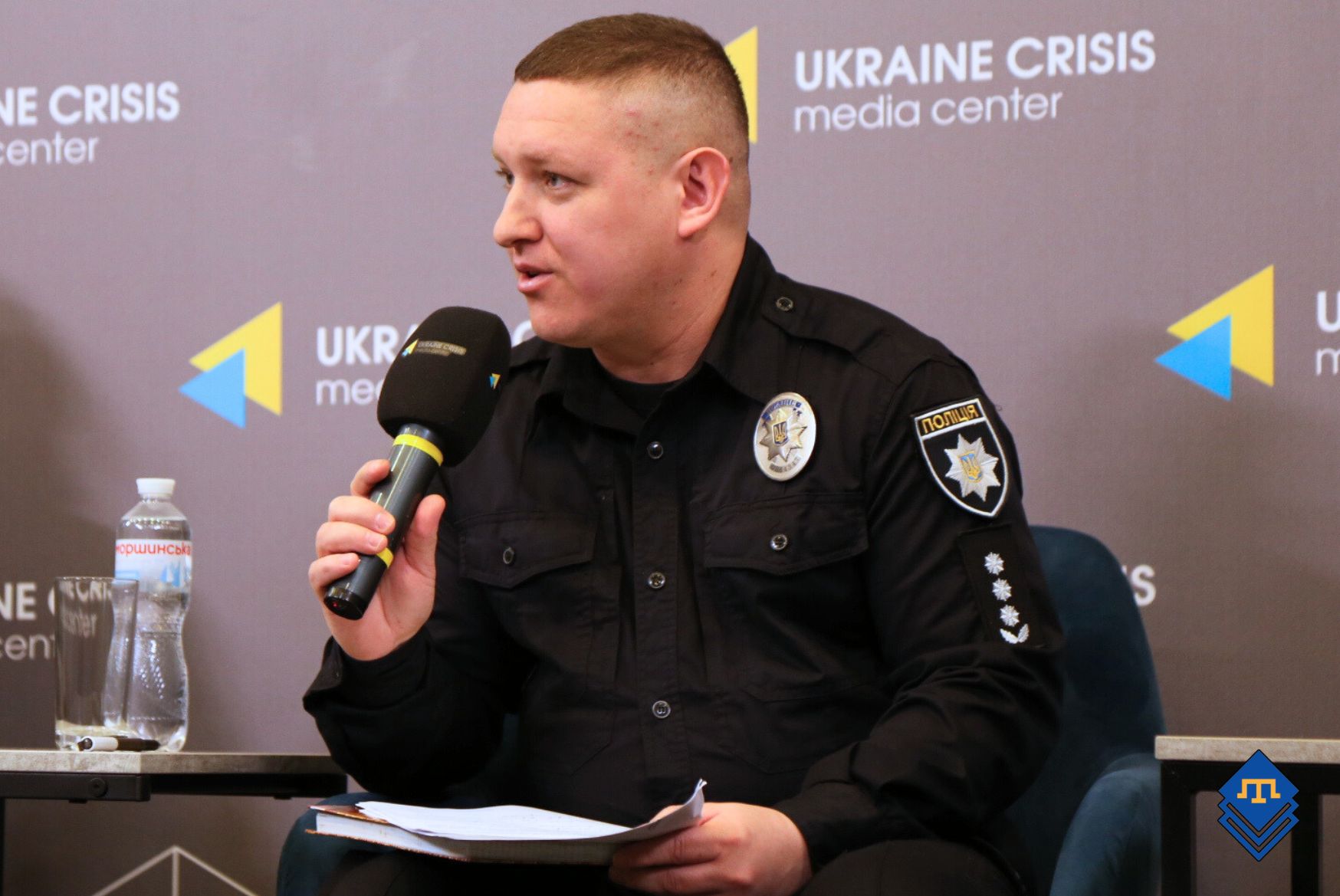
“If there are appeals about disappearance without trace or any other crimes against citizens of Ukraine who are in the temporarily occupied territory of Ukraine, in Crimea or outside it, but are residents of Crimea, then first of all these reports should go to the police. In the future, we will cooperate with human rights activists to document such crimes,” – he said.
He also reported on the current statistics of investigations:
“To date, the Investigative Department is investigating 58 criminal proceedings on the facts of illegal deprivation of liberty, of which 12 of which concern persons associated with the organization “Hizb ut-Tahrir”. On the facts of violation of inviolability of home – that is, illegal searches and penetrations – 46 proceedings are being investigated. Separately, 90 criminal proceedings on the facts of war crimes have been recorded”.
Fixing crimes is only the first step. Next, it is important to systematize data, form an analytical base and facilitate their use in the investigation and international justice. Liudmyla Korotkikh said that the CTRC recently presented the Register of War Crimes, Crimes against Humanity and Human Rights Violations, which is an important tool for government agencies to systematize data and effectively use it in investigations.
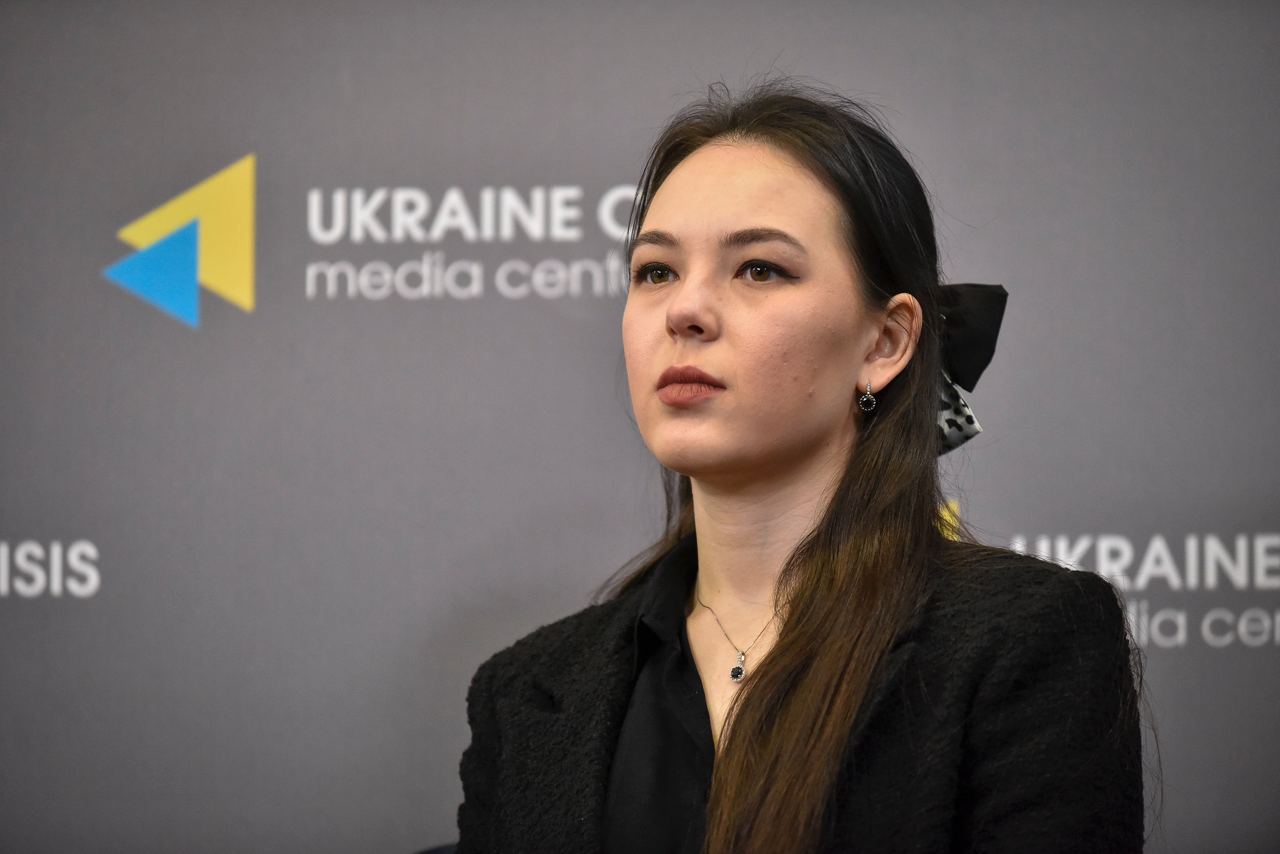
“Today, this register is a digital tool that contains all the information available to our organization on human rights violations that occurred at the beginning of the occupation of Crimea. Now our organization has recorded more than ten thousand human rights violations for more than 11 years of occupation of the peninsula. In addition, this register contains information about war crimes and crimes against humanity committed already during the full-scale invasion on the territory of both Kherson and Zaporizhzhia regions and other regions of Ukraine,” – the lawyer explained.
Liudmyla stressed that all the information about the crimes of the Russian Federation in the occupied territories of Ukraine, of course, requires systematization, proper structure and streamlining. It should be presented in a format that will allow convenient and efficient work with it – to conduct analytical or expert processing, to form an evidentiary base.
“This is necessary both for the transfer of information to Ukrainian law enforcement agencies that are investigating these crimes, and for submission to international institutions or expert agencies conducting their own investigations and monitoring,” she added.
Eskender Bariiev, Chairman of the Board of the Crimean Tatar Resource Center, ended up once again emphasizing the importance of timely reporting on the facts of human rights violations occurring in the temporarily occupied territories of Ukraine:
“I would like to take this opportunity to appeal to relatives and friends of political prisoners: please inform us in a timely manner if your relatives are subjected to torture, are not provided with proper medical care or other rights are violated. This will allow us to promptly transfer this information to the competent authorities, international human rights structures, in particular the UN. In this way, the special representative or the relevant institution will be able to respond promptly.
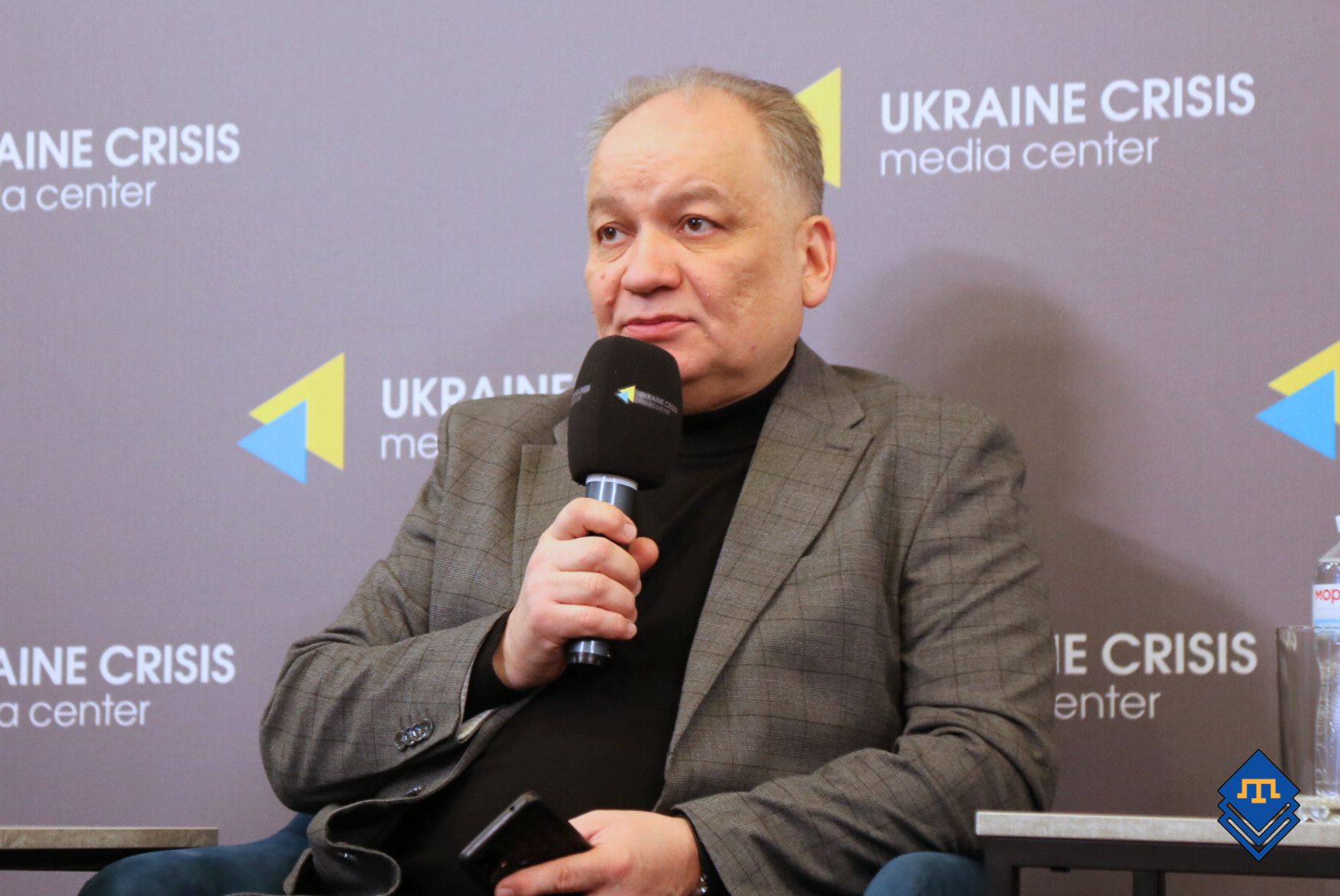
It is also very important to inform without delay in cases of detention or abduction. It is often the first hours after the disappearance that are critical – then there is still a chance to find the person, prevent torture and, most importantly, save his/her life.