

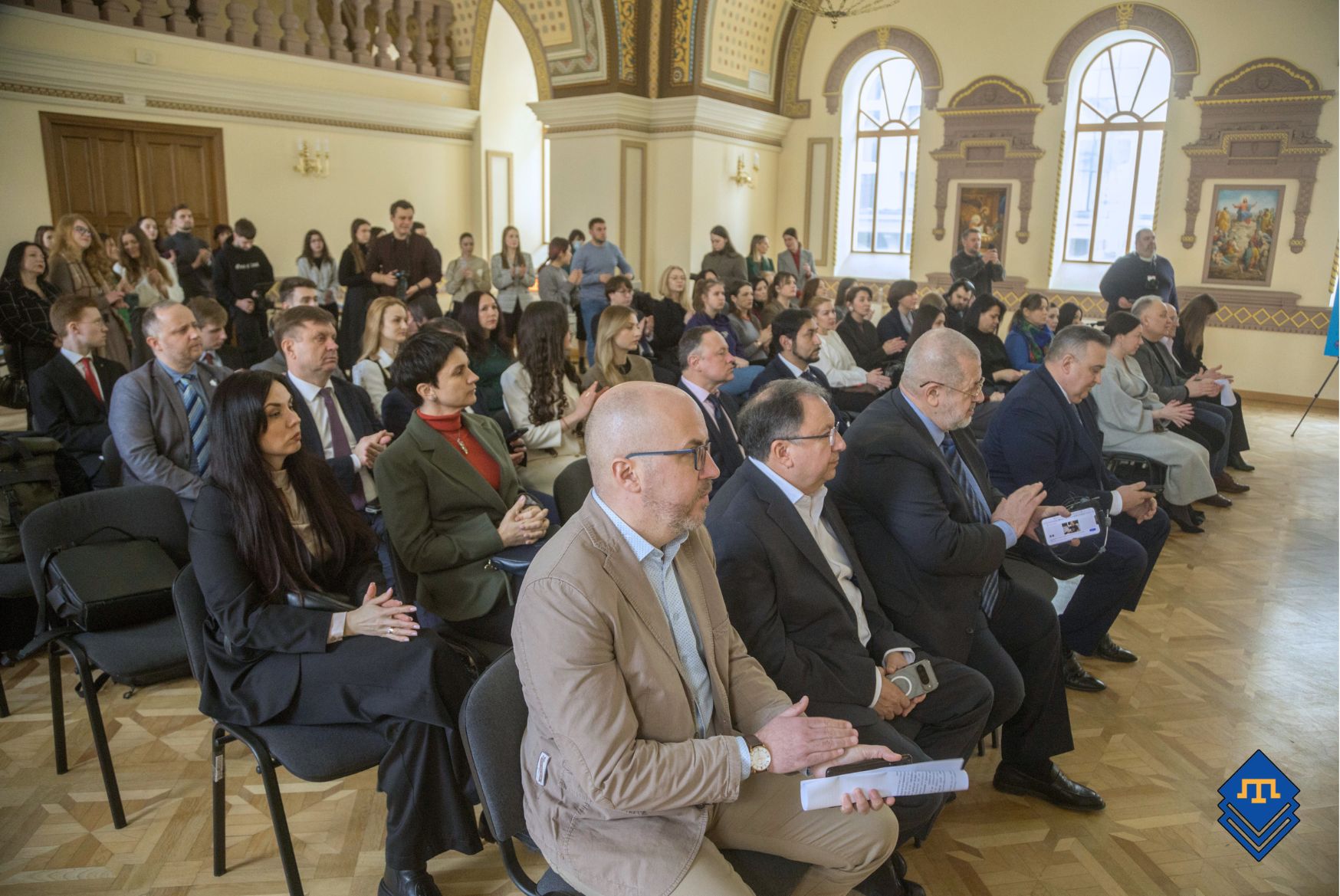
On Thursday, February 27, in Kyiv, the Hennadiy Udovenko Diplomatic Academy of Ukraine under the Ministry of Foreign Affairs hosted the opening of the exhibition “Crimea Resists”, dedicated to the Day of Resistance to the Occupation of Crimea. The event was organized by the Ministry of Foreign Affairs of Ukraine, the Crimean Tatar Resource Center and the Mejlis of the Crimean Tatar People.
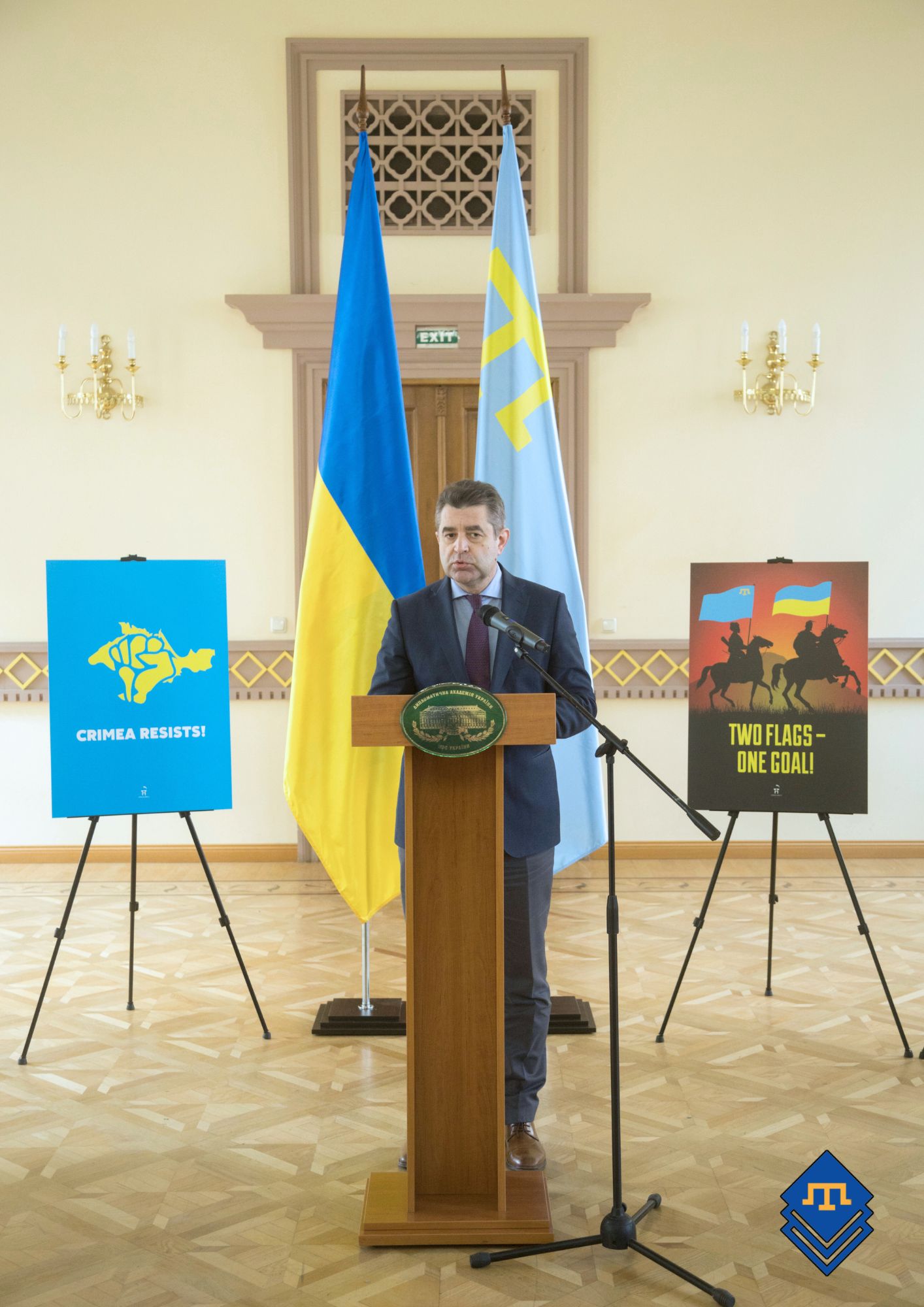
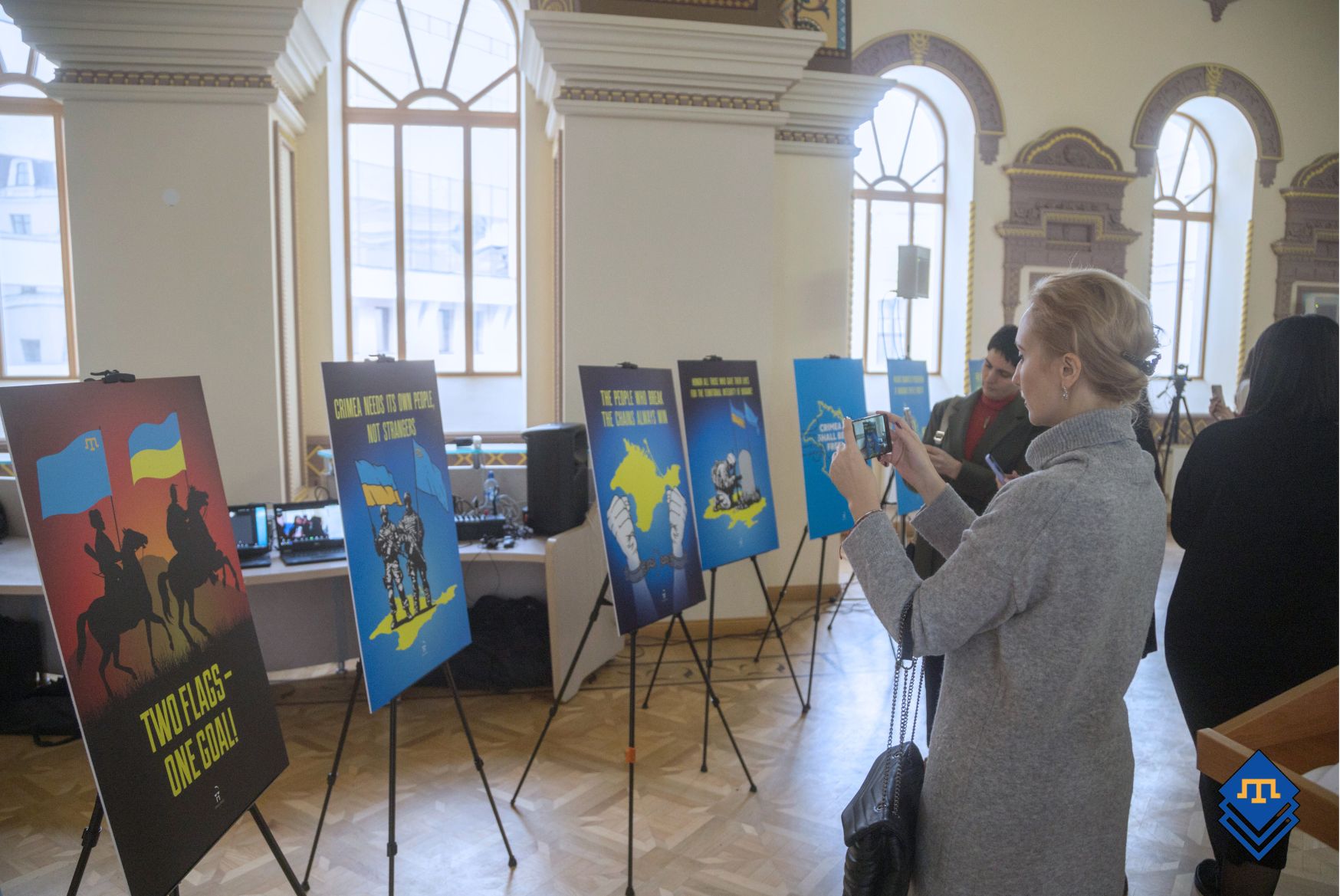
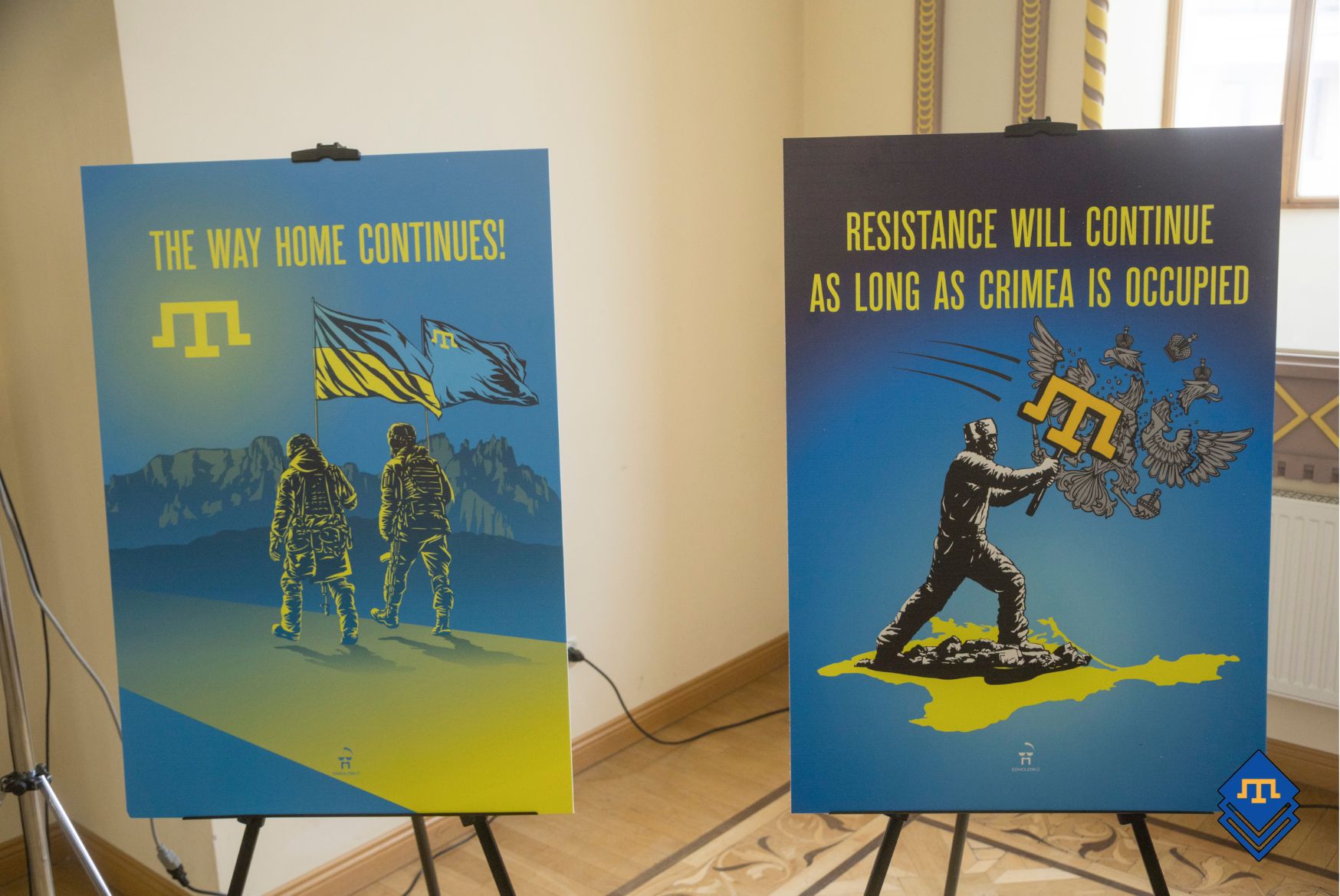
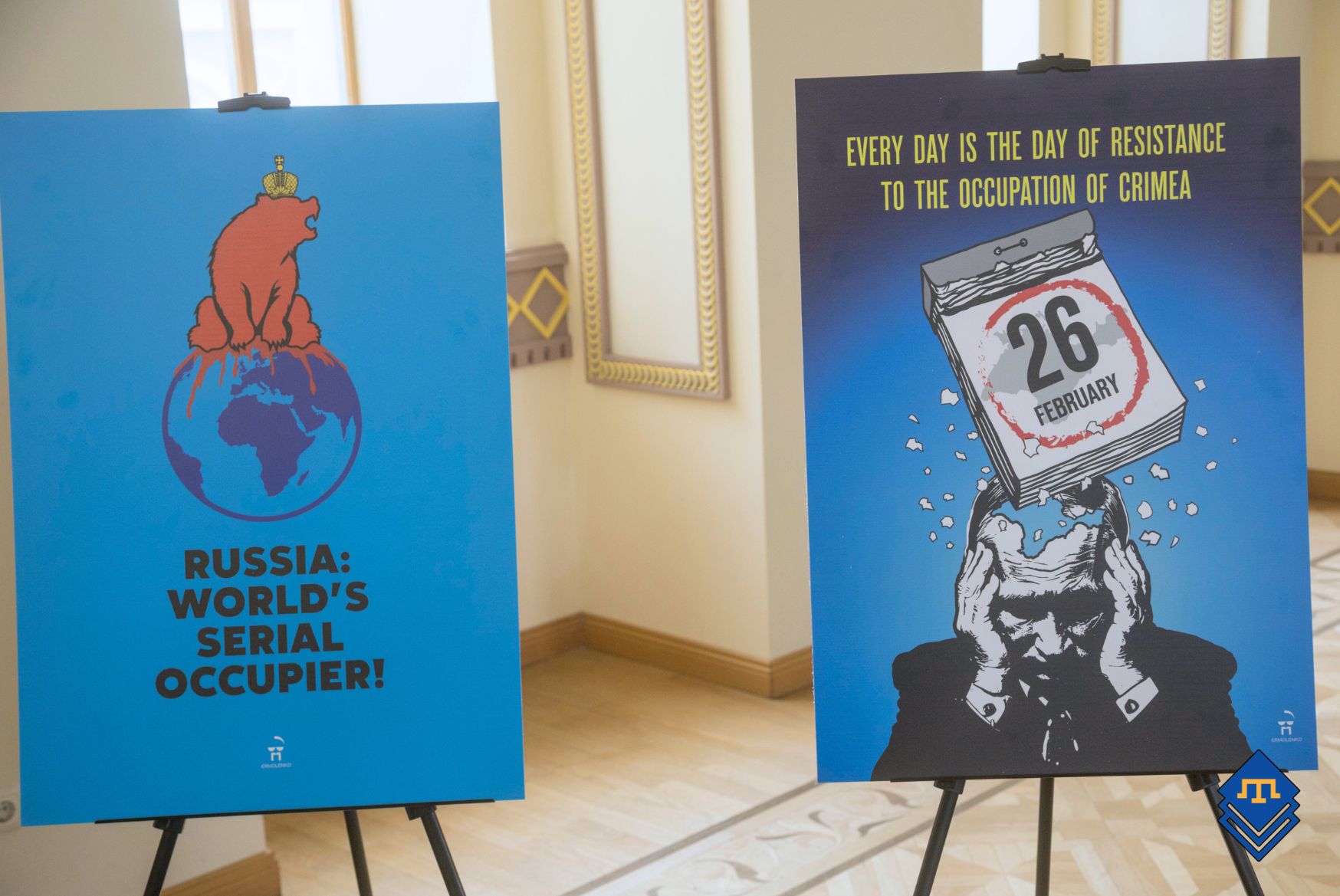
The exhibition created by the CTRC, Mejlis of the Crimean Tatar People and activists of the International Movement #LIBERATECRIMEA, and brought to life by artist Andriy Yermolenko. It consists of 15 posters visualizing 11 years of struggle against the occupation of the peninsula. The posters demonstrate non-violent methods of resistance used by activists from around the world and emphasize global support for Ukraine.
During the event, key speakers delivered speeches:
Yevhen Perebiynis – Deputy Minister of Foreign Affairs of Ukraine;
Hennadiy Nadolenko – Director of the Hennadiy Udovenko Diplomatic Academy of Ukraine at the Ministry of Foreign Affairs;
Denis Chistikov – Deputy Permanent Representative of the President of Ukraine in Crimea;
Refat Chubarov – Chairman of the Mejlis of the Crimean Tatar People;
Eskender Bariiev – Chairman of the Board of the Crimean Tatar Resource Center, member of Mejlis of the Crimean Tatar people;
Moderator: Liudmyla Korotkikh – Lawyer of the Crimean Tatar Resource Center.
The speakers noted the importance of international solidarity in the struggle for the de-occupation of Crimea and emphasized that art remains a powerful tool of resistance. The exhibition was another reminder that Crimea is Ukraine and the struggle for its liberation continues.
“It is very important for the world to know that neither Ukrainians nor Ukrainian Tatars have resigned themselves to the occupation of Crimea. Crimea will definitely return under Ukrainian control. … We should first of all talk about the resistance of the Crimean Tatar people, who have been fighting for their land for many, many years. And today Russia is carrying out a repeated genocide of the Crimean Tatar people, but there is no doubt that the Crimean Tatars will return again to Crimea and Crimea will be the land where they will cherish their culture, their language. I would like to emphasize the importance of this exhibition and thank everyone who took part in its creation”, – said Yevhen Perebiynis.
Director of the Diplomatic Academy of Ukraine named after Hennadiy Udovenko at the Ministry of Foreign Affairs Hennadiy Nadolenko noted that this exhibition is the main evidence of the struggle of the Crimean Tatar people, all Ukrainians, and the international community against the occupation of Crimea.
“Each of the posters tells a story of resistance by activists who chose creative and non-violent methods to fight Russian propaganda and disinformation. … But today we emphasize once again that Crimea is Ukraine, and the struggle continues. The posters demonstrate that the world has not forgotten either Ukraine or Crimea. The Diplomatic Academy of Ukraine is a place for professional diplomats who will defend Ukraine’s interests in the world. Therefore, we are proud to be the platform for this impressive initiative,” – he explained.
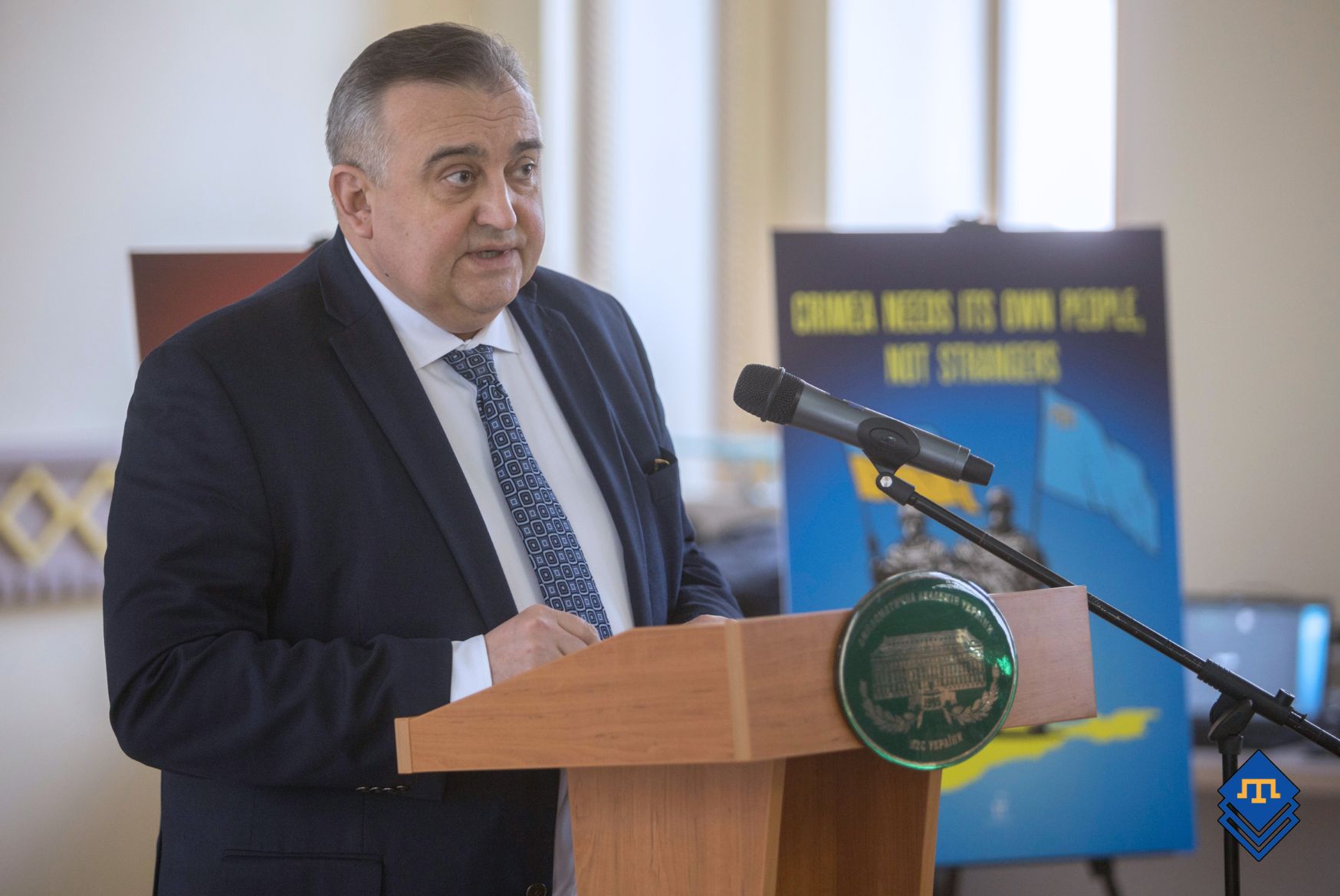
Denis Chistikov emphasized that it is very important to remember the gravity of this resistance, which continues now in the temporarily occupied territories of Ukraine.
“In particular, only on the territory of the occupied Crimea there are now more than 200 citizens of Ukraine in detention centers, most of whom are representatives of the Crimean Tatar people. In addition, thousands of people are brought to administrative responsibility for resisting and supporting Ukraine. Such an exhibition attracts the attention of the whole world and gives an opportunity to unite efforts and different layers of the population, different categories of citizens. The more we attract people, the more support for Ukraine, and the faster we will be able to return our people to our territories. Because Crimea is Ukraine,” – he added.
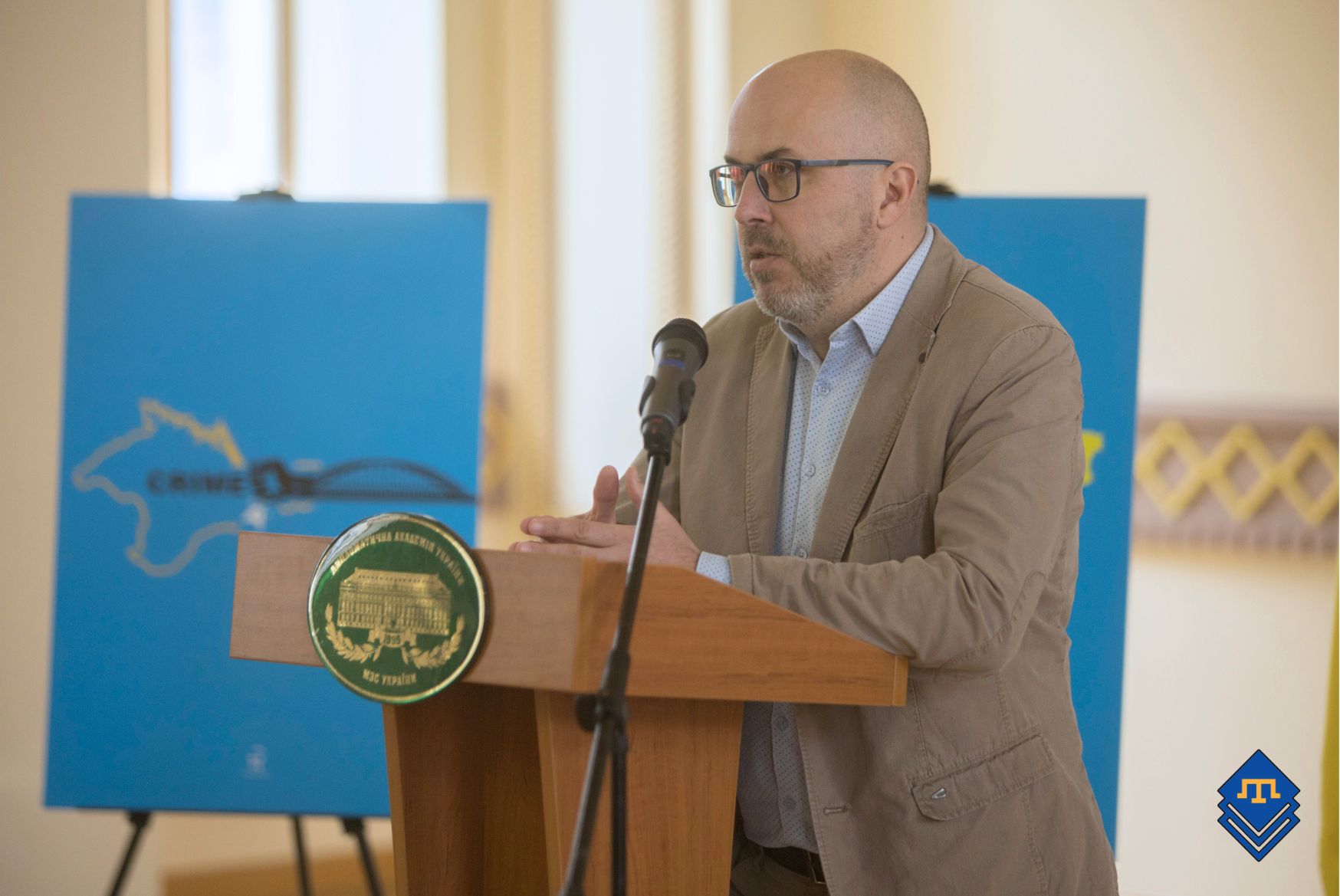
“It is important for our state to have worked out strategic documents: the strategy of de-occupation of Crimea and the strategy of cognitive deoccupation of Crimea. But for the realization of these strategies we need different goals. All the works in the exhibition reflect the feelings of Ukrainians and Crimean Tatars. Thanks to the powerful work of diplomats, we manage to protect the sovereignty of the Ukrainian state. But when talking about Crimea, we must necessarily take into account the Crimean Tatar factor – the presence of an indigenous people who see their choice within Ukraine. Nothing about Ukraine without Ukraine! Nothing about Crimea without Ukraine and Crimean Tatars, Glory to Ukraine!” – emphasized Refat Chubarov.
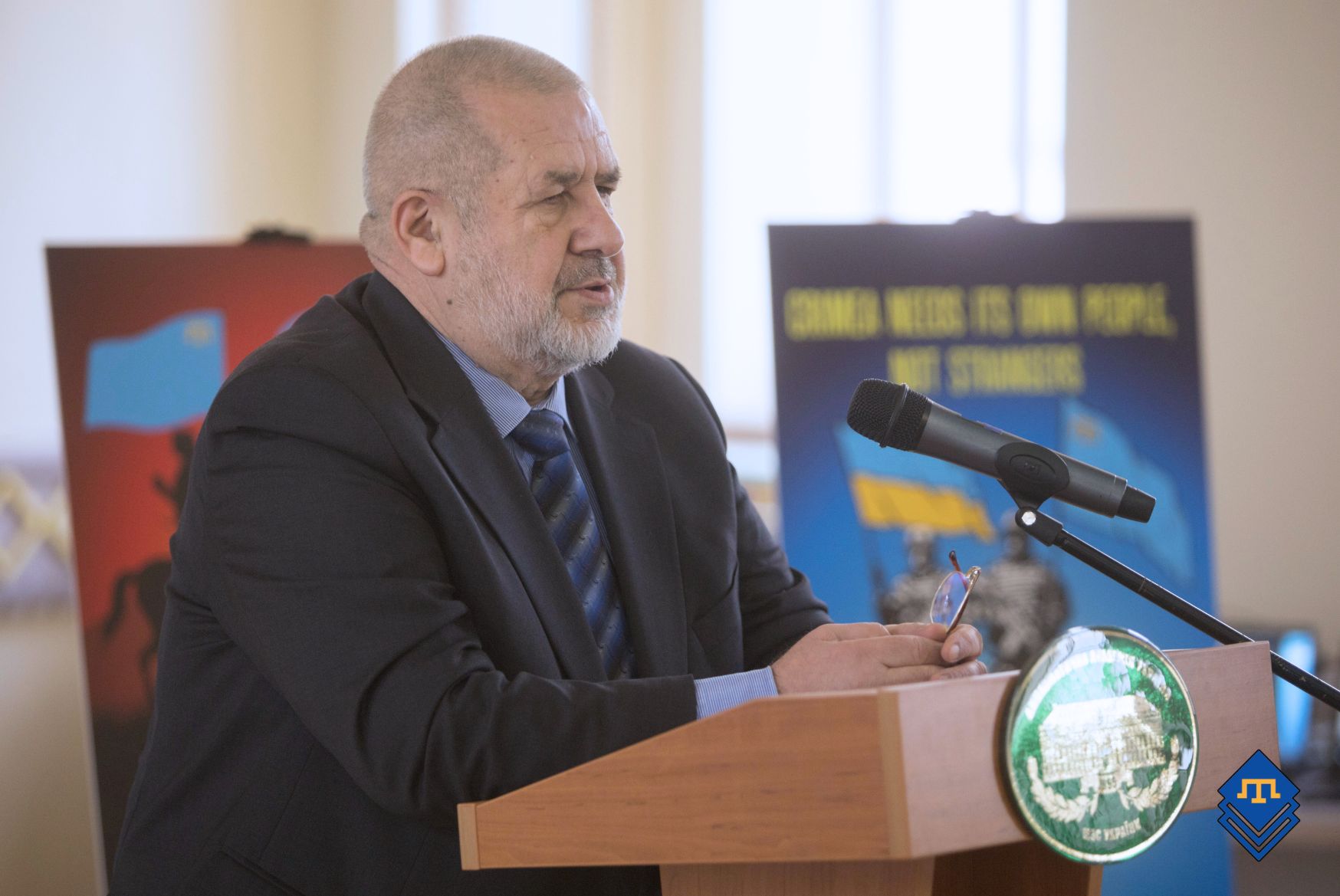
Chairman of the Board of the Crimean Tatar Resource Center Eskender Bariiev stressed the importance of information resistance in the struggle for Crimea.
“This exhibition is the result of the Crimean Tatars’ public diplomacy strategy, which was developed back in 2016. Later we created the international movement #LIBERATECRIMEA, which united Crimean Tatars and Ukrainians in a common struggle. This is why awareness campaigns and projects like this exhibition are extremely important. … The aim of the exhibition is to emphasize that the struggle for Crimea has not stopped, and the world continues to support Ukraine and the Crimean Tatar people in their quest for justice,” – he said.
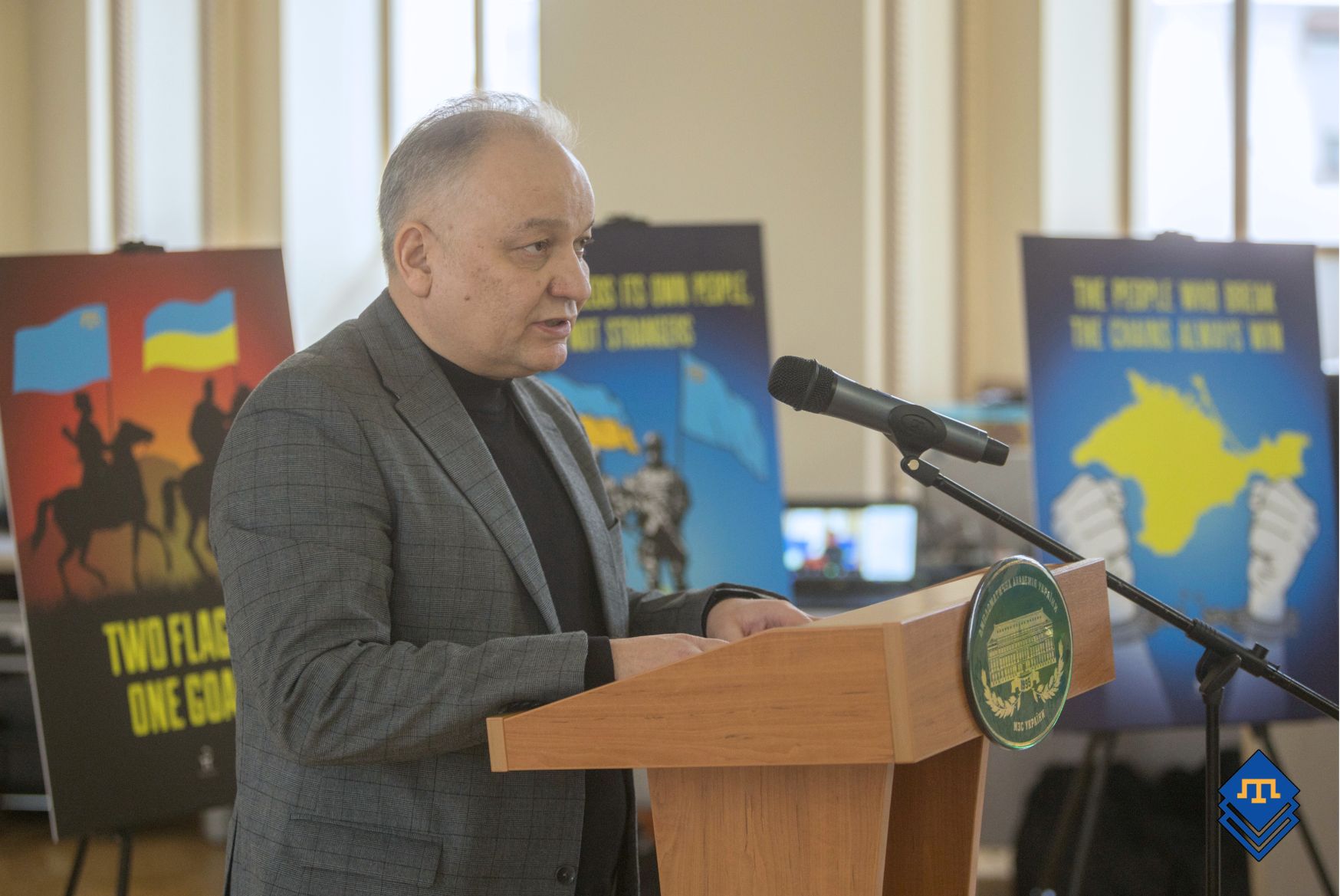
Eskender Bariiev also noted the necessity to develop the international Crimea Platform as an effective tool:
“It is very important for us that the Crimea Platform be institutionalized. Because the International Crimean Platform is the first platform that we have been talking about since 2014, when all the countries that supported not only Crimea gathered. Because the Crimea Platform is not only about Crimea, it is about restoring the territorial integrity of the whole Ukraine,” – the expert emphasized.
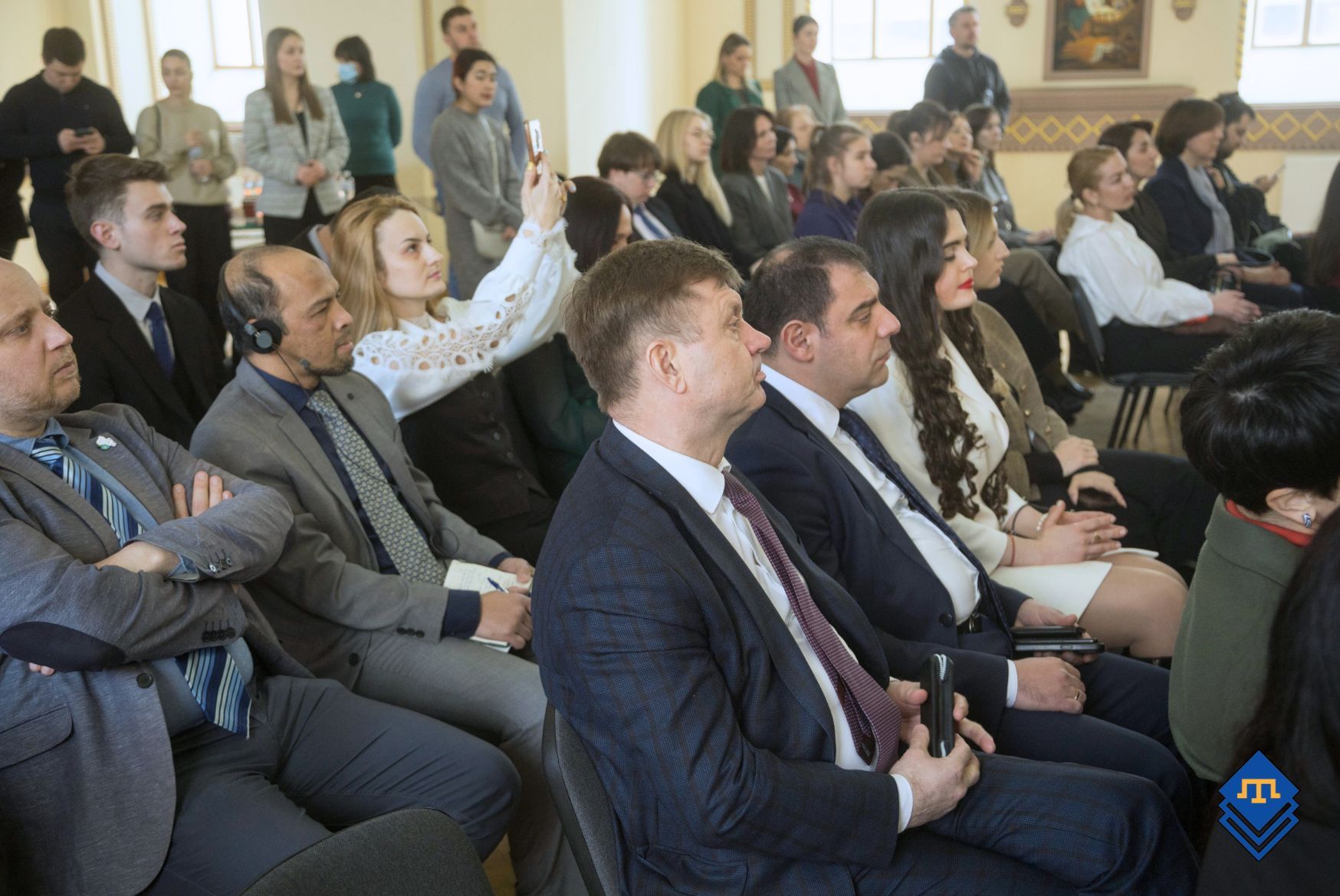
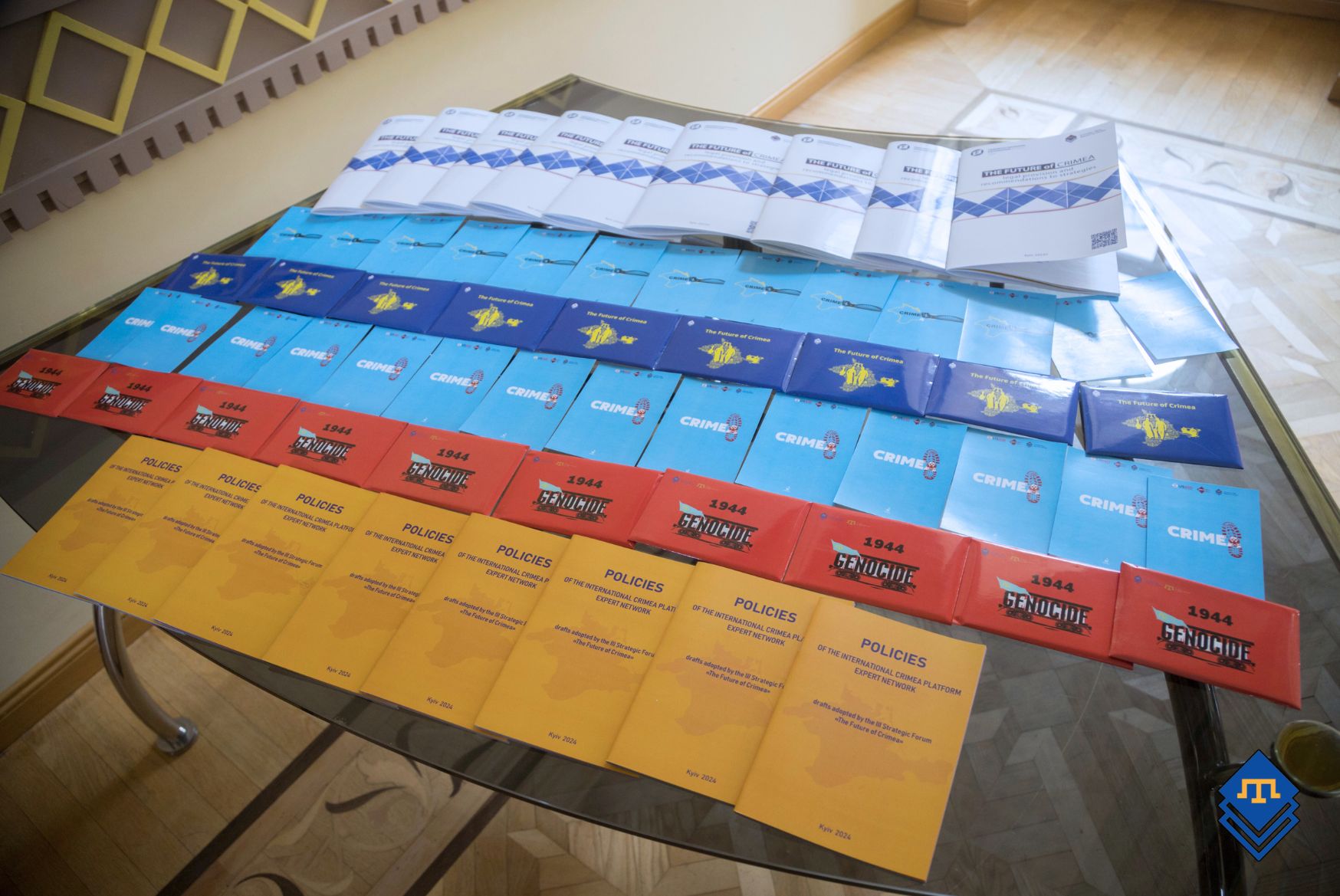
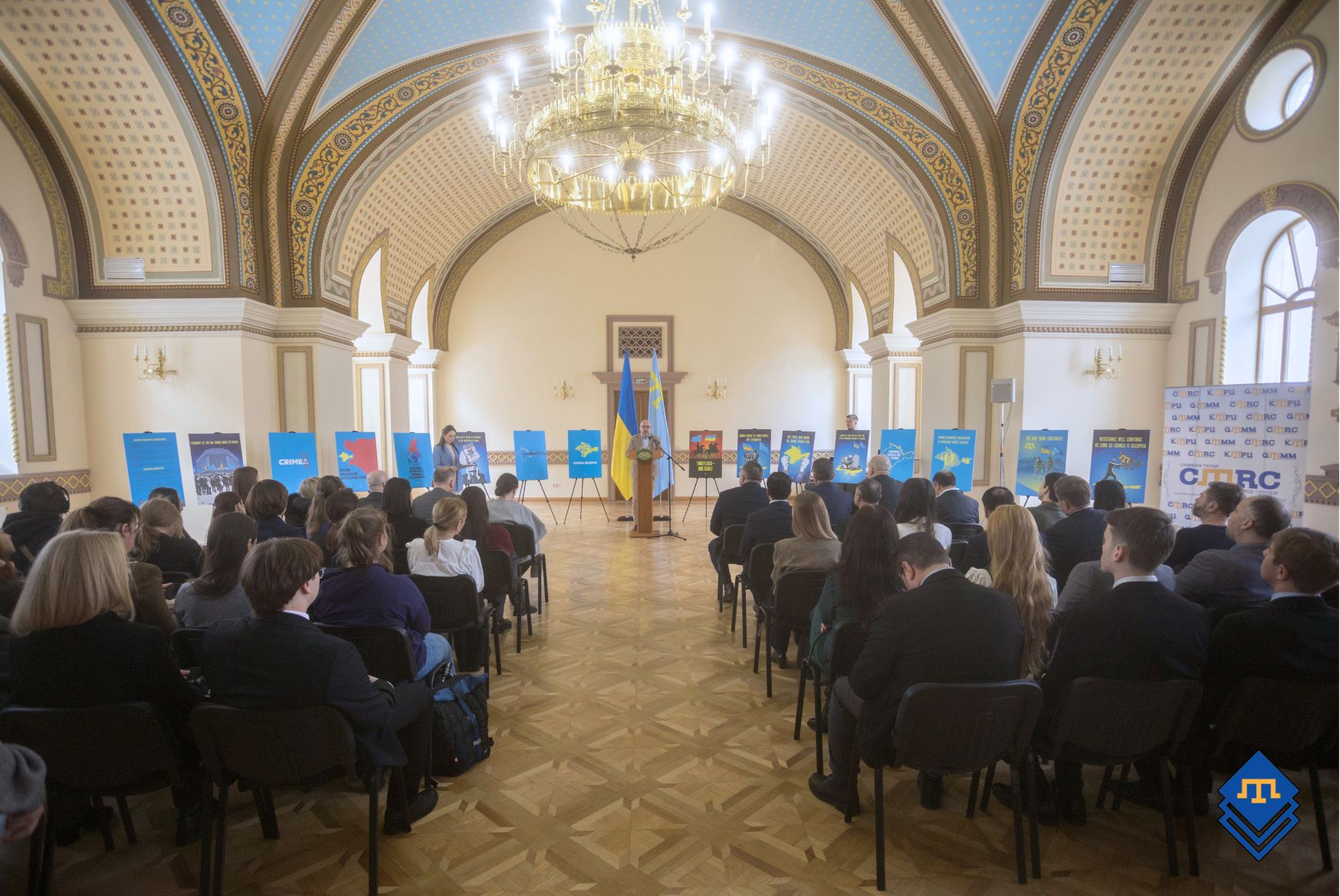
The event was highly attended by representatives of foreign embassies in Ukraine, state authorities, public figures and activists who continue to make efforts to draw attention to human rights violations on the occupied peninsula.