

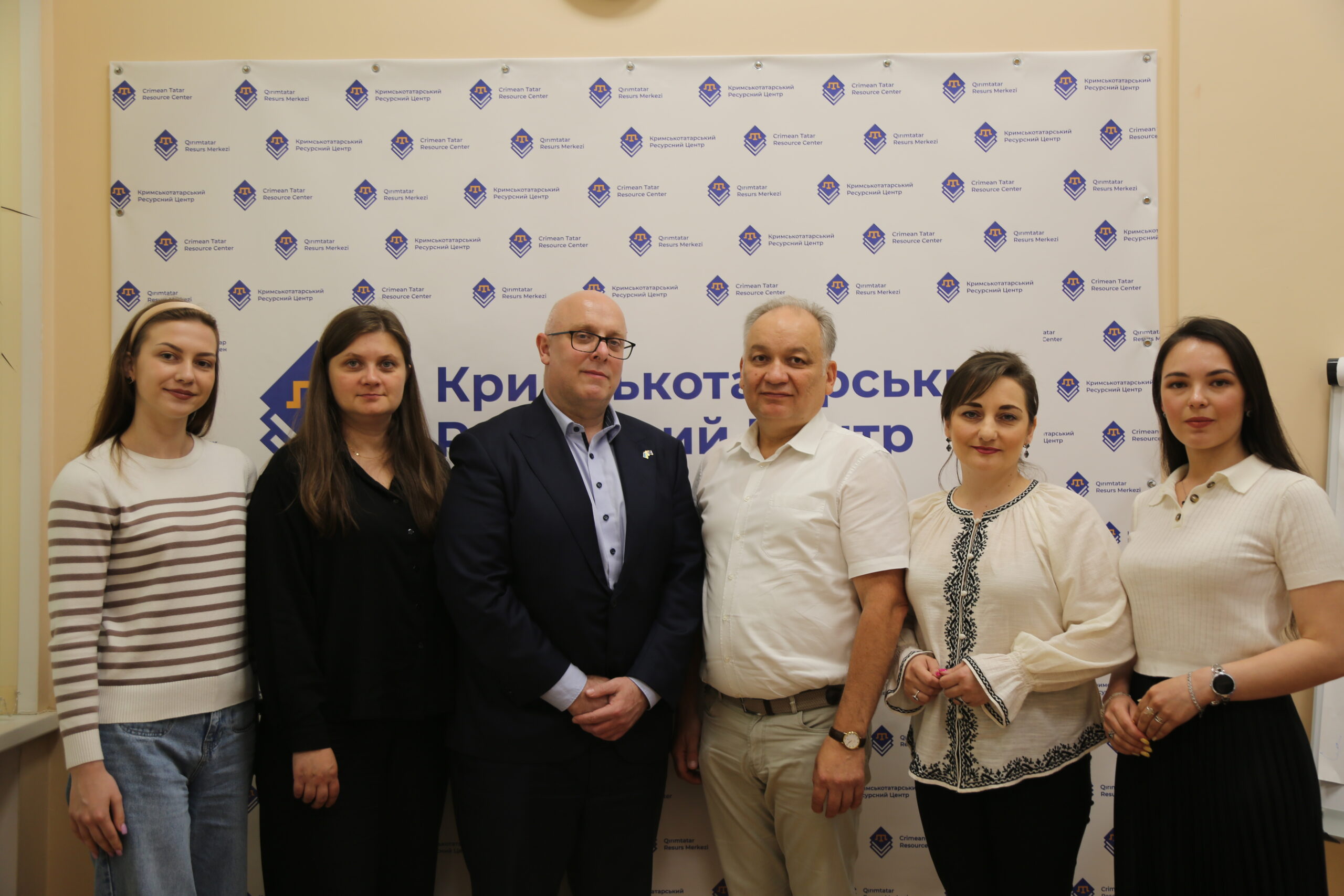
The CTRC and the Australian Embassy agreed on further cooperation
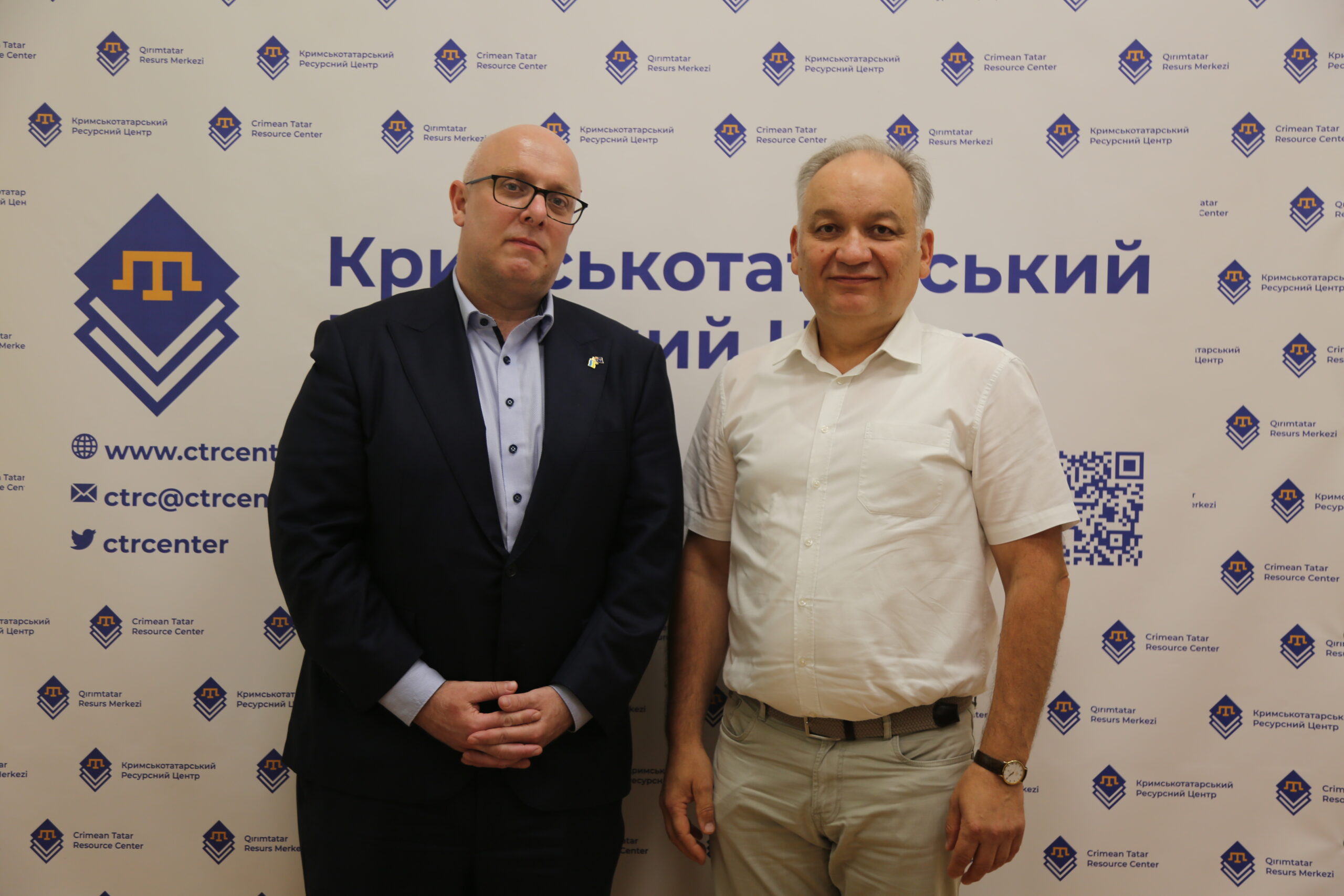
Several days ago, representatives of the Crimean Tatar Resource Center met with the Deputy Head of Mission of Embassy Australia in Ukraine, Mr. Michael McGinley, and the Embassy’s analyst, Anna Shcherbak, during which the parties agreed on further cooperation.
The CTRC was represented at the meeting by the Chairman of the Board, member of Mejlis of the Crimean Tatar people Eskender Bariiev, manager Zarema Bariieva, lawyer Liudmyla Korotkykh, communications managers Tetiana Savchuk and Valentyna Manzhula.
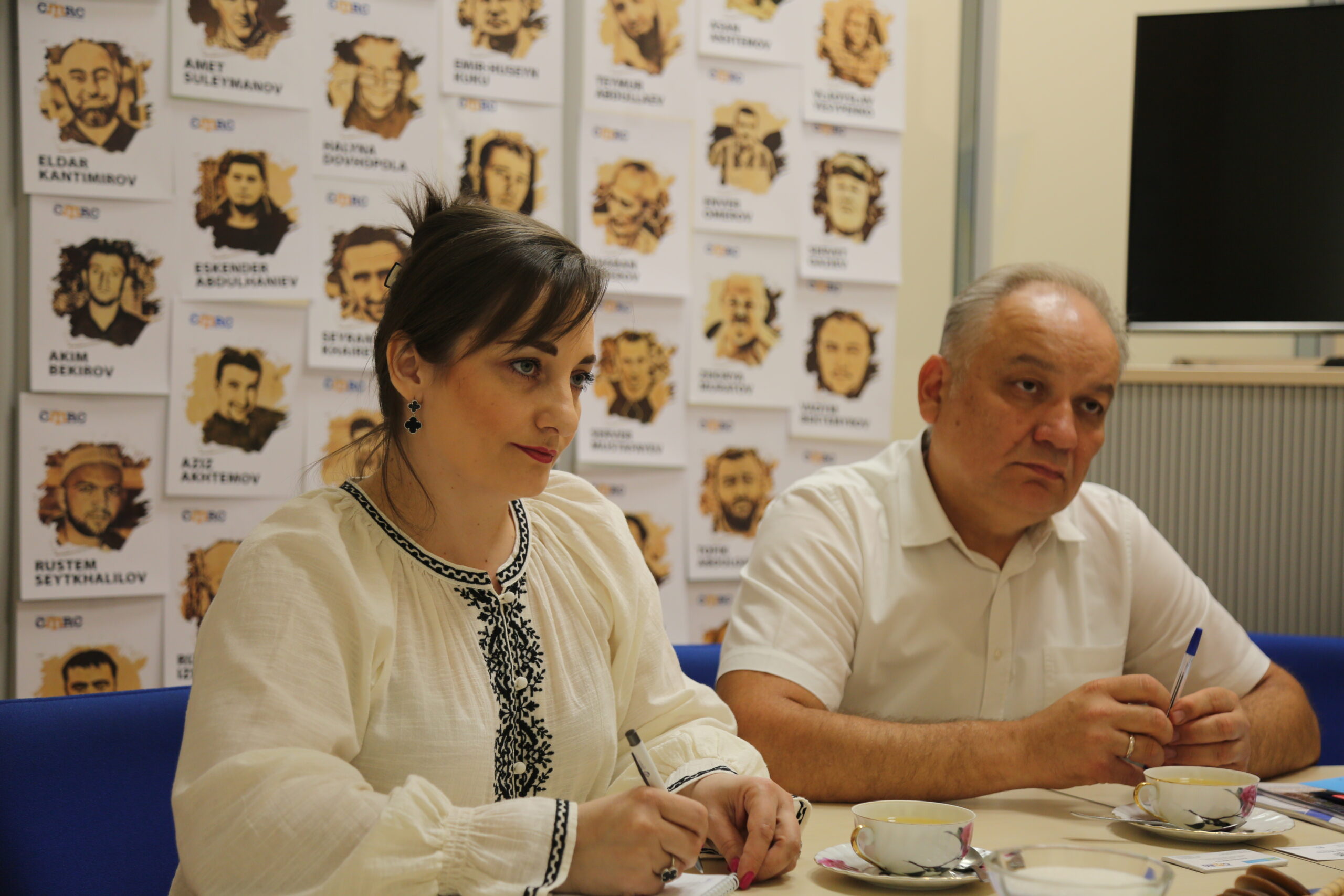
During the meeting, representatives of the CTRC informed about the situation with human rights violations in the temporarily occupied Crimea, as well as in the newly occupied territories of Zaporizhzhia and Kherson regions. The diplomats were familiarized with the information about political prisoners, missing persons and killed as a result of the Russian occupation. The interactive diagrams “Victims of the Occupation of Crimea” developed by the CTRC were also presented, which are publicly available on the organization’s website in four languages and are regularly updated to reflect the latest data on the number of victims on the peninsula.
Mr. Michael McGinley was told about the methodology of collecting, analyzing and verifying information on human rights violations in the temporarily occupied territories of Ukraine, how the CTRC manages to document the facts of repression, persecution, disappearances and torture in conditions of limited access to the peninsula and the newly occupied regions.
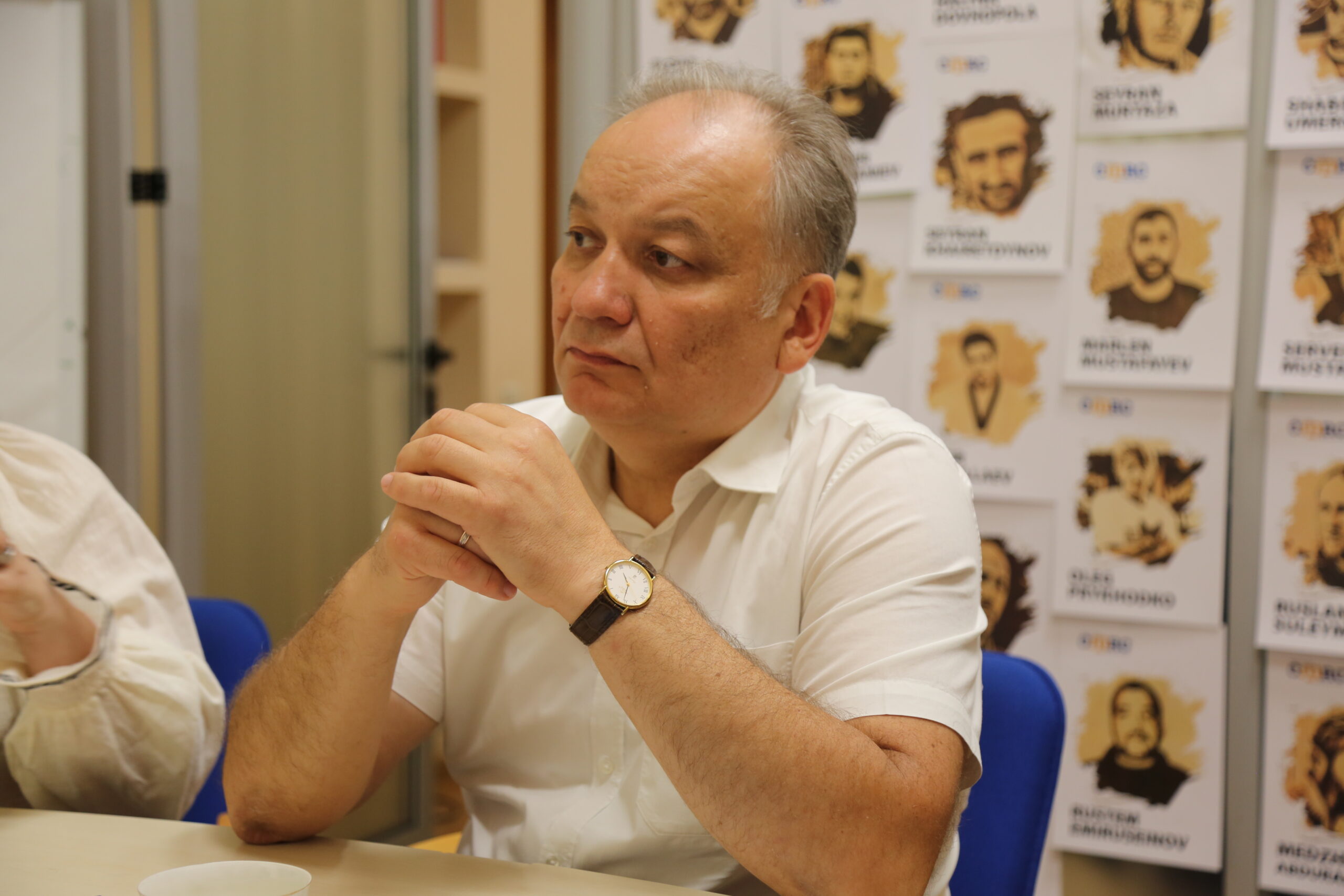
Eskender Bariiev, Chairman of the Board of the CTRC, emphasized that despite the difficult conditions, the organization manages to maintain constant and uninterrupted communication with the victims of repression, their families, relatives, and activists on the ground. It is thanks to this network, trust and solidarity that the CTRC receives primary and verified information about rights violations, which are subsequently documented by our lawyers in accordance with international standards.
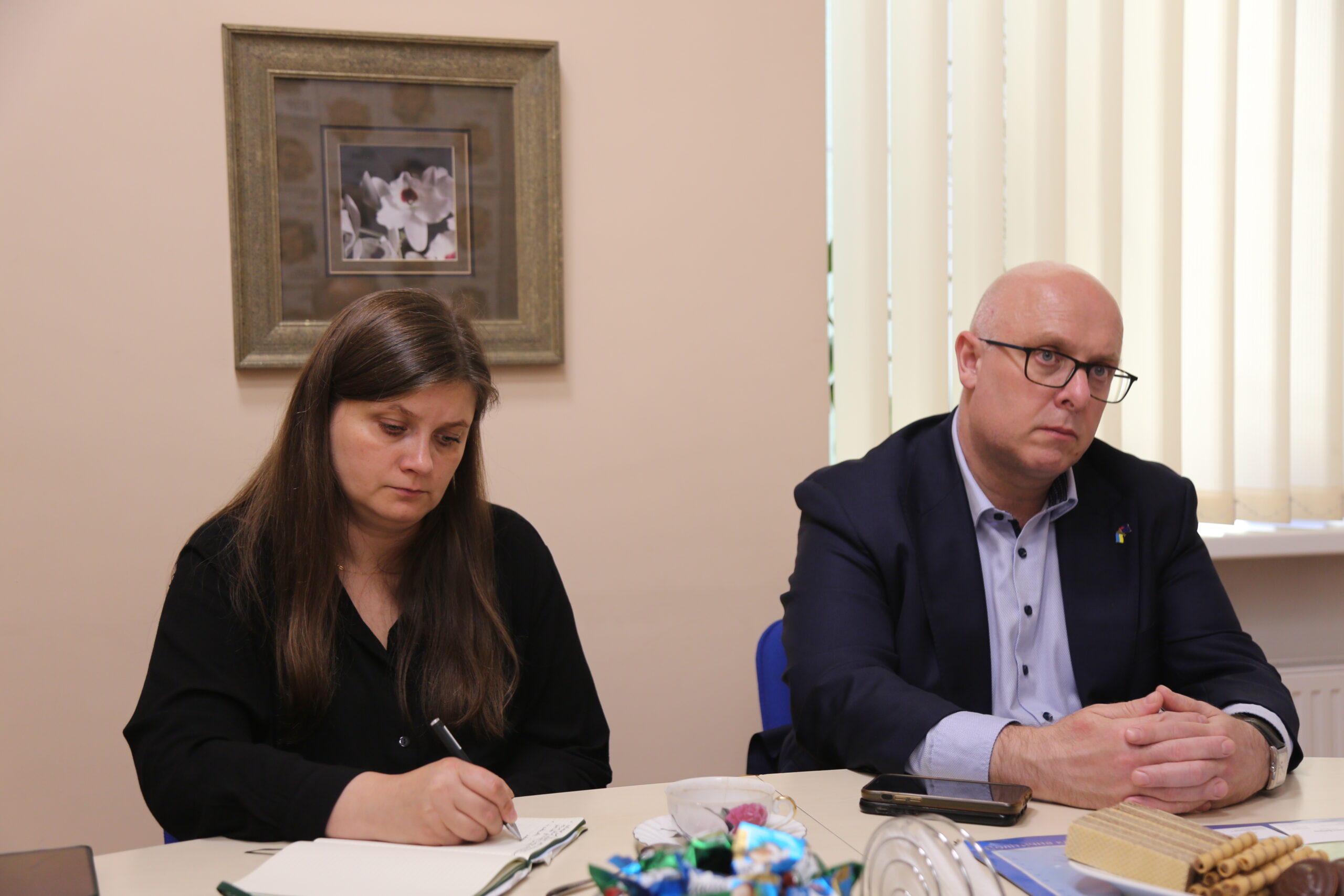
“We cannot know about every case, but we keep in close contact with the victims themselves, their relatives and activists. It is they who provide us with reliable information, which we verify and use for international advocacy,” – explained Eskender Bariiev.
The Chairman of the Board of the CTRC emphasized the importance of documenting the crimes of the Russian Federation in Ukraine. The organization’s experts spoke about the created Register of Human Rights Violations and War Crimes, which covers the period of occupation of Crimea since 2014, as well as events related to the full-scale war. This registry is an important tool for government agencies to systematize data and use it effectively in investigations.
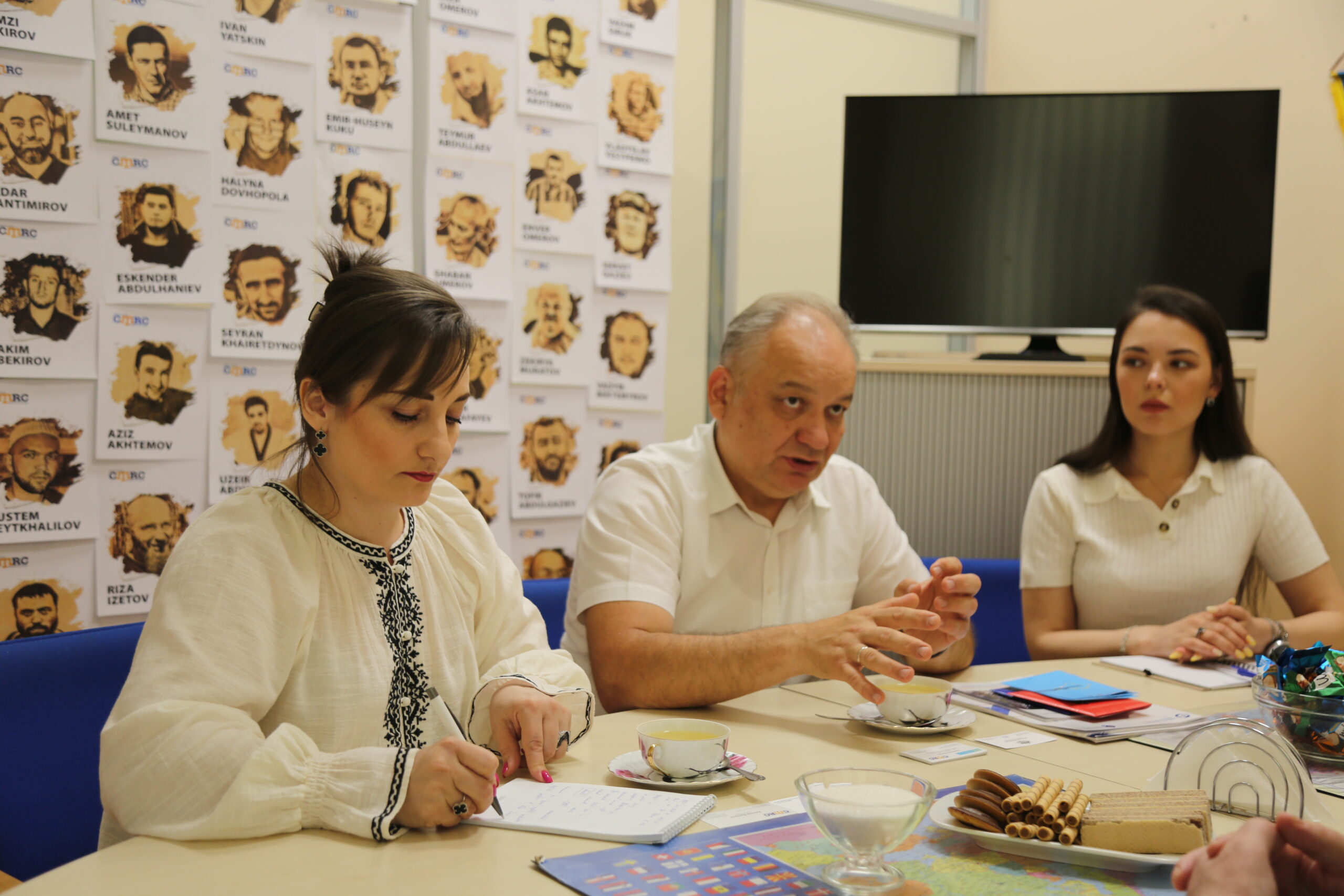
The CTRC representatives voiced a number of proposals for further cooperation to the diplomats:
– Implementation of the “Godfather” (“Atalik”) initiative, which provides political patronage over political prisoners of Crimea and their families; imposing personal sanctions against individuals involved in human rights abuses in the temporarily occupied Crimea, taking into account that Australia has an autonomous sanctions regime. In 2021, the relevant act was amended to allow the country to impose personal sanctions against human rights violators. In this regard, the CTRC will send a sanctions list of 50 individuals responsible for repressions on the occupied peninsula;
– Assistance in the recognition by the Australian Parliament the deportation of the Crimean Tatar people as an act of genocide;
– Support for the protection and development of the rights of indigenous peoples of Ukraine;
The participants of the meeting paid special attention to the topic of reintegration of Crimea. The CTRC team members presented the results and recommendations of the Strategic Forum “The Future of Crimea” – a platform for developing solutions to restore Ukraine’s control over the peninsula, restore the rights of indigenous peoples and protect human rights.
The analytical materials prepared on the basis of the results of the “Future of Crimea” strategic forums were handed over. In particular, given that Australia is a member of the International Crimea Platform, the CTRC provided its analytical findings on the effectiveness of its work. The experts also provided recommendations that could improve the coordination and effectiveness of the Platform’s activities.
The issue of environmental safety was also raised. The Crimean Tatar Resource Center shared the results of its monitoring of the impact of the Russian occupation on the ecosystem of Crimea and said that the CTRC experts had developed a legal qualification of the concept of “ecocide”.For his part, Mr. Michael McGinley, Deputy Head of Mission of Embassy of Australia in Ukraine, thanked for the information provided and emphasized that the CTRC’s experience is extremely valuable in the context of understanding the human rights situation in the occupied territories. He expressed his sincere respect for the CTRC’s activities and noted that he was deeply impressed by the challenges and difficulties that human rights defenders and activists face on a daily basis under the occupation. Mr. McGinley also emphasized the importance of further cooperation and Australia’s openness to constructive dialogue and support in the field of human rights protection.