

Russian President Vladimir Putin has signed a law ‘regulating’ the work of social networks, in particular Telegram, Vkontakte, Odnoklassniki, X, TikTok, YouTube and others.
According to this law, owners of channels or pages with an audience of more than 10 thousand will be obliged to submit information about themselves to Roskomnadzor in the order and composition established by the Russian government.
Once a blogger is on this register, Roskomnadzor will be able to demand that he or she remove ‘unacceptable’ content, and will likely be fined for failure to do so.
For unregistered channels, Russian law establishes a number of prohibitions: on placing advertisements; on reposting by other channels of their posts; on disseminating information about possible ways of financing the channel and its owner.
How will this affect the residents of occupied Crimea?
‘Due to the fact that rf is illegally extending its legislation to the territory of occupied Crimea, this newly signed law will also apply to the territory of Crimea. Of course, any regulation and increased control of media, citizen journalism or social networks leads to a violation of the right to freedom of speech and expression. This could have implications for Crimea, where there are already no independent media outlets, and the main source of information has been social media, where activists and citizen journalists report on what is happening,’ – says Liudmiya Korotkikh, a lawyer with the Crimean Tatar Resource Centre.
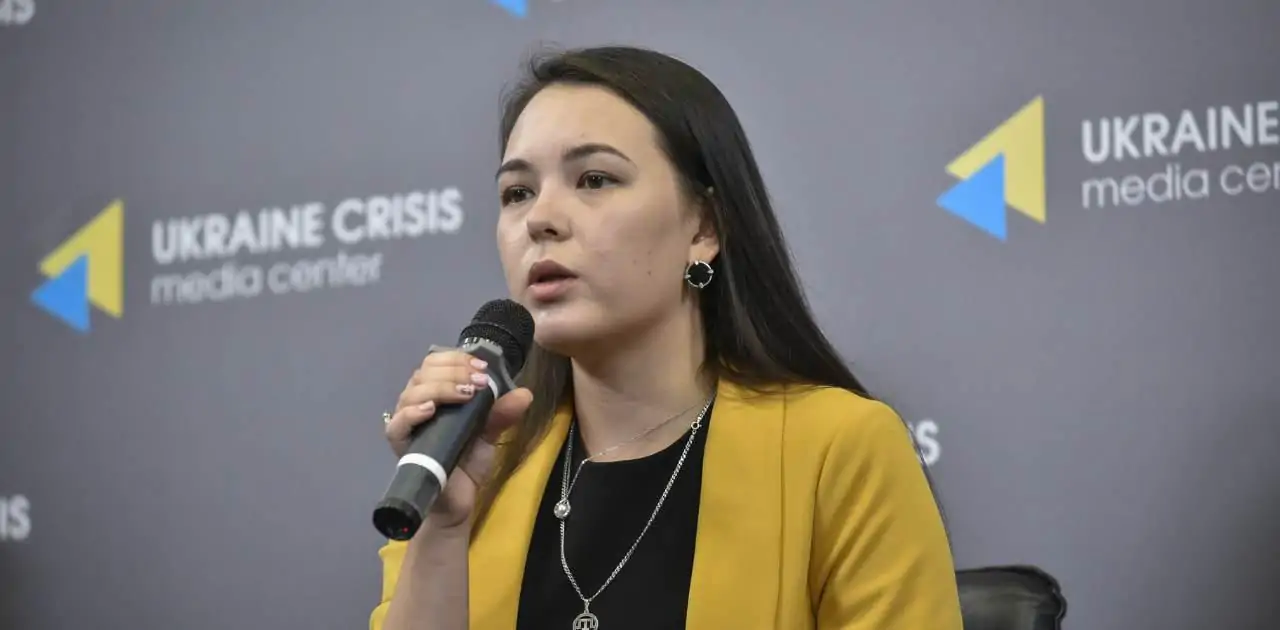
The expert notes that this ‘innovation’ can significantly complicate their activities, as people are already afraid to say too much and try to present information as detached as possible during searches and court hearings.
‘Now Russian authorities can demand the removal of information, and if a telegram channel or the owner of a popular blog, such as YouTube or other social networks, is not registered, this can lead to persecution. This is another tool to put pressure on the administrators of Telegram channels, blogs or groups,’ – she added.
Liudmyla noted that the issue of Facebook and Instagram activities remains open, as they are banned in russia and it is unknown how it will be regulated. However, we all realise that this is another means by which the Russian authorities are trying to fully control the public and information space both in Russia and in the occupied Crimea. This is done in order to control the information that is published and what people consume not only within Russia, but also in the occupied territories. Especially given the fact that there is a war going on and military operations have already started on the territory of russia, a part of the population is starting to ask questions.