
On Thursday, 8 August, a meeting was held at the Mission of President of Ukraine in Crimea to discuss key approaches to the principles and procedures for conducting checks on people living in the occupied territories of Ukraine.
The event was attended by the Permanent Representative Tamila Tasheva, Deputy Permanent Representatives Olya Kurishko and Denis Chistikov, members of the Expert Council at the Mission of President and working groups of the Crimean Platform Expert Network, in particular, the Chairman of the Board of the Crimean Tatar Resource Centre, member of Mejlis of the Crimean Tatar people, coordinator of the working group ‘Restoration of the rights of indigenous peoples of Ukraine – as a tool for deoccupation of Crimea’ Eskender Bariiev and lawyer of the CTRC Liudmyla Korotkikh.

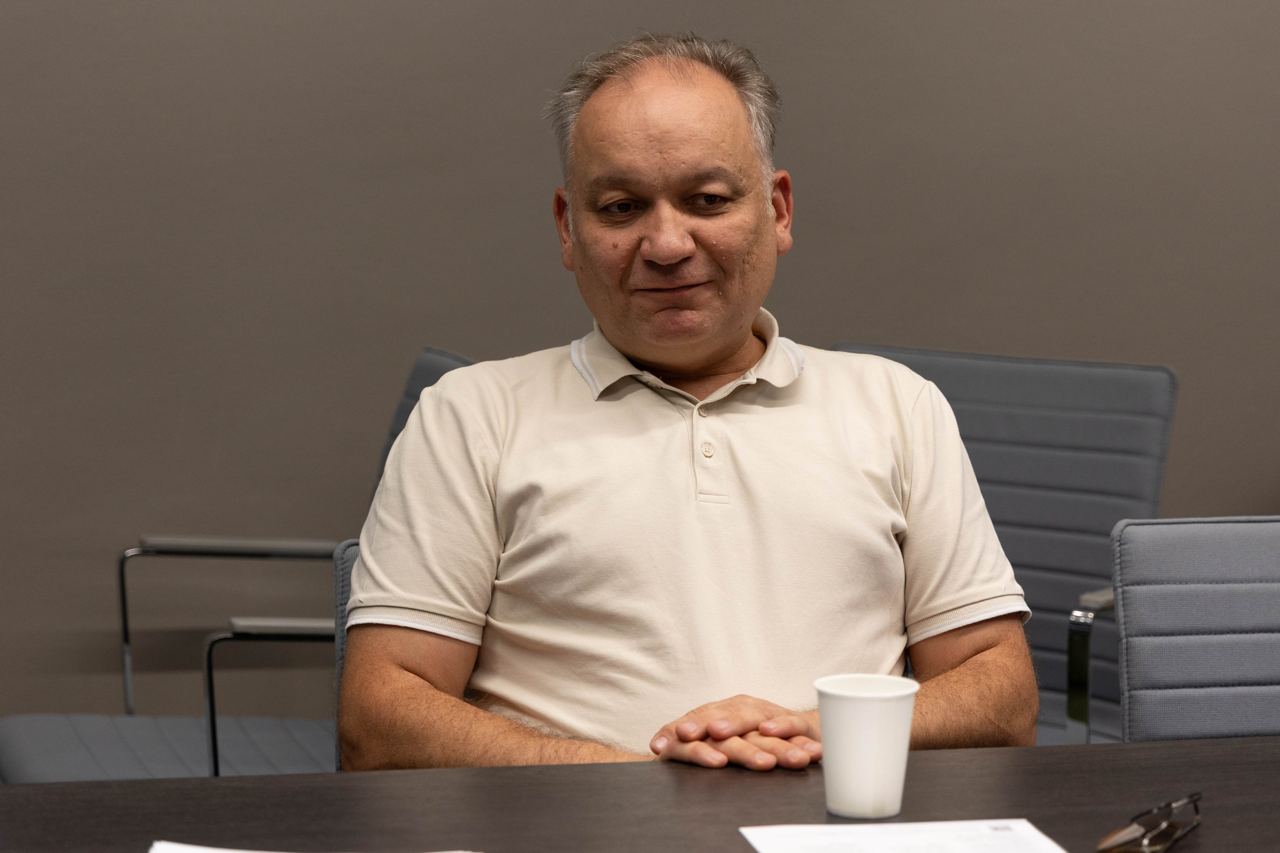
Those present discussed possible mechanisms of checks on people living in the occupied territories of Ukraine. ‘In fact, we should take into account the degree of collation of each person in a separate situation. How, for example, can we compare an official or serviceman who took an oath to Ukraine and defected to the side of the occupier and a doctor who took the Hippocratic Oath and continues to work and provide medical assistance to Ukrainians in the occupied territories? What should be the actions? How can this be assessed?’ – Eskender Bariiev noted.
According to the expert, so far all these questions remain open. In this regard, the CTRC has developed a special methodology, which is an auxiliary tool for people to be able to assess the degree of their collaboration themselves.
This classification can be an important tool for sanctions policy, both for Ukrainian state bodies and international organisations.