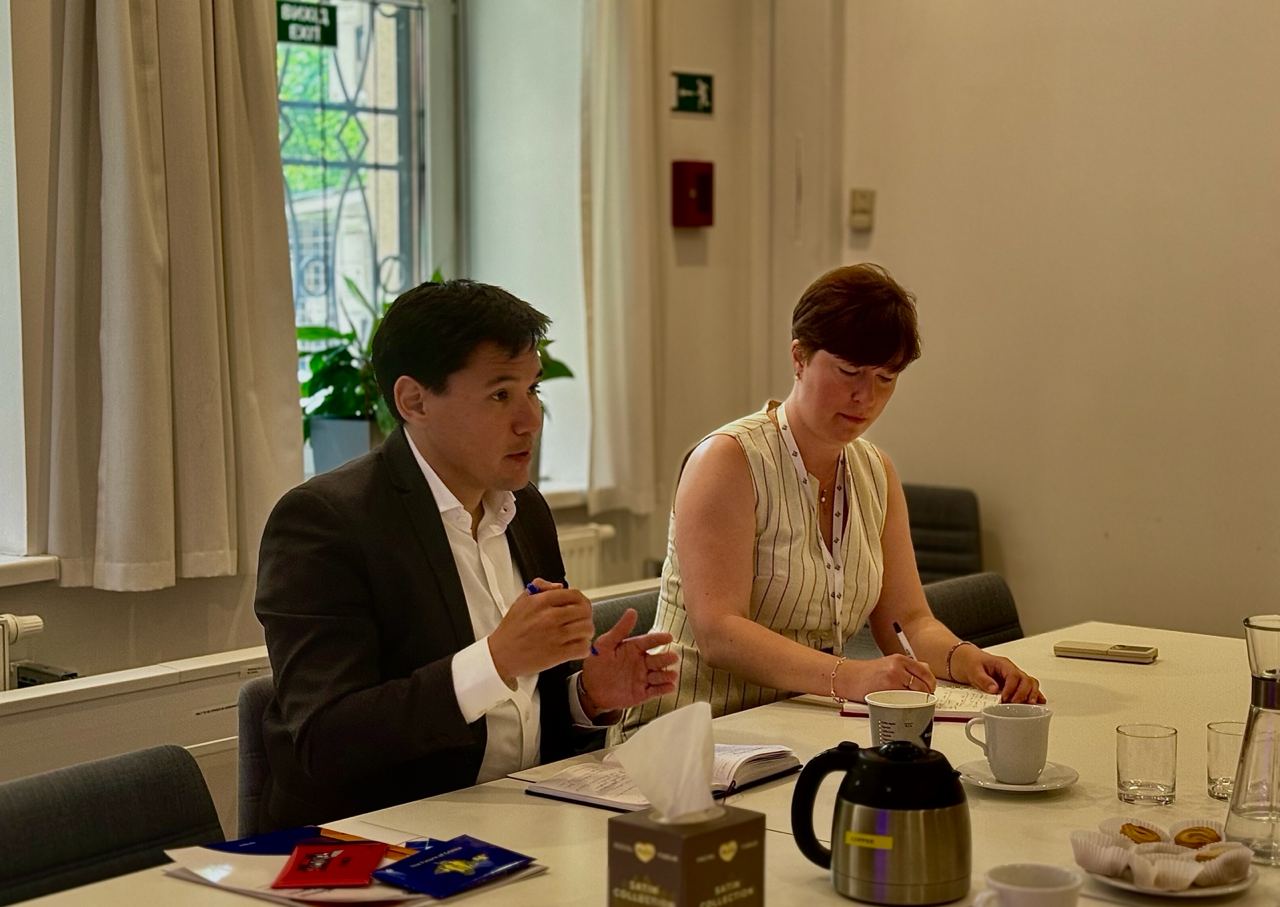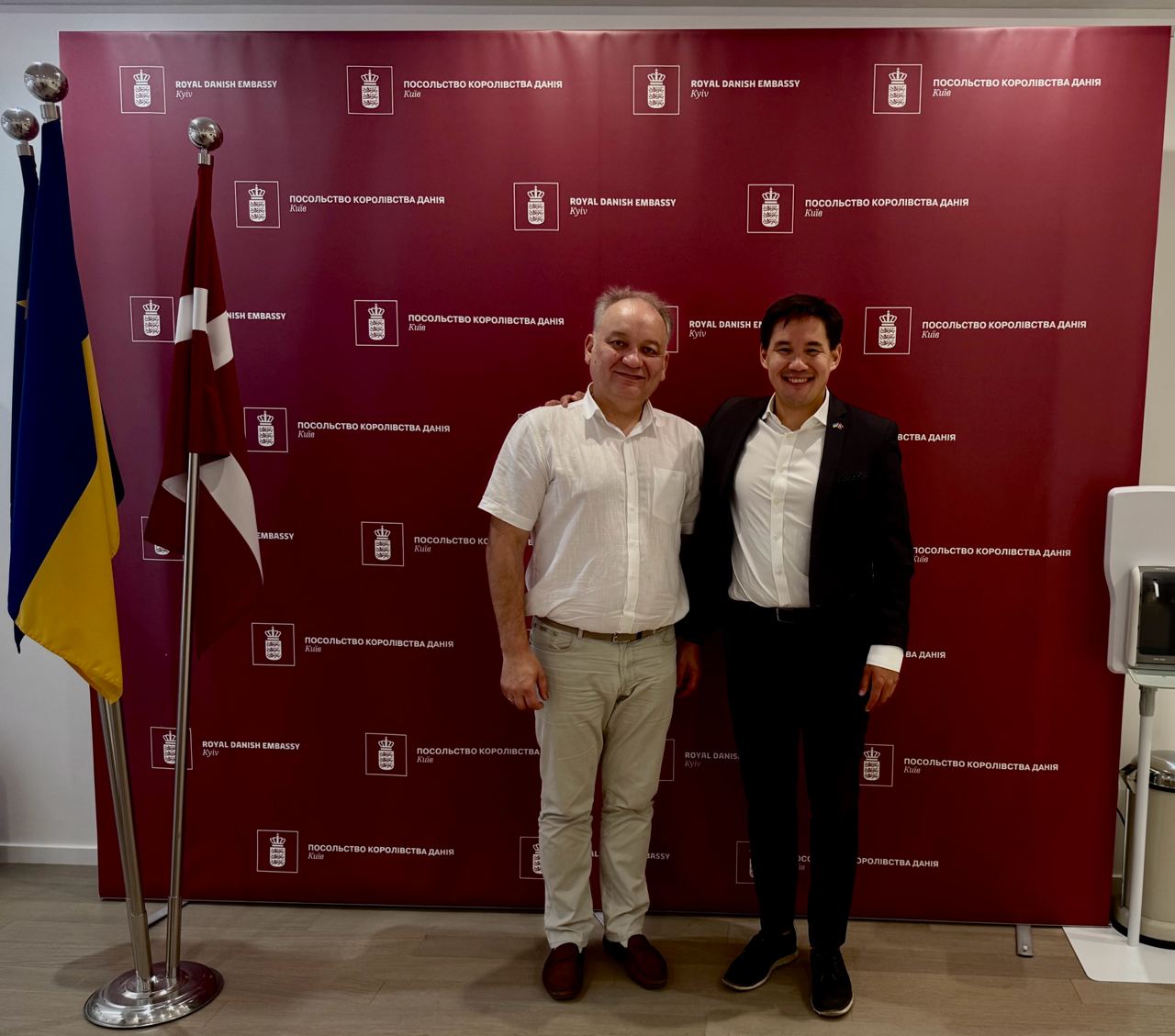


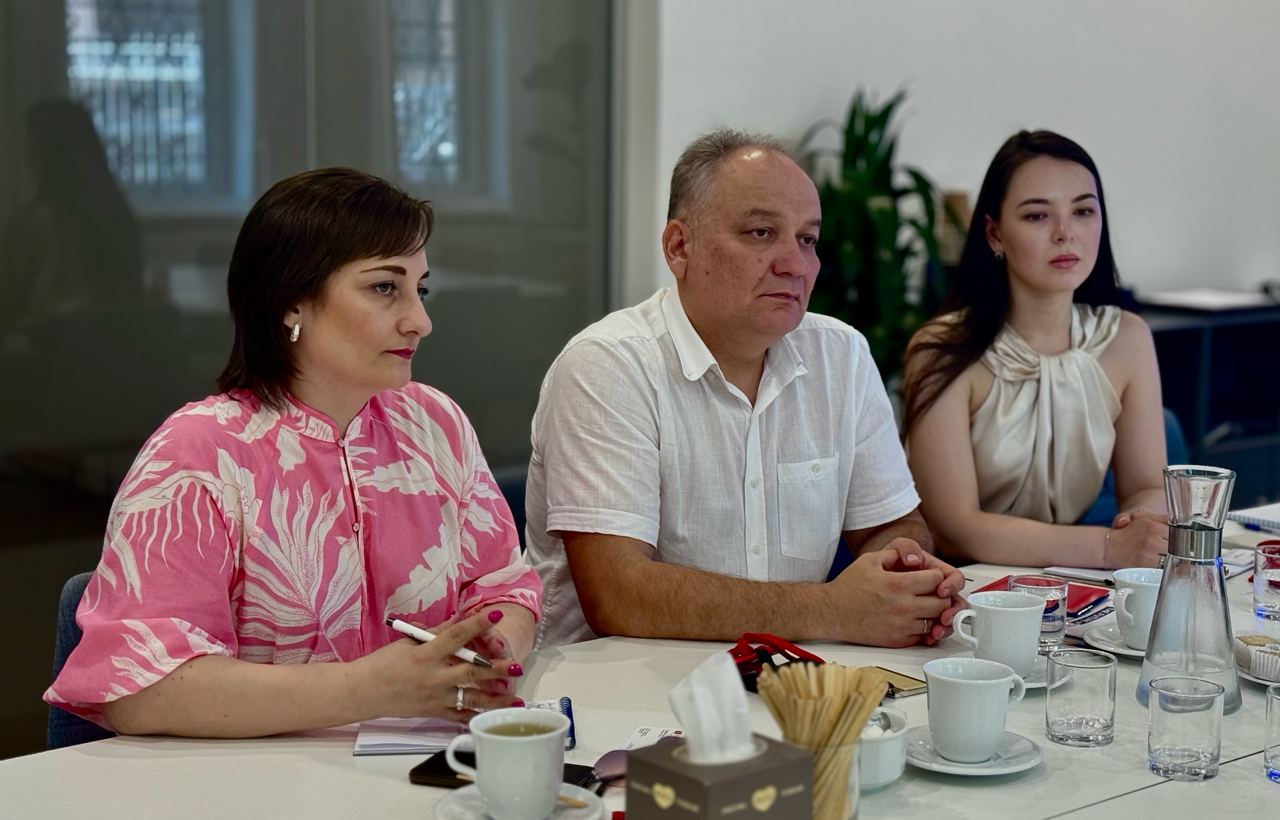
On Monday, July 7, representatives of the Crimean Tatar Resource Center held a meeting with the Deputy Head of Mission of the Embassy of the Kingdom of Denmark in Ukraine, Lars Olaf Sovndal Petersen. The main topic of discussion was the situation with the rights of the indigenous peoples of Ukraine, in particular the Crimean Tatars, and the prospects for cooperation to protect them.
Eskender Bariiev, Chairman of the Board, member of Mejlis of the Crimean Tatar People, manager Zarema Bariieva, lawyer Liudmyla Korotkykh and communications manager Tetiana Savchuk represented the CTRC at the meeting.
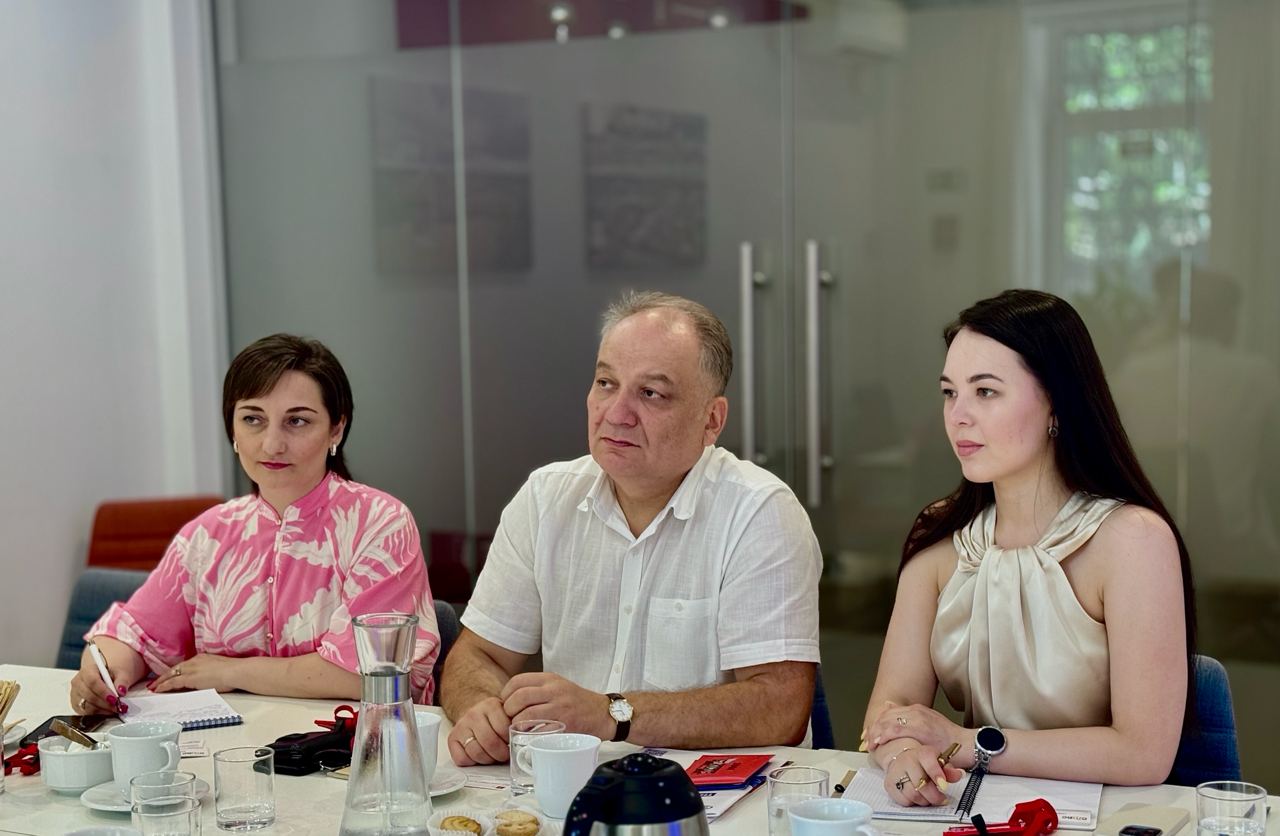
Mr. Petersen stressed that Denmark is an active defender of the rights of indigenous peoples around the world, so it seeks to better understand the situation in Ukraine.
The representatives of the CTRC informed the diplomat in detail about the directions of the organization’s activities:
– monitoring and documenting human rights violations and war crimes in occupied Crimea and the newly occupied territories of Kherson and Zaporizhzhya regions;
– protection of the collective rights of the indigenous peoples of Ukraine, in particular the Crimean Tatar people;
– environmental security under the occupation of Crimea;
– deoccupation and reintegration of the peninsula.
“Crimean Tatar Resource Center is the only public organization in Ukraine, which systematically works towards the protection and implementation of the rights of the indigenous Crimean Tatar people”, – stressed Eskender Bariiev.
- The CTRC experts also presented to the diplomatic envoy:interactive chart “Victims of the occupation of Crimea”, which is regularly updated and contains relevant information on political prisoners, missing and dead during the occupation of the peninsula;
- register of human rights violations and war crimes, which covers the period of occupation of Crimea since 2014, as well as events related to the full-scale war;
- database of human rights violators in occupied Crimea.
In particular, speaking about the human rights violators in occupied Crimea, the CTRC lawyer Liudmyla Korotkykh noted the importance of imposing personal sanctions against them. Despite the fact that Denmark does not have an autonomous sanctions regime, as a member of the EU it can initiate the imposition of personal sanctions against human rights violators. For this purpose, the CTRC will hand over a verified sanctions list of 50 people responsible for human rights violations in occupied Crimea.
Special attention was paid to the topic of the rights of indigenous peoples. In particular, it was emphasized that the Mejlis of the Crimean Tatar people and the CTRC team have been actively working since 2014 on the adoption of the Law of Ukraine “On the Indigenous Peoples of Ukraine”, as well as systematically highlighting the problems of the three indigenous peoples on such international platforms as the UN Permanent Forum on Indigenous Issues and the Expert Mechanism on the Rights of Indigenous Peoples.
“The CTRC, as an indigenous people organization, has played an important role in the international indigenous movement, contributing to the UN General Assembly’s decision to declare 2019 the International Year of Indigenous Languages. Thanks to this initiative, the Decade of Indigenous Languages (2022-2032) was launched to preserve and develop endangered indigenous languages. As a result, Ukraine has already adopted a concept and strategy for the development of indigenous languages in Ukraine, which is an important step in their preservation,” Bariiev explained.
In addition, CTRC is also one of the founders of the Global Network of Indigenous Peacebuilders, Negotiators and Mediators. In April 2024, the First Global Summit was held in Washington, DC. The result of nine months of the Network’s activities was the adoption of the UN General Assembly Resolution on Indigenous Peacebuilding on December 17, 2024.
Zarema Bariieva, the manager of the CTRC, emphasized the need to create a regional indigenous kokus of the Eastern European sociocultural region.
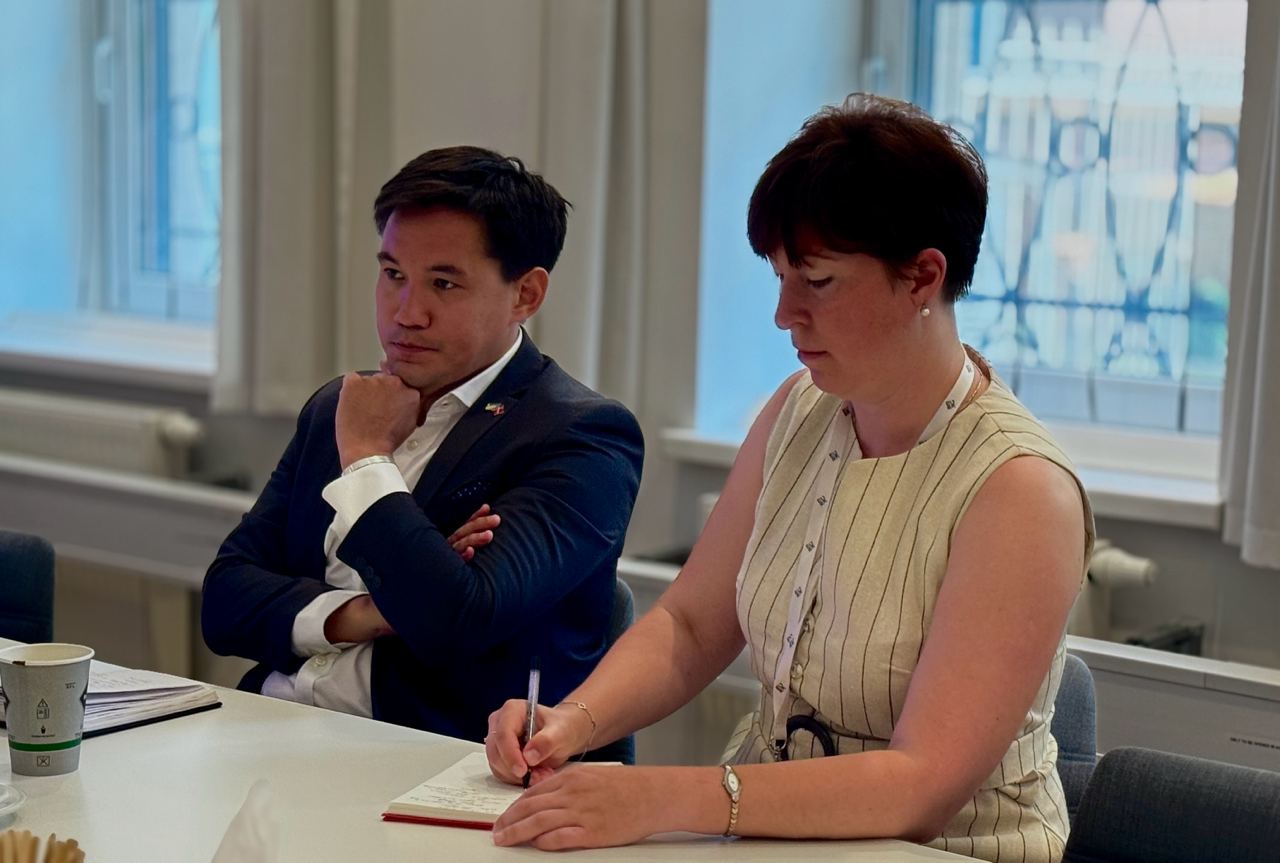
“Unfortunately, until now, unlike other sociocultural regions, the Eastern European cocus still does not exist. This is due to the total dominance of the rf in indigenous issues in this region,” she explained.
The participants of the meeting paid special attention to the topic of Crimea reintegration. The members of the CTRC team spoke about the results and recommendations of the Strategic Forum “The Future of Crimea” – a platform for developing solutions to restore Ukraine’s control over the peninsula, restore the rights of indigenous peoples and protect human rights.
Analytical materials prepared based on the results of the Strategic Forum “The Future of Crimea” were handed over. In particular, taking into account that Denmark is a participant of the International Crimea Platform, the CTRC handed over its analytical work on the effectiveness of its work. The experts also provided recommendations that could improve the coordination and effectiveness of the Platform’s activities.
The interlocutors also discussed the importance of the Danish Parliament recognizing the deportation of the Crimean Tatar people as an act of genocide.
“This recognition is very important for the protection of the rights of the indigenous Crimean Tatar people. We call on parliaments to recognize the 1944 deportation as an act of genocide and the modern occupation of Crimea in 2014 as its continuation. This is not only historical justice, but also a step towards ending Russia’s impunity. It would be extremely important if Denmark becomes the next country to recognize this crime as an act of genocide,” -stressed Eskender Bariiev .
He also said that the CTRC will hand over the relevant package of documents, which will include:
- Appeal of the Mejlis of the Crimean Tatar people to all parliaments of the UN member states on the recognition of the deportation of the Crimean Tatar people as an act of genocide;
- Appeal of the Crimean Tatar Resource Center to the Parliament of Denmark;
- Copies of the resolution of the Verkhovna Rada of Ukraine “On the recognition of the genocide of the Crimean Tatar people”;
- Legal qualification of the deportation of the Crimean Tatar people as an international crime against the indigenous people.
In addition, Eskender Bariiev reminded Mr. Lars Olaf that Greenland had a national football team that participated in the 2006 Elf Cup tournament. In this context, Bariiev proposed to organize a friendly match between the Crimean Tatar national team and the Greenland team. The idea aroused sincere interest of the diplomat, who gladly noted that he would gladly join such a tournament himself.
Mr. Lars Olaf Sovndal Petersen, in turn, expressed solidarity with the Ukrainian and Crimean Tatar peoples, who continue to fight for freedom, rights and justice. He also emphasized the importance of awareness of the indigenous peoples of Ukraine and expressed readiness for further cooperation.