

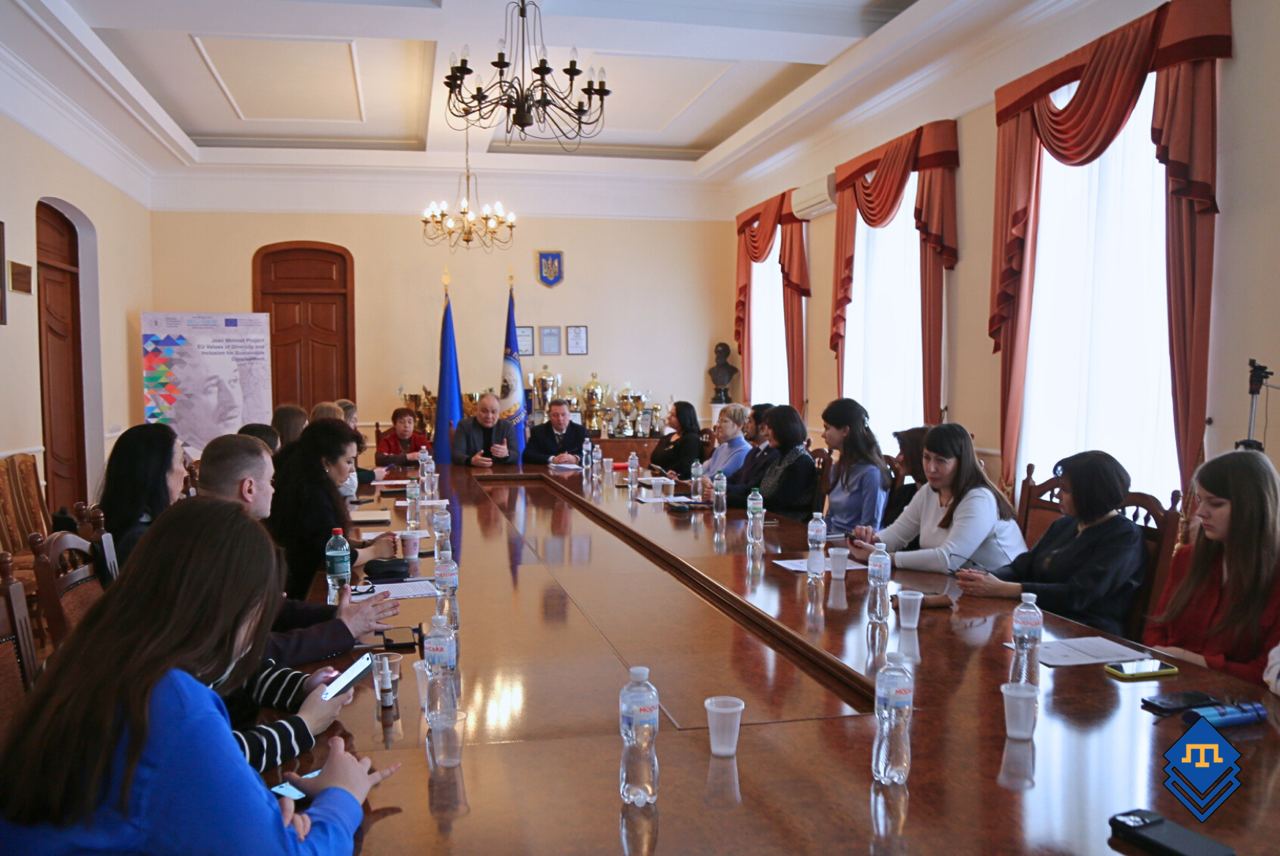
On Friday, February 28, the Ukrainian State University named after Mykhailo Dragomanov in Kyiv hosted a roundtable discussion on “Crimean resistance in the context of the liberation war in Ukraine” dedicated to the 11th anniversary of the resistance to the occupation of the peninsula.
Eskender Bariiev, Chairman of the Board of the Crimean Tatar Resource Center, Member of Mejlis of the Crimean Tatar people, Eskender Bariiev, Director of the Training and Research Center “Institute of Social, Legal and Political Studies named after Alexander Yaremenko”, Doctor of Political Science, Professor Konstantin Zakharenko, Doctor of Philosophy, Dean of the Faculty of Social and Humanities of the Volodymyr Dahl East Ukrainian National University, Svetlana Kuzmina started the event with welcoming words.
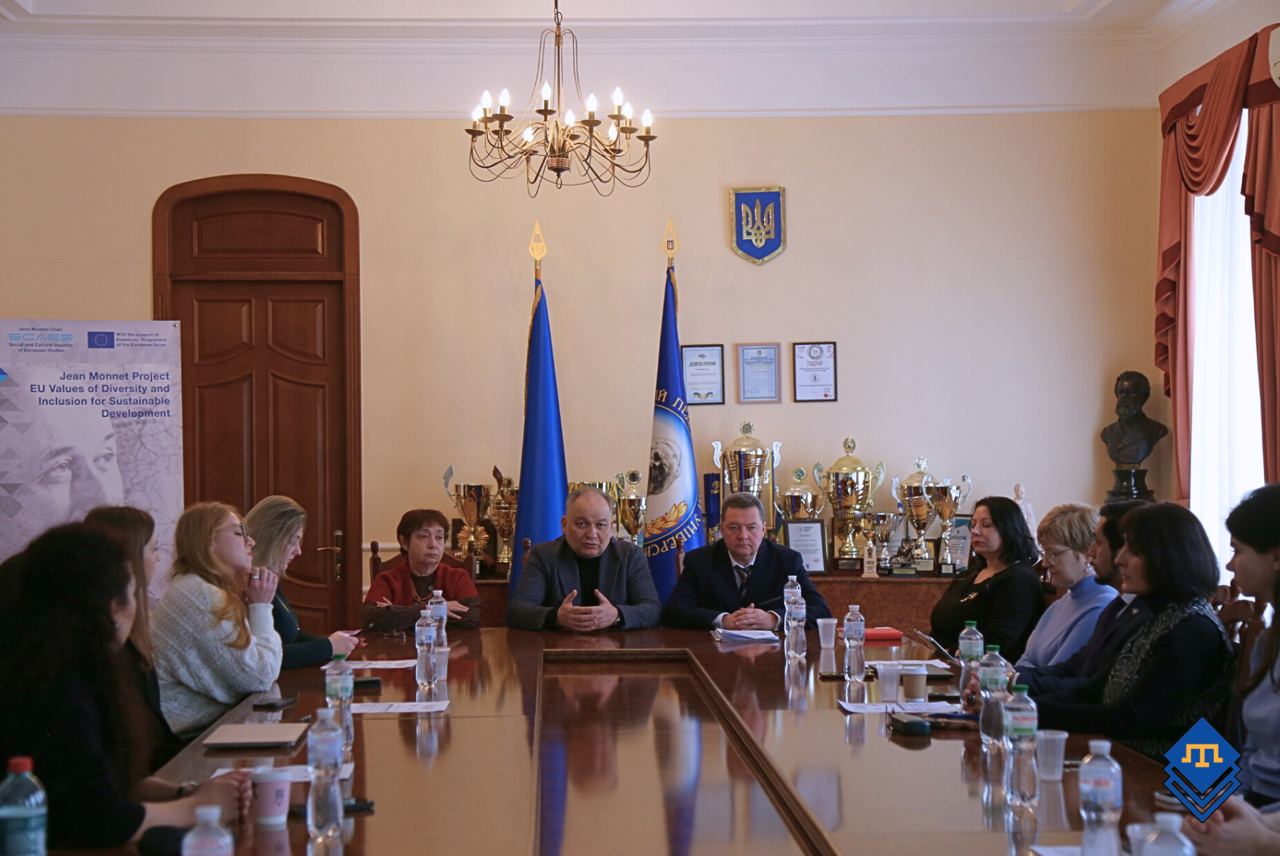
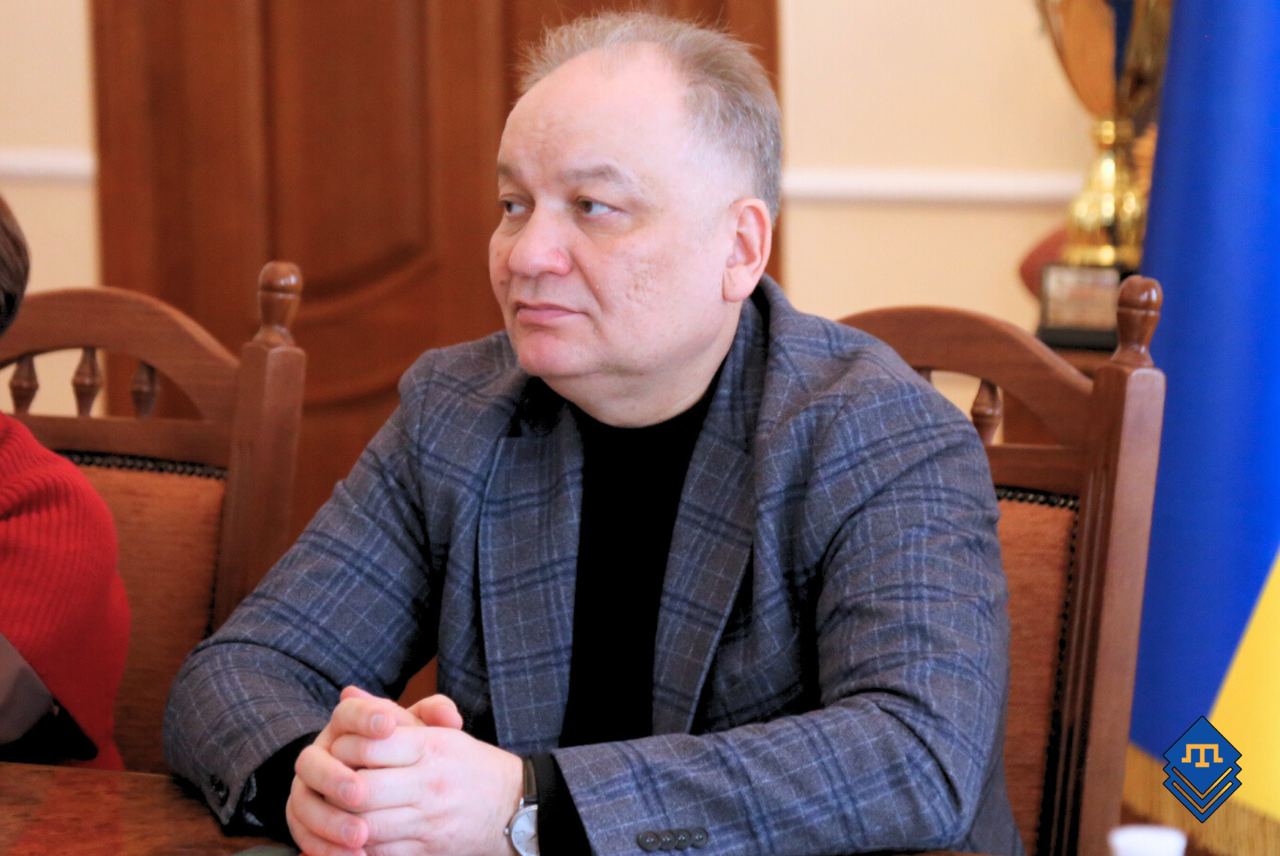
“We are commemorating the 11th anniversary of resistance to the occupation of the Autonomous Republic of Crimea and the city of Sevastopol (Akyar). This is already a whole generation, and we should not only remember these events, but also draw conclusions. How to analyze the dynamics? What real steps should we take next? Unfortunately, these questions still remain without proper attention,” – Eskender Bariiev believes.The Chairman of the Board of the CTRC emphasized that all deoccupation processes should be based on expert research, analytics and recommendations. It is important to involve real scientists and young specialists-analysts, graduate students, undergraduates, who should already think: what should be done next?
What happens if the occupation drags on for another 10 years?
“We are witnessing how democratic countries that previously provided guarantees to Ukraine are now beginning to question them. This is a challenge for all of us, and therefore the international community must strengthen its role in supporting the struggle of Ukraine and the Crimean Tatar people for justice,” – he added.Director of the Educational and Research Center “Oleksandr Yaremenko Institute of Socio-Legal and Political Studies”, Doctor of Political Science, Professor Kostiantyn Zakharenko stressed the importance of the topic of Crimea in the context of the liberation war, noting that it should not disappear from international attention, but should remain on the agenda of the world community.
“It started with Crimea – it will end with Crimea. Our task is to ensure that this problem is constantly heard on the global arena, and our goal is the liberation of all territories of Ukraine. We must clearly move towards this goal, realizing that it will definitely be achieved. Despite the changing political situation and news flow, our task is to develop effective mechanisms and use all opportunities to move forward”, – summarized Kostiantyn Zakharenko.
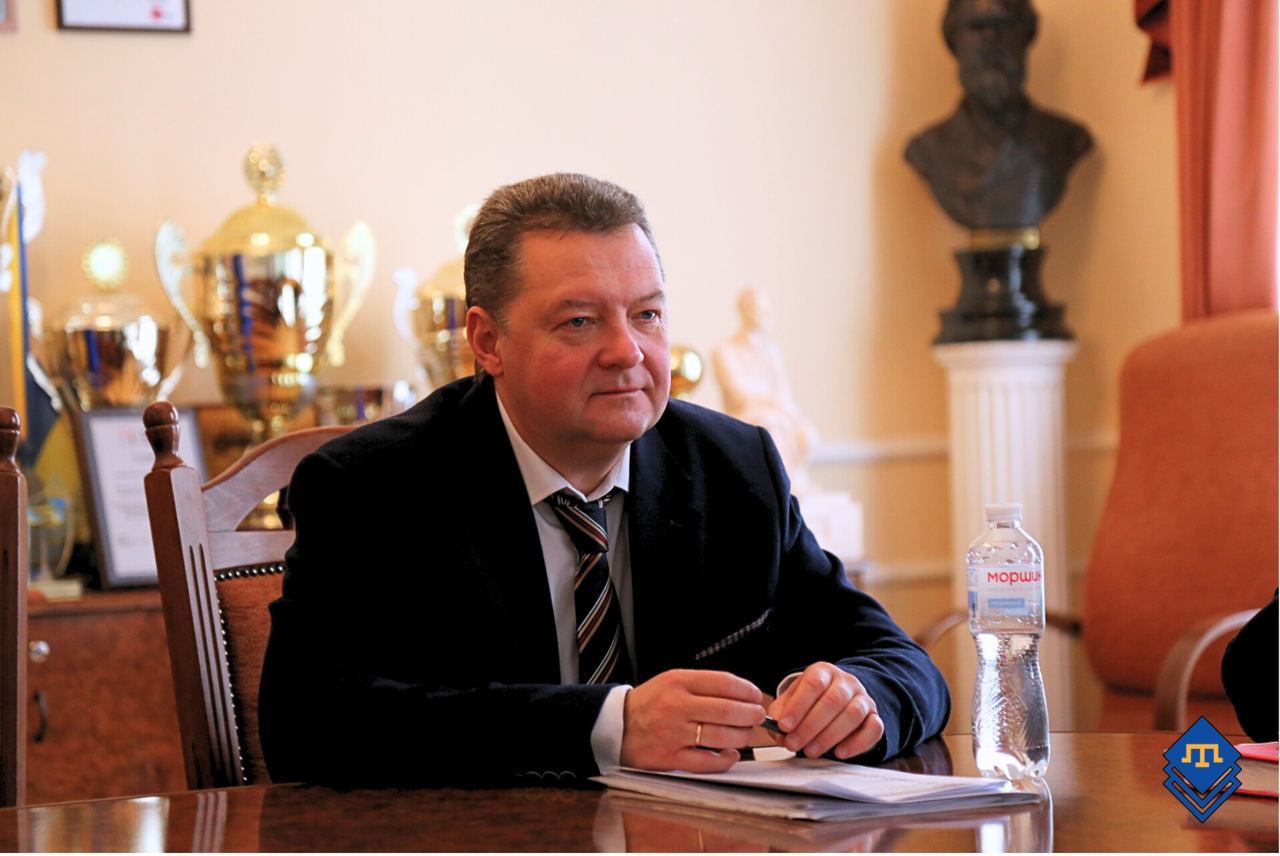
Svetlana Kuzmina, Doctor of Philosophy, Dean of the Faculty of Social Sciences and Humanities of Volodymyr Dahl East Ukrainian National University, emphasized the importance of unity of scientists and educators in the struggle for the return of the temporarily occupied territories, in particular Crimea.“Our university community is deeply aware of the necessity of unity in order to regain Crimea not only territorially, but also mentally. We must ensure that Crimea is on the minds of Ukrainians, and scholars, educators, and universities can contribute greatly to this. We can bring back what we love, and we love what we know. Unfortunately, now the knowledge about Crimea in Ukraine is superficial, and it is very important for Ukrainians to realize that it is the activities of the Crimean Tatar Resource Center and Crimean Tatars that help Ukraine feel like a united political nation”, – said Svetlana Kuzmina.
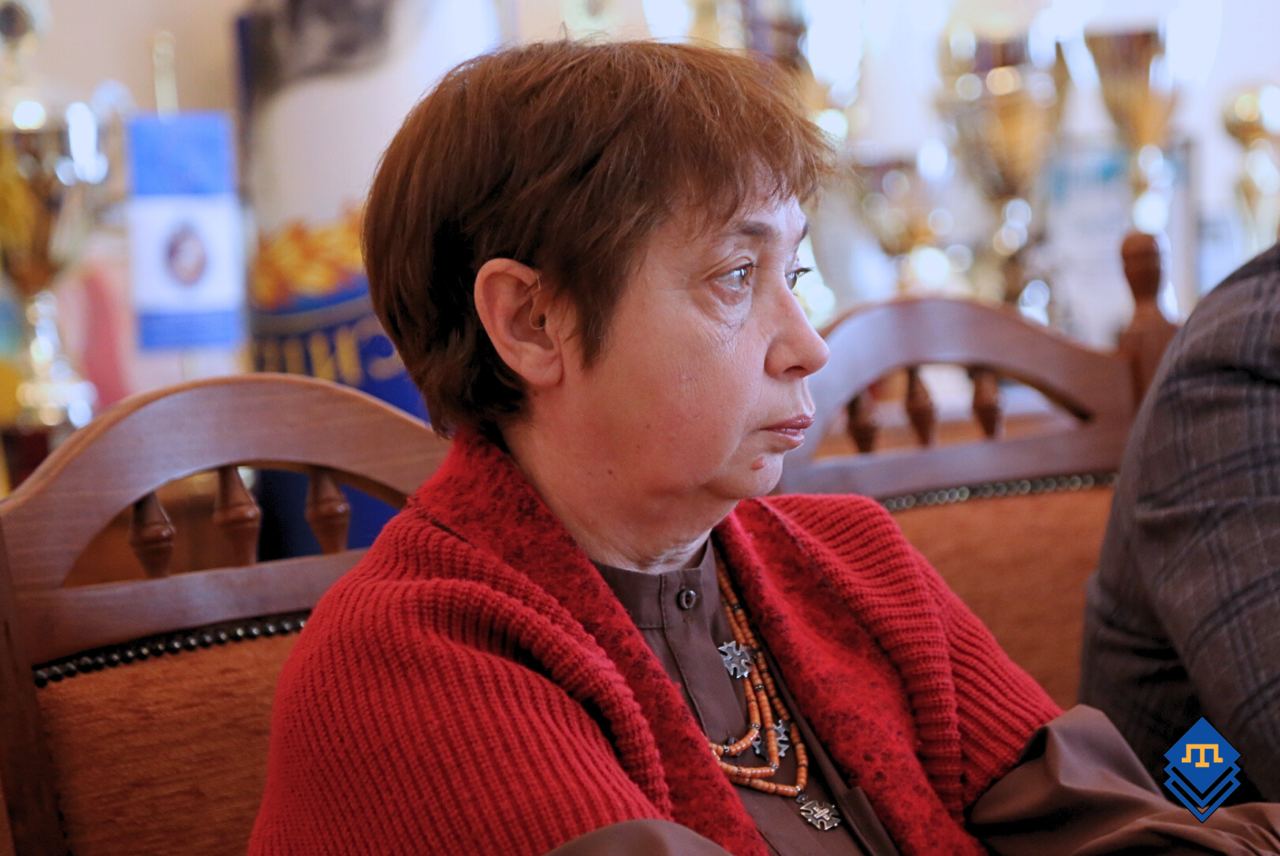
Within the framework of the round table, scientists, educators, human rights activists, civil servants, journalists, public figures and other interested persons had an opportunity to speak.In particular, Mohamad Farajalah, editor-in-chief of Ukraine in Arabic, Olga Mikhailova, Ph.D. in political science, leading researcher of the Public Processes Department of the National Institute for Strategic Studies, Ruslana Lotsman, Ph.D. in pedagogy, associate professor of the Faculty of Arts named after Anatoliy Avdeevsky at the Mykhailo Dragomanov Ukrainian State University, Ruslana Lotsman, Ph, Senior Researcher of the Institute of Political and Ethno-National Studies named after I.F. Kuras of the National Academy of Sciences of Ukraine Liudmyla Mazuka, Olga Volianiuk, Candidate of Political Science, Associate Professor of the Department of Political Sciences of the Mykhailo Dragomanov Ukrainian State University, Oleksiy Lyashenko, Candidate of Historical Sciences, researcher at the Institute of Political and Ethno-National Studies named after I.F. Kuras of the National Academy of Sciences of Ukraine, Tetiana Savchuk, Communications Manager of the CTRC, and others.
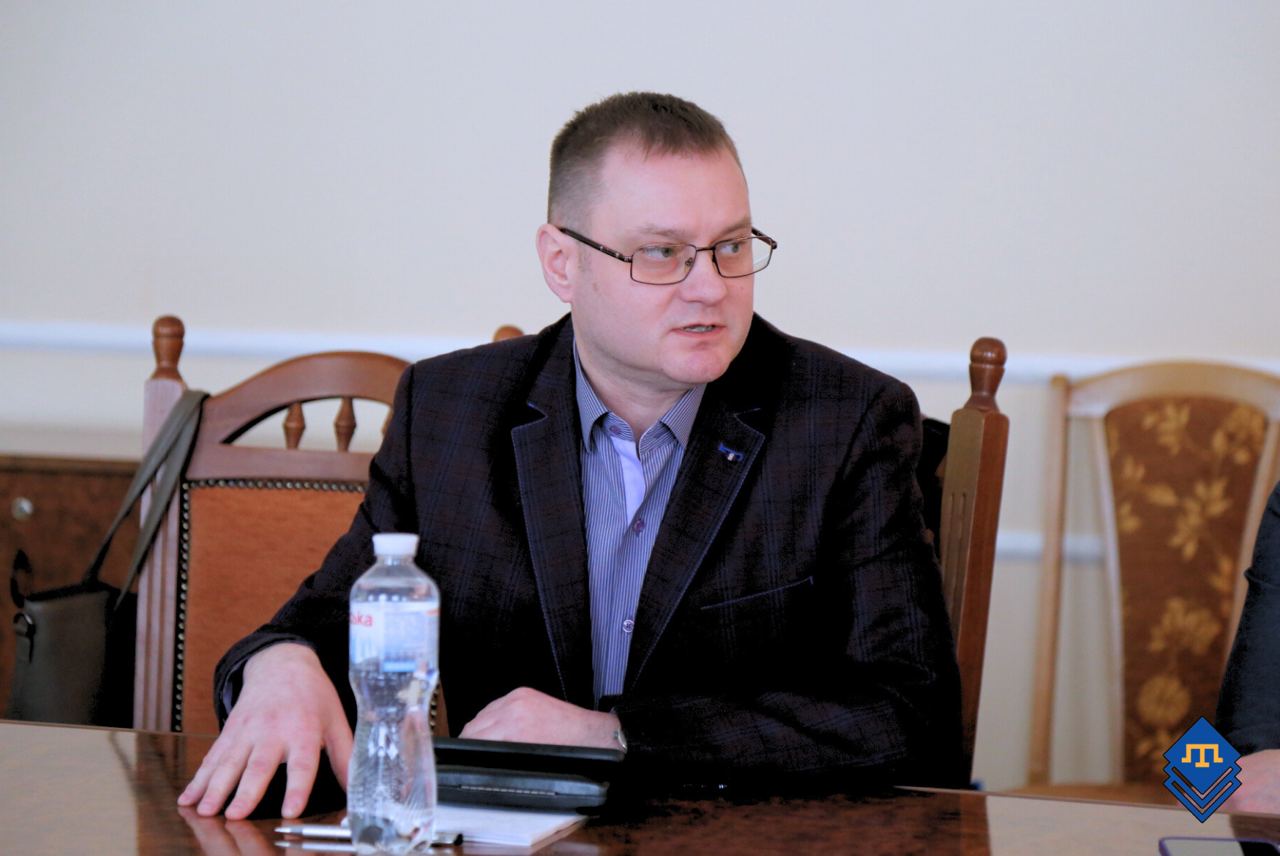
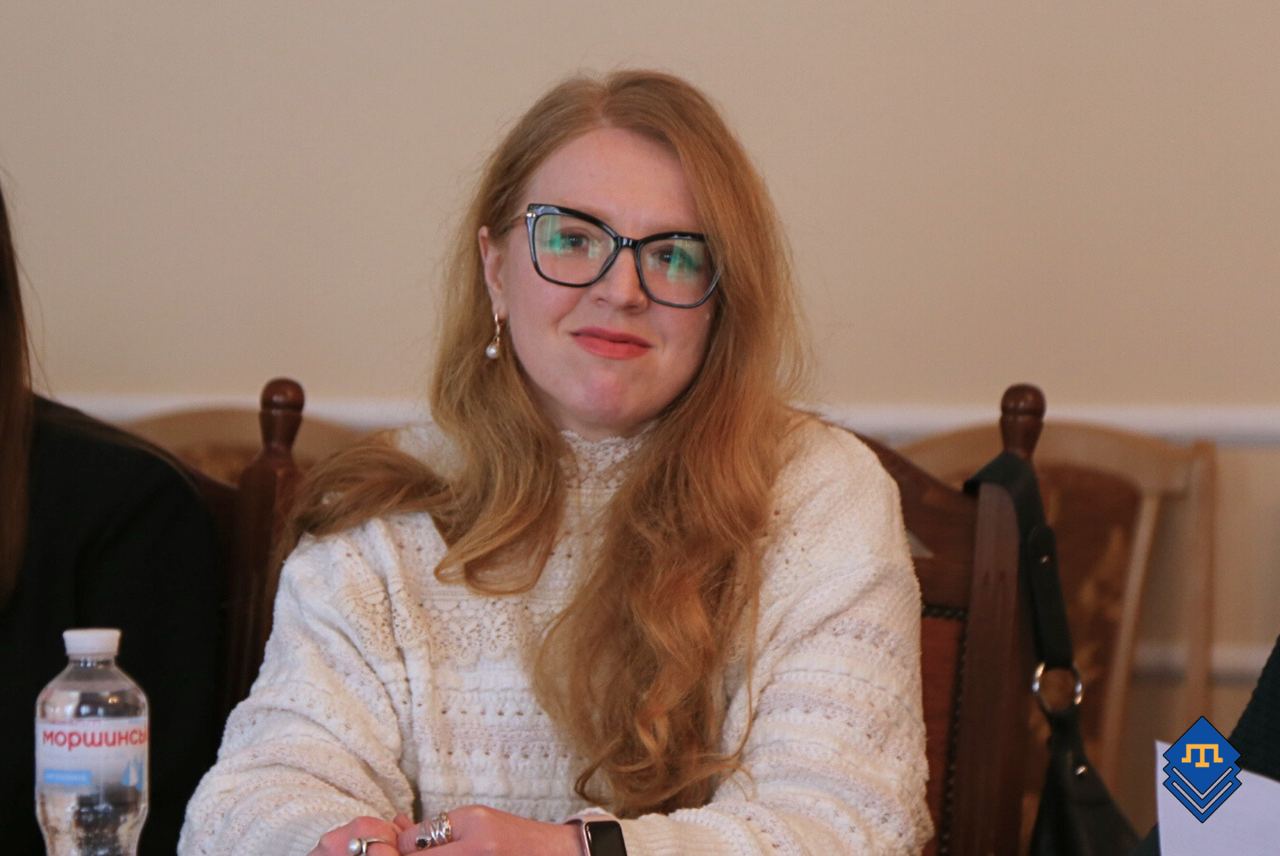
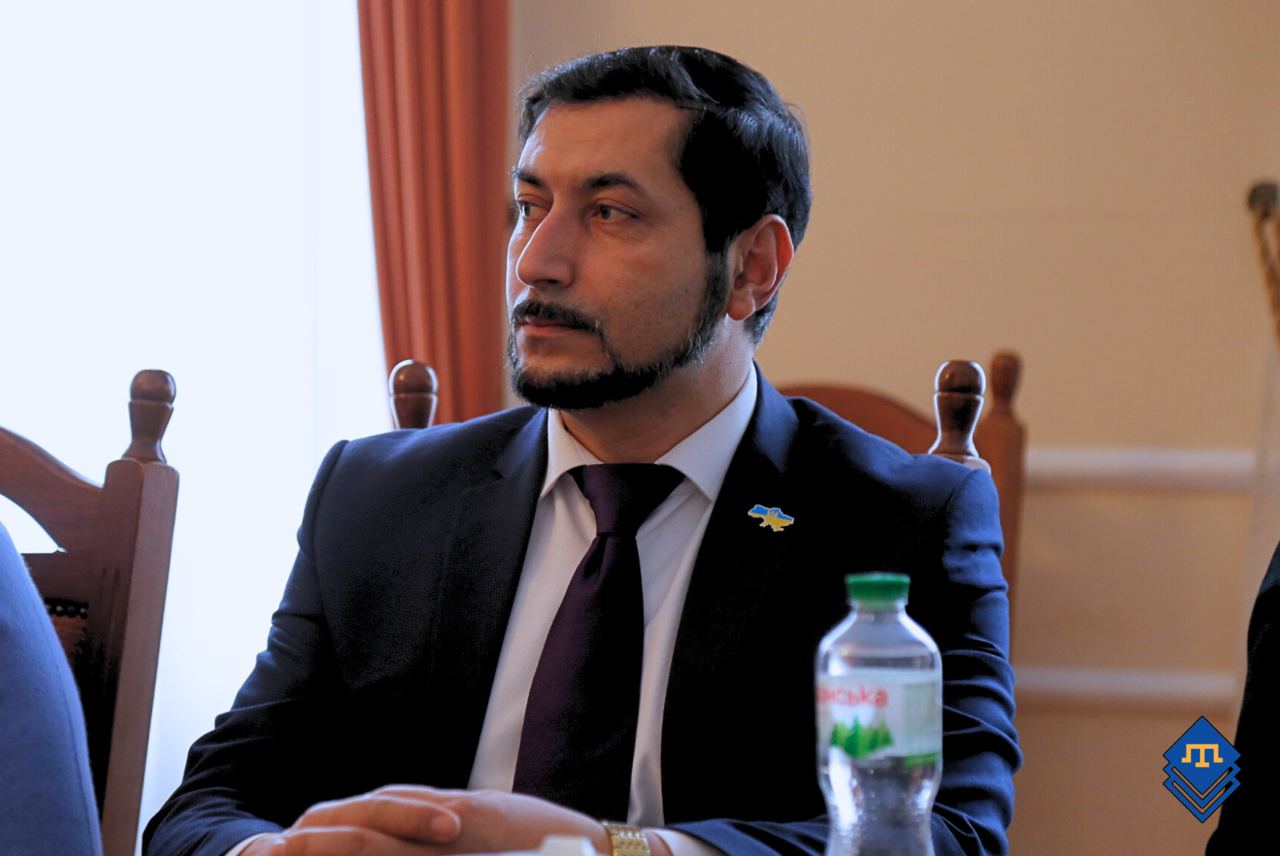
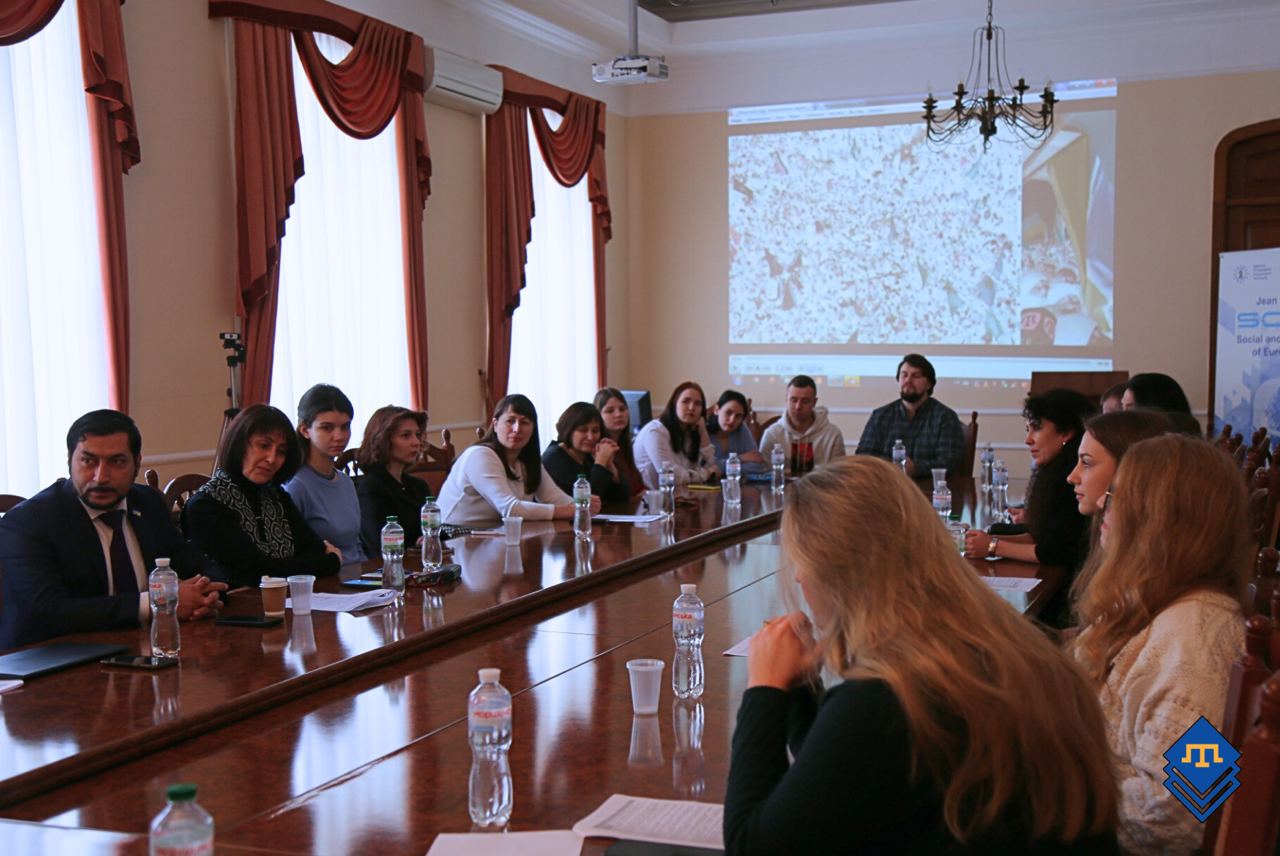
The panelists discussed issues directly related to the occupation of Crimea, the rally of February 26, 2014, human rights violations on the peninsula and noted that it is very important to analyze our previous experience and prepare for the reintegration of Crimea. In particular, there were reports on such topics as:
Occupation Internet media as a source of information about protest moods in Crimea;
Song Culture of Ukrainian Crimea in the Contemporary World Space;
Crimea in cognitive resistance to Russian postcolonial knowledge politics: what Ukrainian universities can do;
The role of the Crimean Tatar people in promoting Ukraine’s interests in the world during the war of liberation;
Factors in determining the status of Crimea after the deoccupation of the peninsula.
Tetiana Savchuk, Communications Manager of the CTRC, during her speech spoke about the role of information resistance in the deoccupation of Crimea using the example of the #LIBERATECRIMEA information campaign.“It is important to understand that information resistance in war is not only disinformation of the enemy, but also dissemination of truthful information and active struggle for the opinion of the public and the world community. The international information campaign #LIBERATECRIMEA is one of the examples of successful information resistance,” – she noted.
Savchuk demonstrated to the audience the products and activities that are realized within the framework of the #LIBERATECRIMEA information campaign: tests, infographics, posters, videos, reels, press conferences, concerts, exhibitions, board campaigns and etc.
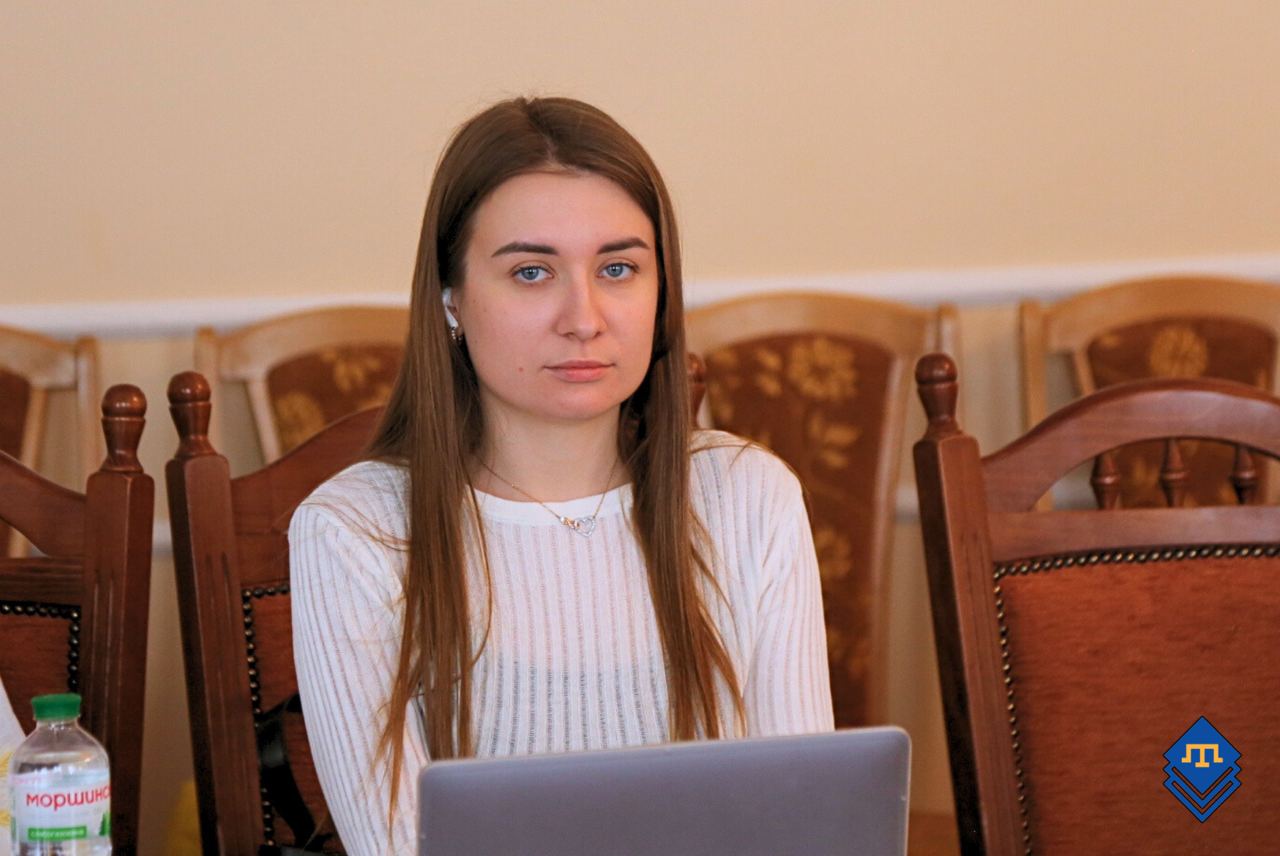 “Such a campaign is quite effective, which can be confirmed by figures. It has reached more than 55 million people over the entire period of its existence. That is how many people learned more about Crimea and joined its de-occupation. And our visual and informational materials are used at various events in Ukraine and abroad,” she summarized.
The round table will result in a collection of theses. Electronic version of scientific theses on a free topic can be sent until March 17. Details can be found in the information letter.