

Head of the Board of the Crimean Tatar Resource Center, Head of the Department of Legal Affairs and Foreign Affairs of the Mejlis of the Crimean Tatar people Eskender Bariiev, in an interview with the Fresh History Channel, said that pro-Ukrainian Crimeans are waiting for the Armed Forces of Ukraine, at the same time we are now seeing how muscovites begin to leave Crimea.
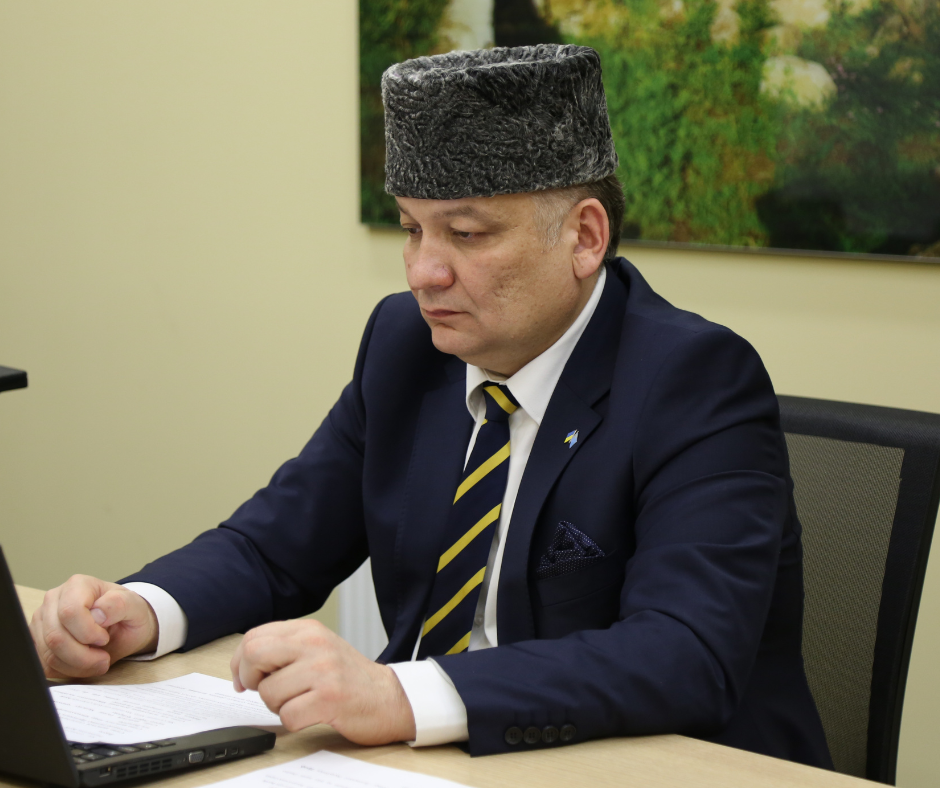
According to him, now the inhabitants of the Crimea can be divided into three broad categories. These are pro-Ukrainian Crimeans, which include both representatives of the Crimean Tatars and Ukrainians.
The second group is local collaborators, and the third is muscovites who illegally entered the peninsula for supposedly permanent residence.
Eskender Bariiev noted that during the period of occupation, the demographic situation on the peninsula has changed significantly, since the beginning of the occupation, about 60,000 people left its borders, later another part of the men left, fleeing from mobilization in the Russian army.
However, later some of them were forced to return for various reasons.
Also, over the years, from 600 thousand to 1 million Russian citizens entered the island. However, not only citizens of Russia, but also some Central Asian citizens entered illegally. As Eskender Bariiev explained, this was due to the large-scale construction projects launched by the Russian Federation in the occupied Crimea: the construction of the Crimean bridge, the Taurida highway, mass housing construction in Simferopol and the Simferopol region.
According to Eskender Bariiev, now all these muscovites and residents of Central Asia will have to leave the island, and it would be better to do this before the Ukrainian Armed Forces enter the territory of the peninsula.
“The explosions in Novofedorivka were the first wake-up call for them, the next one was the explosions on the Crimean bridge, but Russian propaganda tried to neutralize these sentiments”,- said Eskender Bariiev.
In particular, propagandists were banned from providing information about explosions in Crimea.