

On Thursday, June 30, Head of the Board of the Crimean Tatar Resource Center, Head of the Department of Legal Affairs and Foreign Affairs of the Mejlis of the Crimean Tatar People Eskender Bariiev took part in a meeting with the Director of the OSCE Office for Democratic Institutions and Human Rights (ODIHR) Matteo Menicci and the First Deputy Director Kateryna Riabyko.
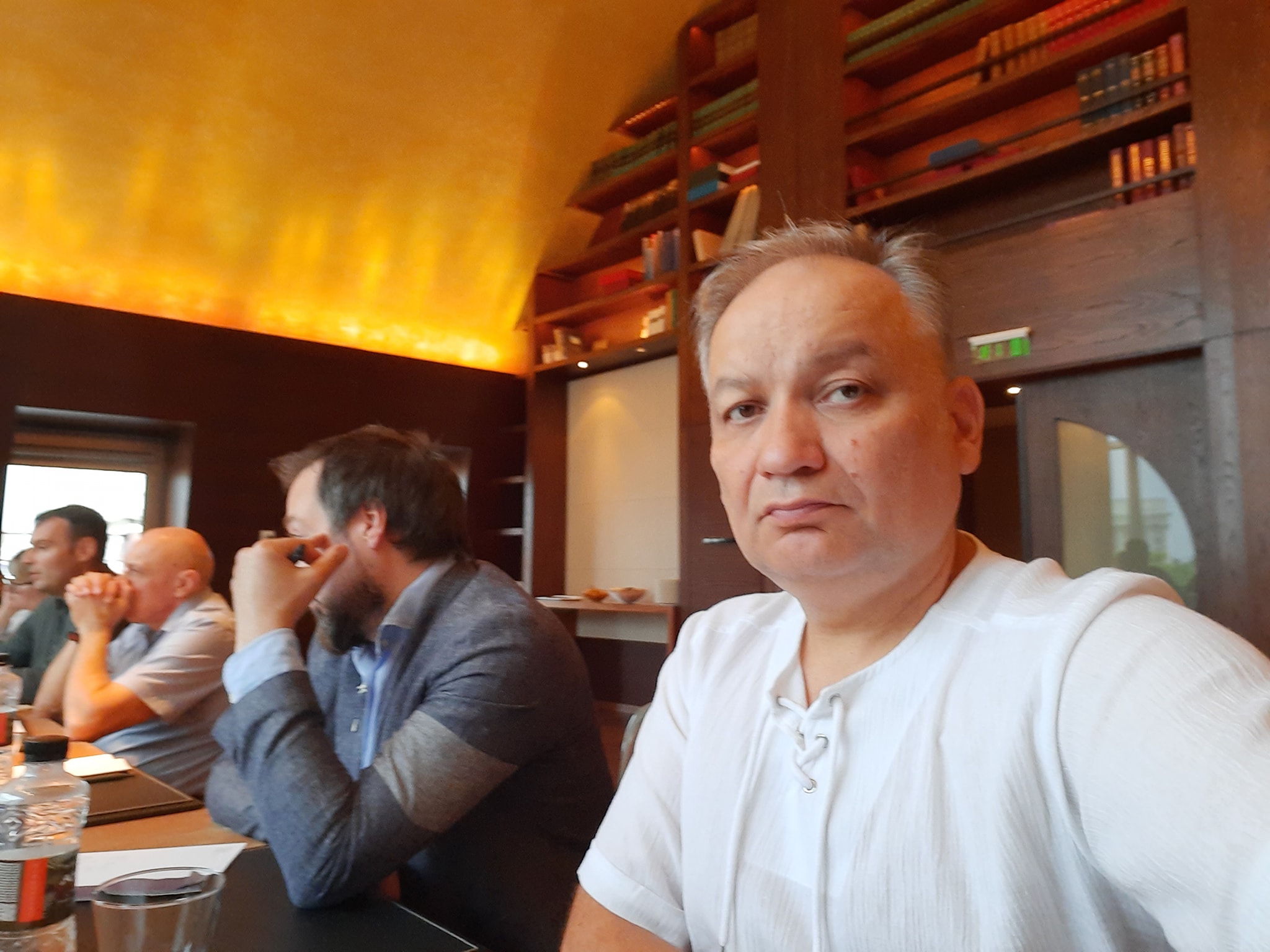
The meeting discussed the situation in Ukraine in the field of the human dimension of security, the work of the OSCE/ODIHR in response to this situation, as well as the activities and needs of civil society in Ukraine.
In his speech, Bariiev informed that the experts of the Crimean Tatar Resource Center developed a Questionnaire for documenting war crimes and human rights violations, which documents the crimes committed by the Russian military and security forces on the territory of Ukraine.
This questionnaire is designed for 4 target categories:
1. Victims and witnesses in the occupied territory;
2. Victims and witnesses – IDPs;
3. Victims and witnesses – refugees;
4. Victims and witnesses – deported to Russia.
This questionnaire was also sent to the competent state authorities of Ukraine.
“Based on the questionnaire, the experts of the Crimean Tatar Resource Center developed an electronic register of human rights violations and war crimes, which will be presented in the second half of July 2022”,- Bariiev said.
The Head of the Board of the CTRC noted that the CTRC, together with the VA UTC, developed security recommendations for chairmen, deputies of local councils, officials and activists in the case of occupation by the Russians. These recommendations are also used by the Association of Cities of Ukraine. In addition, he noted that recommendations had been developed on what should be done in case of forcible abduction by Russian occupiers. In this regard, Bariiev proposed to develop an OSCE mechanism for prompt response to violent abductions.
In addition, the expert outlined the problems of workers in education, culture, healthcare, as well as pensioners and people with disabilities (disabled people) in the newly occupied territories. Unfortunately, there are no recommendations on their actions from the Ukrainian authorities. People are confused and don't know what to do.
Special attention was paid to the situation of indigenous peoples in the context of Russia's full-scale military aggression against Ukraine, the problem of conscripting men to the Russian army in the occupied territories and the impact on the ecosystem in the occupied territories and cultural heritage.