

On Saturday, October 2, the Crimean Tatar Resource Center with the support of the Friedrich Naumann Foundation for Freedom in Ukraine launched the V Academy of Public Diplomacy of the Crimean Tatars. The training includes 5 sessions, during which qualified coaches and experts will tell the participants about the peculiarities and trends of world politics, human rights violations in Crimea, advocacy campaigns, international mechanisms for protecting human rights, the role of visual language and design in international campaigns, and more.
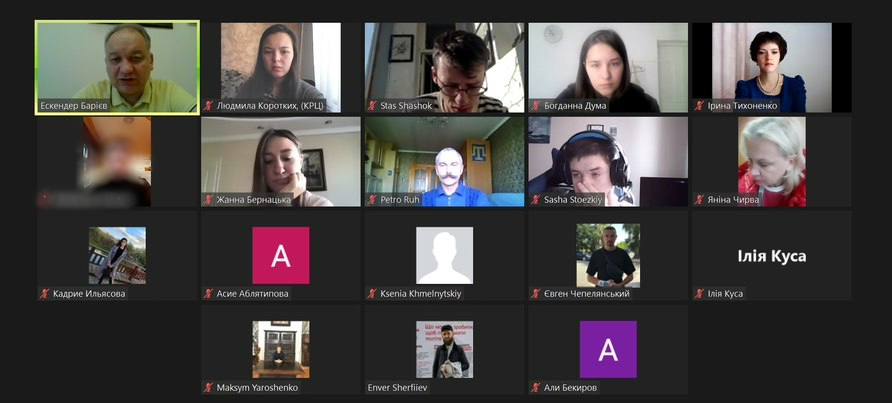
The I session of the V Academy of Public Diplomacy of the Crimean Tatars was opened by Eskender Bariiev, Head of the Board of the Crimean Tatar Resource Center, Head of the Department of Legal Affairs and Foreign Affairs of the Mejlis of the Crimean Tatar People, Iryna Starovytska, Project Manager of the Friedrich Naumann Foundation for Freedom in Ukraine and Belarus and Zarema Bariieva, Manager of the Crimean Tatar Resource Center.
Iryna Starovytska told the participants about the history, directions and peculiarities of the Friedrich Naumann Foundation's work, as well as about its activities in Ukraine.
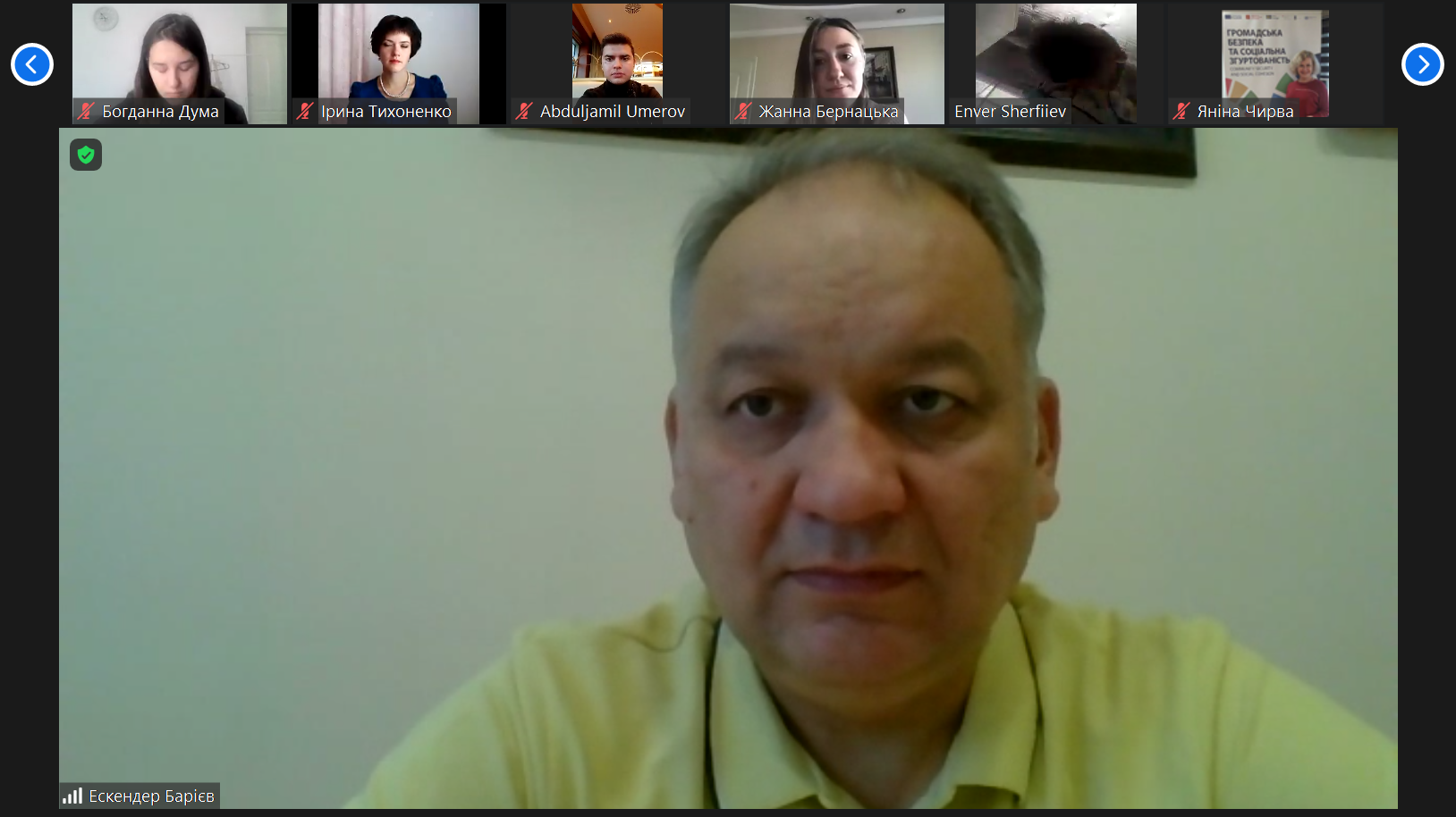
According to the organizers, within the framework of 5 sessions, under the guidance of qualified experts and specialists, activists will be trained to inform the international community about human rights violations in Crimea and repressions against the indigenous Crimean Tatar people.
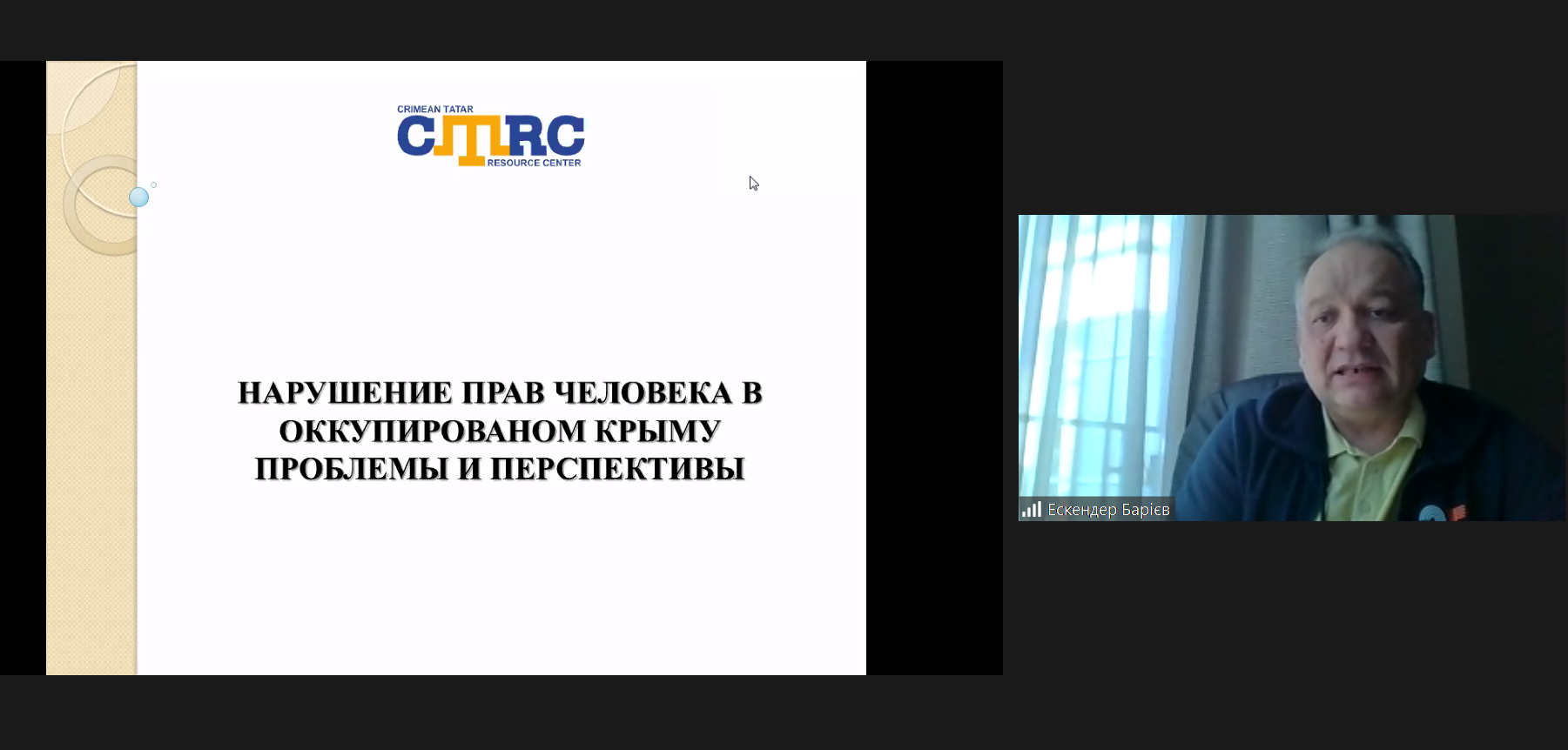
Eskender Bariiev told future people's diplomats about the situation in the occupied Crimea, in particular, about the problems and prospects of human rights violations, about the ban of the Mejlis of the Crimean Tatar people. According to the speaker, after the occupation of the peninsula, searches, detentions, interrogations and arrests have become a regular practice in Crimea, as evidenced by statistics systematically maintained by the CTRC.
Iliia Kusa, an expert on international politics at the analytical center Ukrainian Institute for the Future visually demonstrated and told the participants of the Academy about the peculiarities of the world order, international relations and the main processes in the world arena.
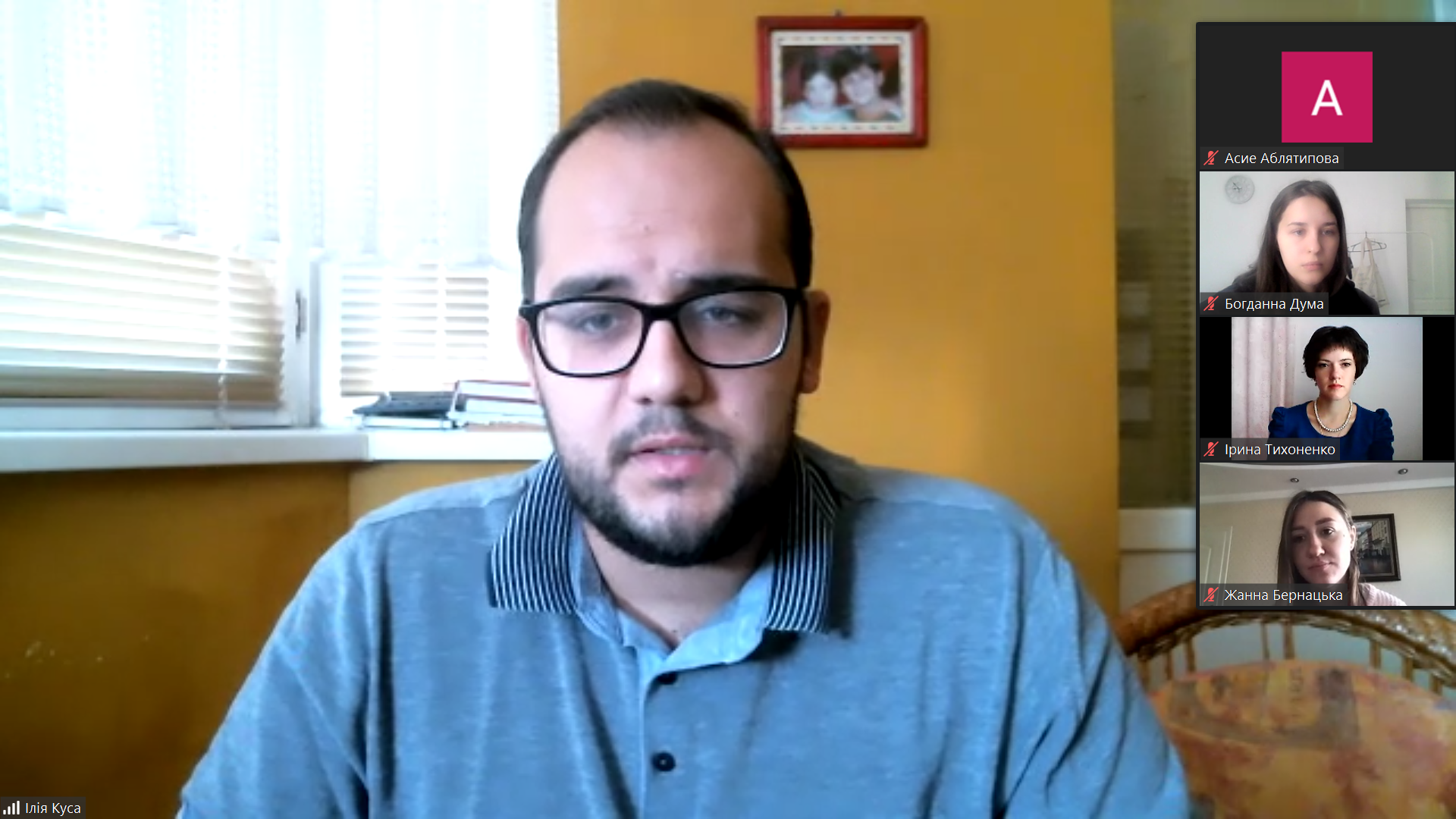
According to the expert, the modern world order was formed after the Second World War, but after the collapse of the Soviet Union, the balance of power changed somewhat.
“There are six elements on which the international system is based: global ideologies, global organizations, international norms and rules, balance of power, regional alliances and division of labor”,- said Kusa and spoke in detail about the characteristics of each element.