

The defendant in the so-called second Hizb ut-Tahrir case in Simferopol, Yashar Muedinov, was placed in a special block, as he refused to take part in the referendum on amendments to the Constitution of the Russian Federation. The Crimean Tatar Resource Center was informed about this by his wife Nailya.
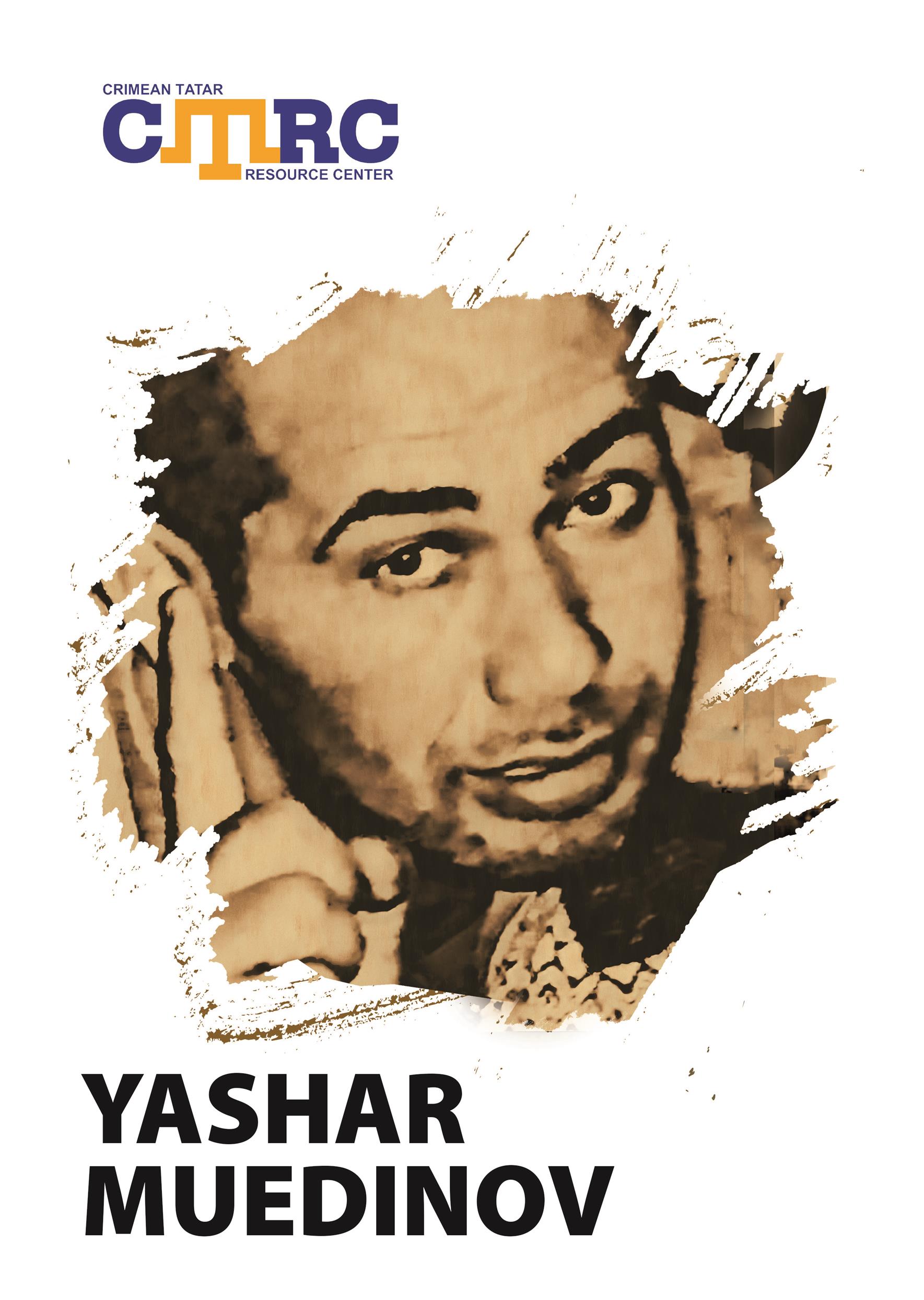
“The lawyer said that during the vote there were attempts to pressure them to take part in the vote, but since we do not participate in such events, he was then placed in a special block”,- she said.
In addition, the political prisoner has a big problem with his prosthesis – it broke. The lawyer and the husband wrote to the investigator and asked to provide him with a dentist-prosthetist in the pre-trial detention center, but so far they have received only a refusal.
“If health problems begin, he asks in letters to send him medications. In a pre-trial detention center, medications are not always provided. But in principle, the husband self-medicates, and it turns out”,- explained the spouse.
We remind that on March 27, 2019, Russian security forces in the occupied Crimea carried out mass searches in 26 Crimean Tatars' dwellings. Literature was seized from some activists, which, according to Crimean Solidarity, the security forces planted themselves. In addition to books and brochures, people were confiscated phones, tablets, laptops, passports. The servicemen behaved rudely. It is reported that they used physical force against detainees and entered the houses in shoes. Lawyers who arrived at the site of the searches were not allowed to contact the detainees. According to the results of the searches, 20 people were suspected of involvement in the Hizb ut-Tahrir organization, which is banned in the Russian Federation. On March 28, three more Crimean Tatar activists were detained, in whose dwellings searches were carried out in their absence. On March 27-28, the occupation court arrested all 23 detainees after searches. They chose a preventive measure in the form of detention. Subsequently, all the individuals involved in this so-called case were repeatedly extended the terms of their arrest.