

Ten years ago, on 16 March 2014, the Russian occupiers held a so-called “referendum” at gunpoint in Crimea on the status of the peninsula, according to the results of which Russia annexed Crimea.
Hundreds of thousands of people of different nationalities boycotted the referendum at the call of Mejlis of the Crimean Tatar people. All so-called polling stations in places of compact residence of Crimean Tatars were completely empty, and in some settlements were closed altogether.
The Crimean Tatars, the indigenous people of Crimea, by boycotting the referendum, clearly stated their position and their right to self-determination in accordance with international law. The UN General Assembly recognised the “referendum” as illegal. The European Union, the US and several other countries have also recognised that the referendum is invalid.
“My position was fundamental: I said that the people who have been waging a multi-year non-violent struggle, relying on international law, can in no way support a country that violates the sovereignty of an entire state and violates international law,” – Eskender Bariiev, Chairman of the Board of the
Crimean Tatar Resource Centre, a member of Mejlis of the Crimean Tatar people, recalled those days.
Bariiev notes that the actions of the representative body of the Crimean Tatars and the entire Crimean Tatar people in those days were very important and significant.
Thus, on 15 March 2014, the Mejlis of the Crimean Tatar people on the initiative of Bariiev adopted an appeal to the Verkhovna Rada of Ukraine and the entire Ukrainian people.
And thanks to this appeal, on 20 March 2014, the Verkhovna Rada of Ukraine recognised the Crimean Tatars as the indigenous people of Crimea, and the Mejlis and Kurultay of the Crimean Tatars as representative bodies of the people.
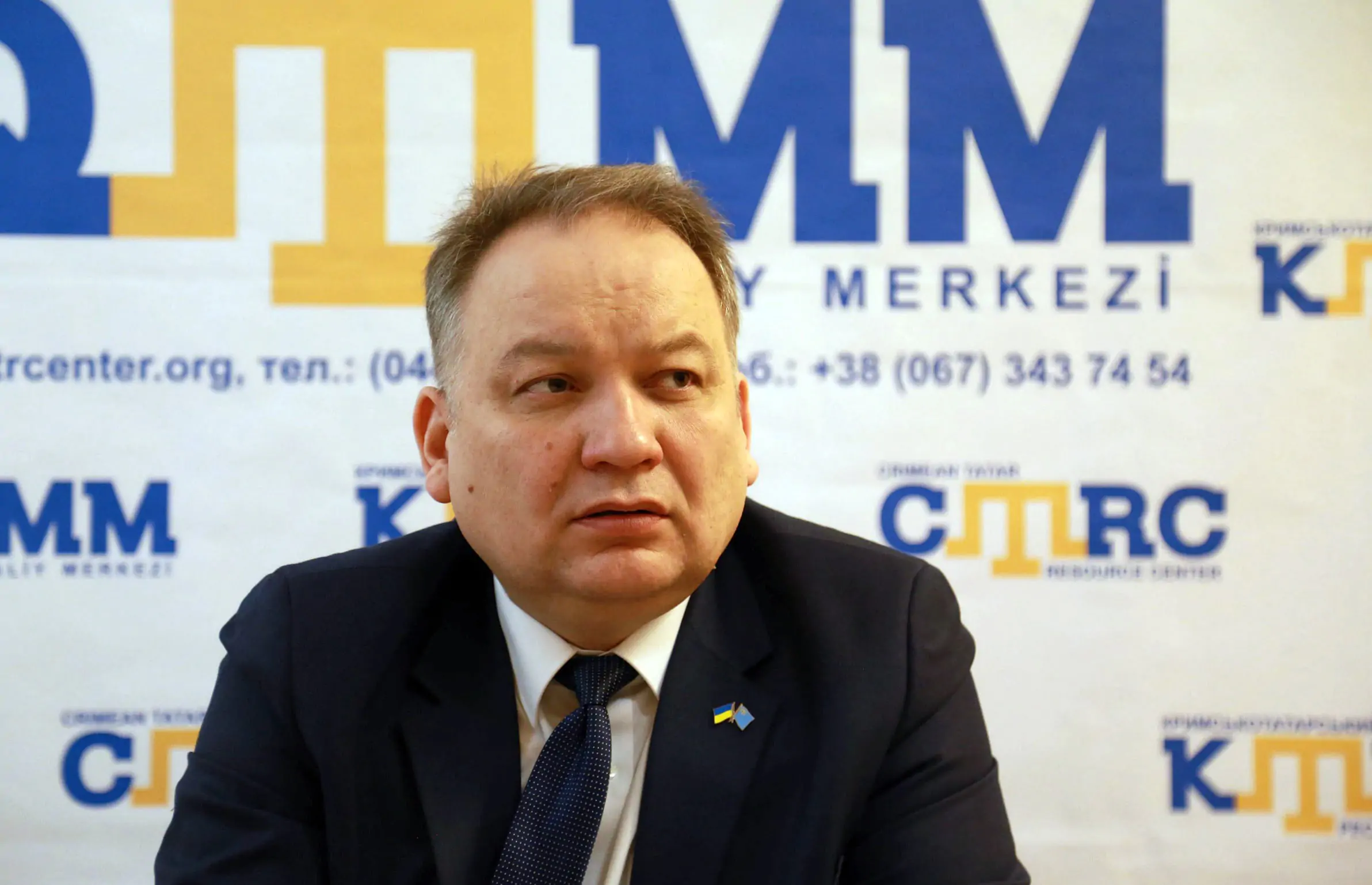
“The fact that the Mejlis of the Crimean Tatar people and all Crimean Tatars self-determined by their own application that they support the sovereignty of the Ukrainian state is an important and necessary tool throughout these 10 years of struggle,” Bariiev notes.
“On March 16б 2014, I was personally with my fellow brother Anatoliy Kovalskiy in the basement of the military recruitment office in Simferopol, where we were forcibly held by Russian agents and collaborators.
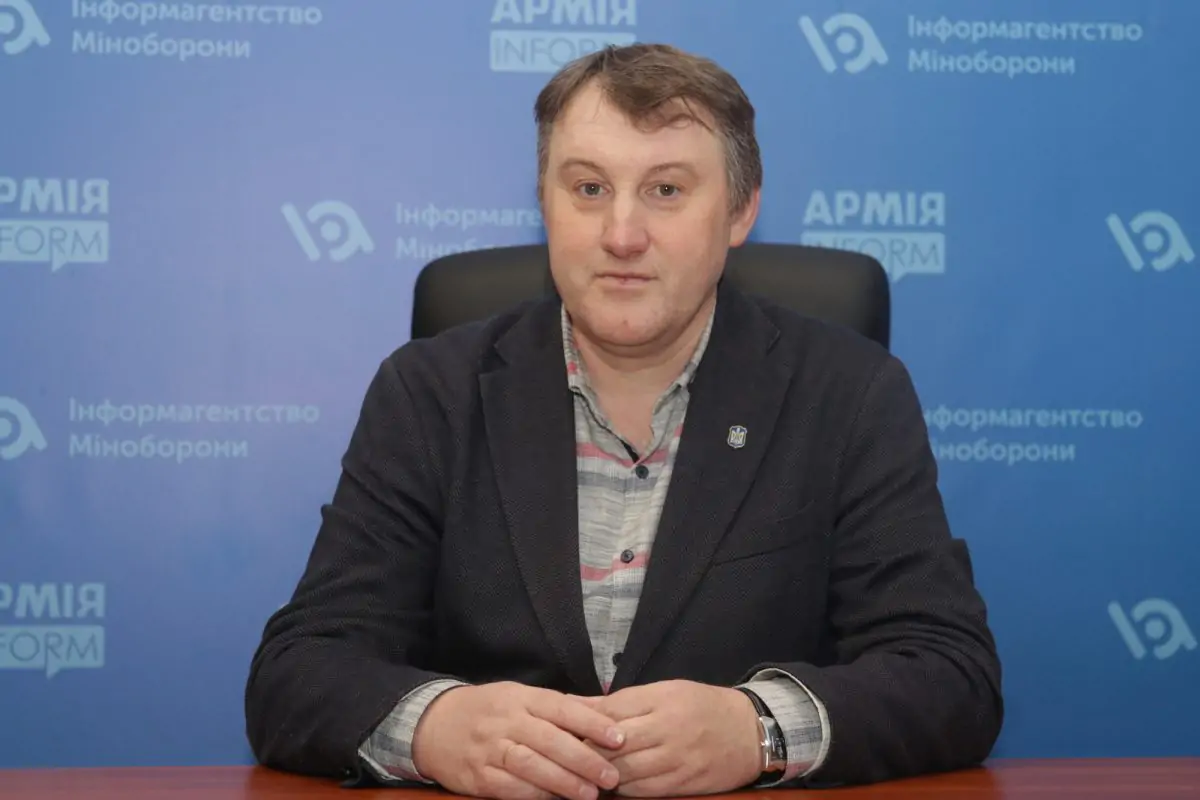
On the night from 16 to 17 we were mocked as prisoners by Crimean Berkut officers, who betrayed the oath of Ukraine and went over to the side of the enemy, the aggressor country rf”, – says the representative of the Regional Council of Ukrainians of Crimea, coordinator of the group “Humanitarian Policy” of the expert network of”Crimean Platform” Andriy Shchekun.
Andriy Shchekun believes that the consequences of that day should be analysed and conclusions should be drawn. It is important to document all the anti-state actions of that day.
This should be done professionally to provide a legal framework field with facts for future consideration of the case in the International Tribunal, which should be formed and consider the cases of Russian crimes on the territory of sovereign independent Ukraine.
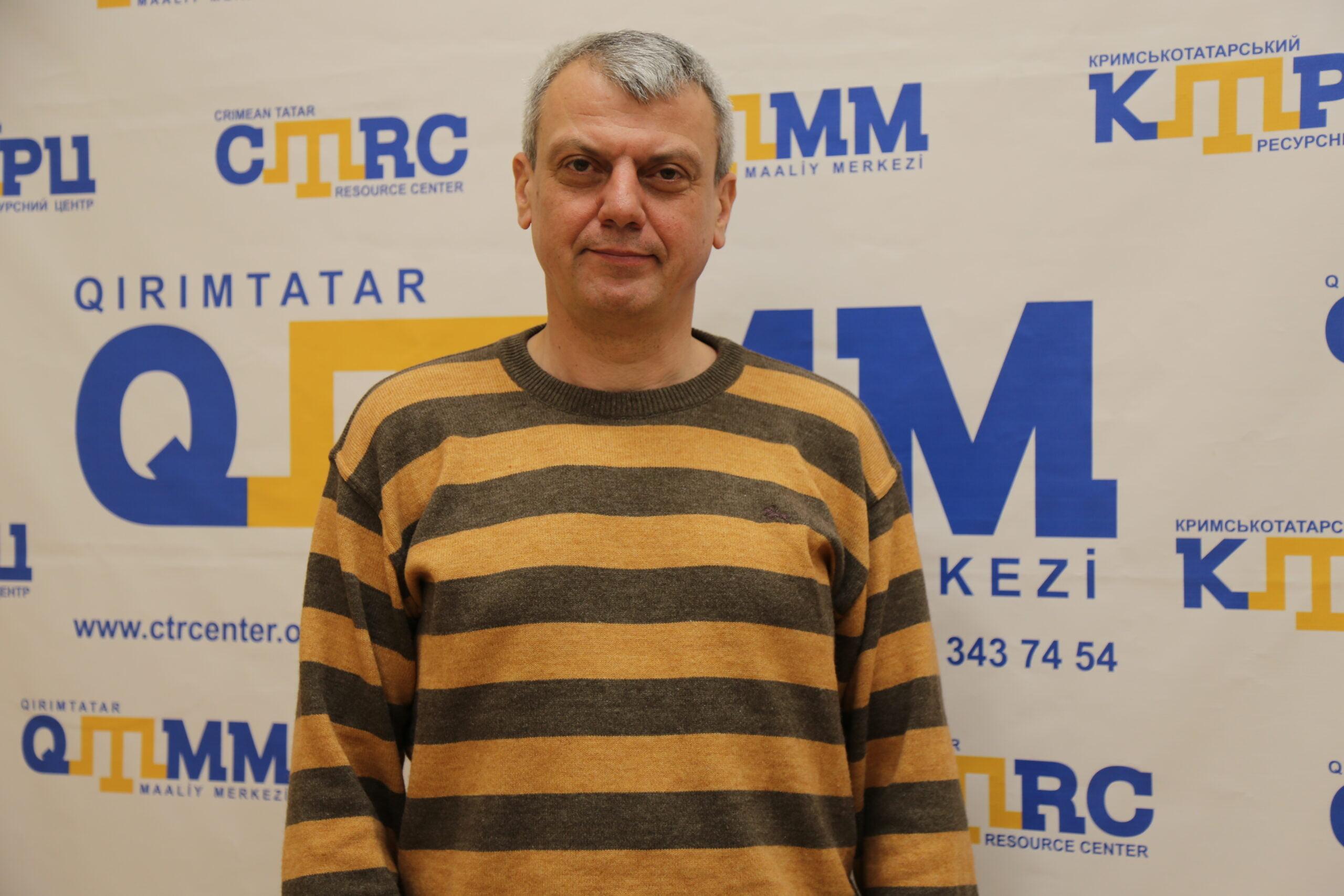
“The legal insignificance of this “referendum” was immediately clear to everyone who had read the Constitution of the ARC and the Constitution of Ukraine at least once. Indeed, paragraph 7 of part 1 of Article 18 of the Constitution of the ARC provides for the possibility of appointing a local (republican) referendum, but only on issues attributed to the powers of the Autonomy, but, as you know, the issues of changing the territory of Ukraine in accordance with Article 73 of the Constitution of Ukraine are decided exclusively by an all-Ukrainian referendum”, – explains Volodymyr Lyashenko, a lawyer and representative of the National Council of Ukraine in Crimea and Sevastopol.
The expert stresses that even then the occupiers understood that they did not have proper support for their plan among the population of Crimea: that is why the date of the “referendum” was postponed several times from May 25 to March 16. But even this did not help them much: according to the Russian security services, no more than a third of the population of the Crimean peninsula took part in the farce called “all-Crimean referendum”, although the occupiers are constantly trying to spread lies about the participation of “the overwhelming majority of the population – more than 80%”.
“The majority of UN members supported Ukraine in its assessment of this “referendum” and on March 27, 2014 adopted UN General Assembly resolution 68/262 on non-recognition of the legitimacy of this “referendum” and supported the territorial integrity of Ukraine within internationally recognised borders. In essence, they confirmed: Crimea is Ukraine!” – he notes.
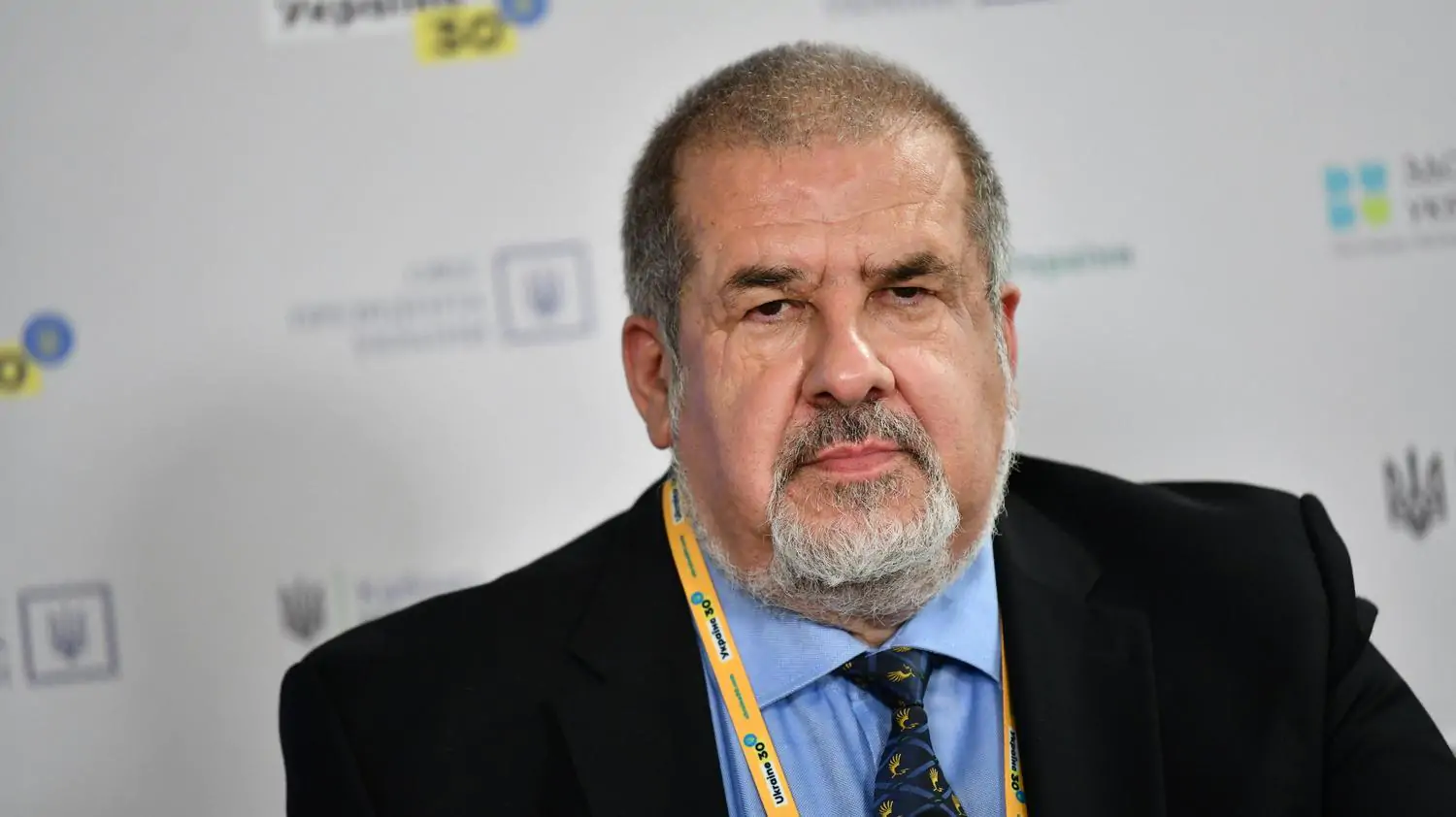
“It is ridiculous to claim, as Kremlin sitters like to do, that, say, in 2014 Crimea made ‘its historical choice in favour of Russia’.” Despite the fact that pro-Russian sentiments have always been noticeable in Crimea (well, how could there be without them, since after the expulsion of the indigenous Crimean Tatar people in 1944, Moscow repopulated the peninsula with immigrants from the internal regions of Russia), the number of supporters of the Russian status of Crimea at the end of 2013 among the residents of Crimea did not exceed 30-34%,” stresses Refat Chubarov, Chairman of Mejlis of the Crimean Tatar People.
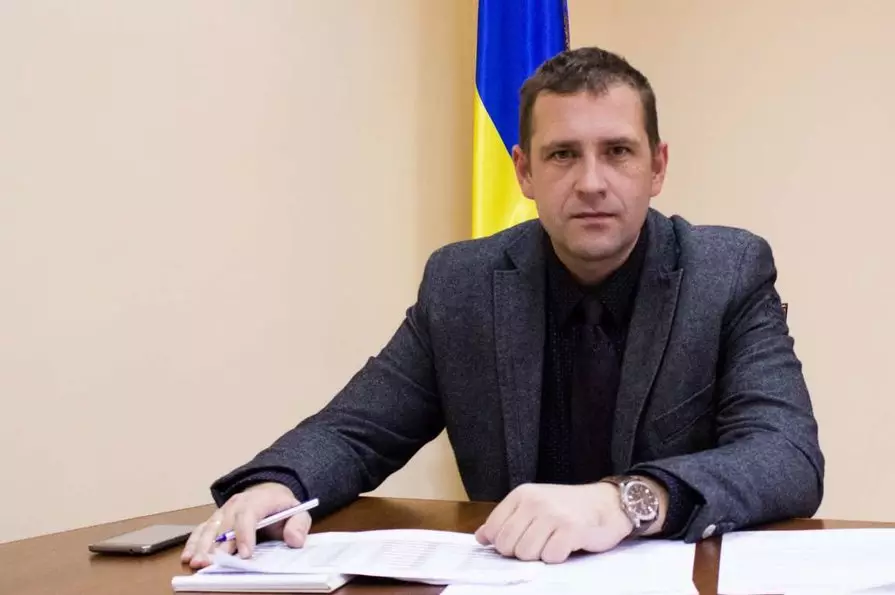
International lawyer, former representative of the President of Ukraine in the Autonomous Republic of Crimea Borys Babin notes that the fakes of the aggressor with the criminal “Crimean referendum” of 2014 have never been perceived by the states and peoples of the world as having anything to do with the will or democracy.
“The repetition of this farce in measuring the same criminal ‘referendums’ during Russia’s attempted annexation of four mainland regions of Ukraine in 2022 directly demonstrates that the Kremlin’s aggression, Nazism and imperialism can and must be stopped without delay,” – he adds.
The tenth anniversary of the occupation of Crimea and the second year of Russia’s full-scale war against Ukraine have already passed. Now the Russians are once again holding their illegal “presidential elections” in the occupied territories, the results of which are not recognised by any democratic country.
The Crimean Tatar Resource Centre calls on the international community and international organisations to increase pressure on the Russian Federation and the occupation authorities of Crimea in order to de-occupy the peninsula and all territories of Ukraine.